MaxPro Medical
MaxPro Medical
MaxPro Medical
Clinical-grade patient monitors, specialized analysis systems, and medical-grade instruments engineered for global healthcare integration.
Exploring the commercial growth, technical barriers, and macroeconomic drivers in urodynamic diagnostics.
The global urodynamic diagnostic sector has experienced a profound structural paradigm shift. No longer confined to invasive clinical urodynamic suites, the Urinary Flow Meter (Uroflowmeter) has evolved into a vital frontline diagnostic instrument. According to recent macroeconomic healthcare market reports, the global market for urinary flow meters is projected to witness a CAGR of over 6.8% from 2024 to 2030, driven primarily by an aging global demographic, a significant surge in Lower Urinary Tract Symptoms (LUTS), Benign Prostatic Hyperplasia (BPH) diagnostics, and a growing emphasis on non-invasive patient screening mechanisms.
Clinical Utility Profile: Uroflowmetry acts as the primary screening gateway for assessing lower urinary tract function. By measuring parameters such as maximum flow rate (Qmax), average flow rate (Qavg), voided volume, and flow time, clinicians can differentiate between obstructive voiding patterns (e.g., prostatic obstruction, urethral stricture) and dynamic dysfunction (e.g., detrusor underactivity).
As healthcare systems transition toward high-throughput, outpatient-focused care models, the technological demands placed upon urinary flow meter manufacturers have magnified. Distributors and medical facility procurement officers are actively transitioning away from isolated, analog diagnostic machinery. Modern procurement frameworks demand complete compliance with international medical device standards—including ISO 13485, IEC 60601-1 (medical electrical equipment safety), and digital interfaces compatible with global hospital Information Systems (HIS) and Electronic Health Records (EHR).
Understanding the engineering differences that dictate clinical precision and device longevity.
Utilizes ultra-precise load cell strain gauges to record the cumulative weight of voided fluid over time. It represents the current global gold standard for clinical stability, minimal sensor drift, and reliable cost-to-performance metrics in institutional environments.
Measures the transit time difference of high-frequency acoustic waves traversing the liquid column. While highly hygienic due to non-contact mechanics, it introduces software processing complexity to filter out micro-turbulences and bubbles.
Utilizes an electric motor driving a rotating disc. When fluid impacts the disc, it creates resistance, altering the motor current. The current variation is mapped to volumetric flow. It is highly responsive but prone to higher mechanical wear.
| Evaluation Parameter | Weight-Based Load Cell | Ultrasonic Sensor Route | Rotating Disc Technology |
|---|---|---|---|
| Measurement Resolution | ±0.1 mL or ±0.1 mL/s | ±0.5 mL/s | ±0.5 mL/s |
| Sterilization Profile | High (Detachable plastic funnel/beaker) | Maximum (Non-contact acoustic tube) | Moderate (Demands thorough rotor cleaning) |
| Calibrational Drift | Extremely Low (<1% per annum) | Low-to-Medium (Depends on dust/scaling) | Medium (Requires frequent physical recalibration) |
| Recommended Context | Hospitals & Clinical Trials | Outpatient Clinic / Home Care | Legacy Clinical Systems |
How premium global distributors screen urinary flow meter suppliers for strict medical compliance and commercial longevity.
When engineering a procurement panel or curating the Top 10 Urinary Flow Meter Manufacturers & Suppliers list, critical medical device purchasers do not merely look at the unit price. They employ a multidimensional, scientific verification framework that aligns with the Google Search Quality Rater Guidelines criteria for high E-E-A-T (Experience, Expertise, Authoritativeness, and Trustworthiness). The evaluation protocol is broken down into five distinct core capabilities:
Quantified engineering milestones defining premium uroflowmetry and chronic care devices.
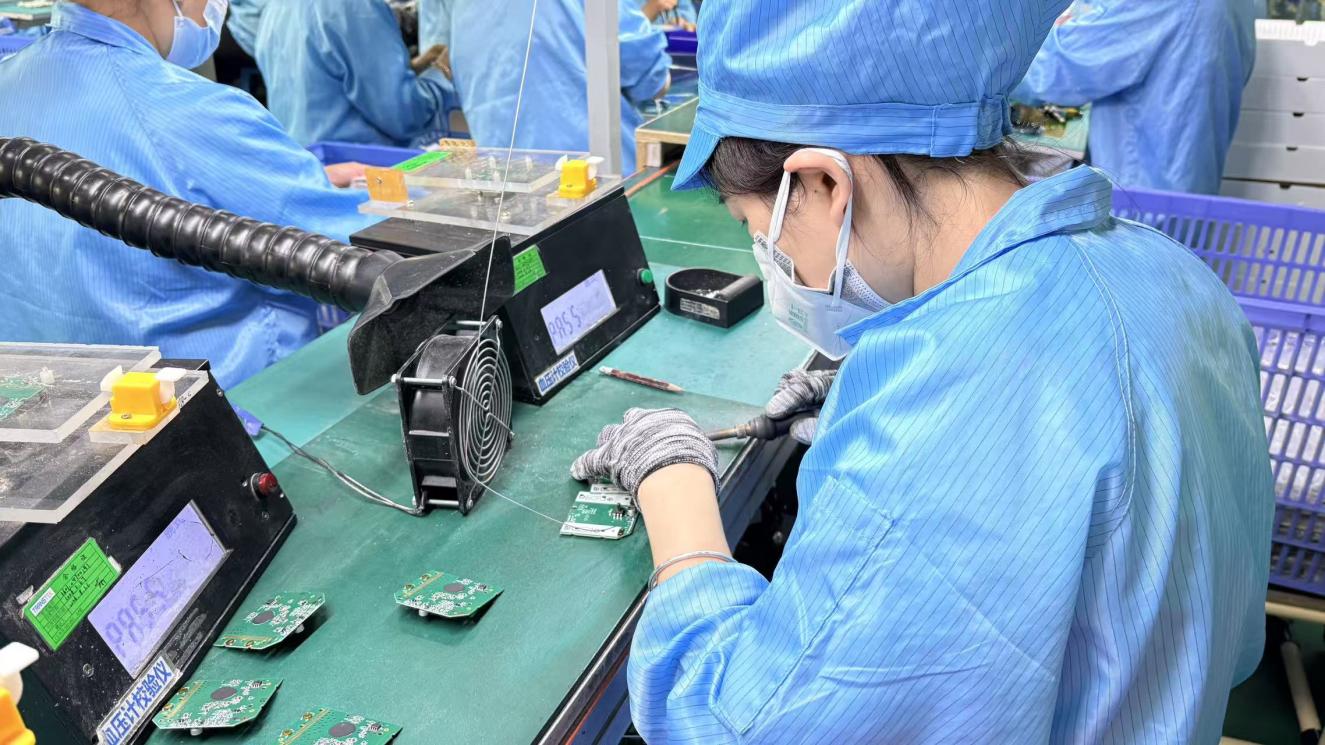
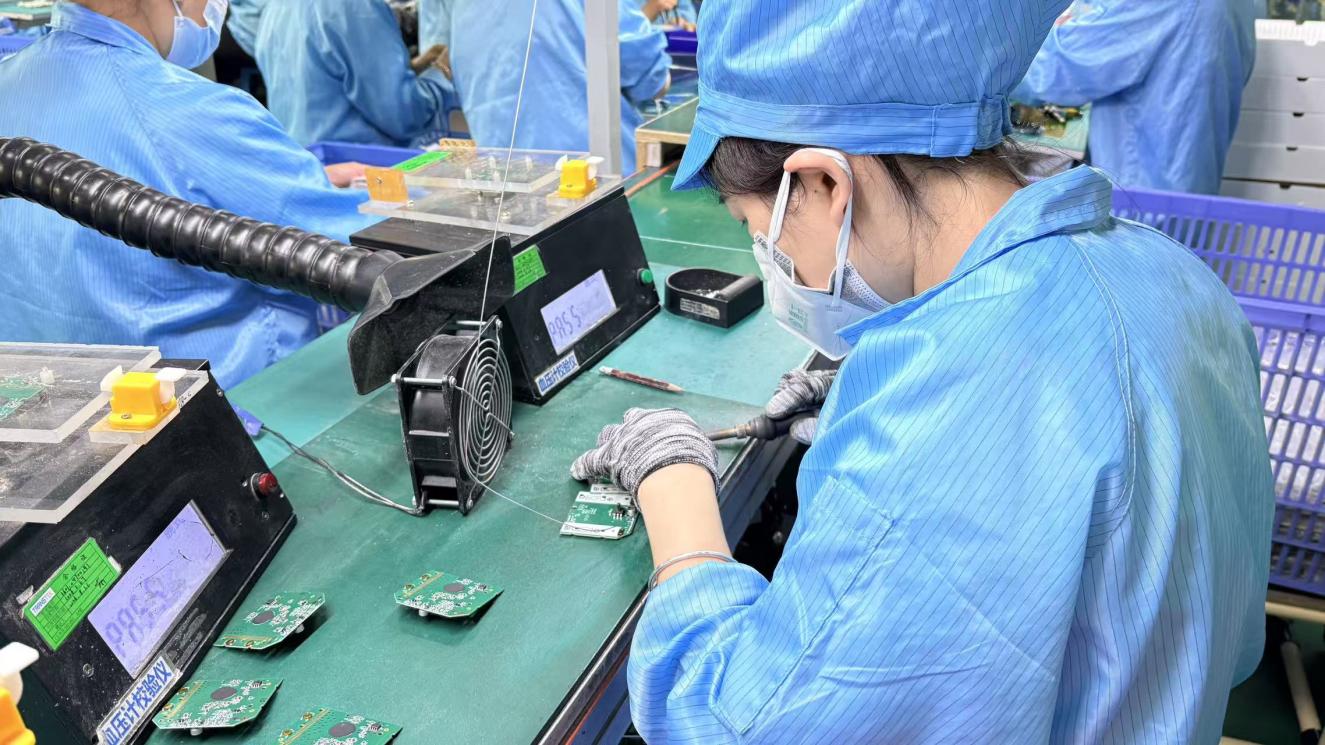
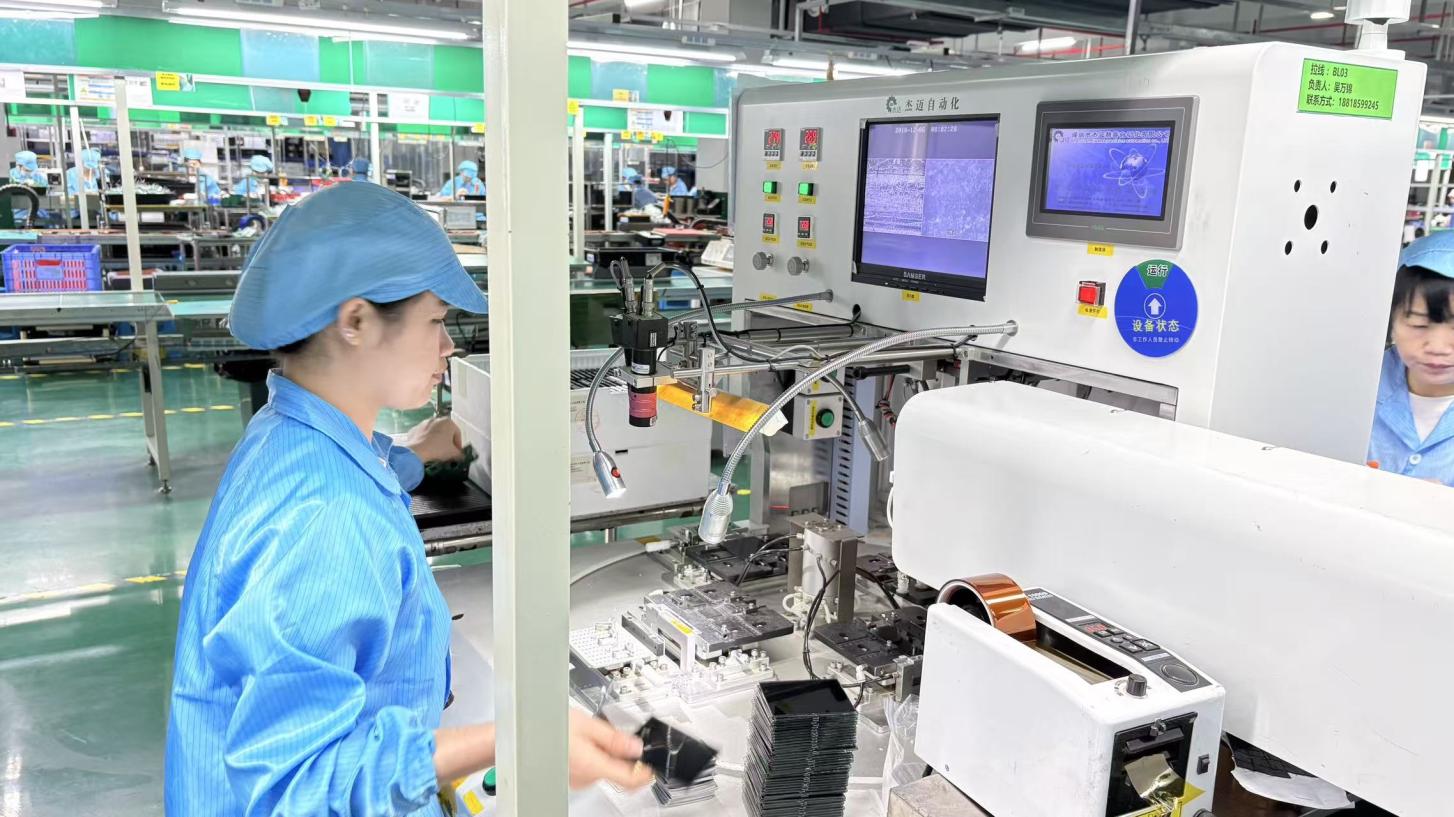
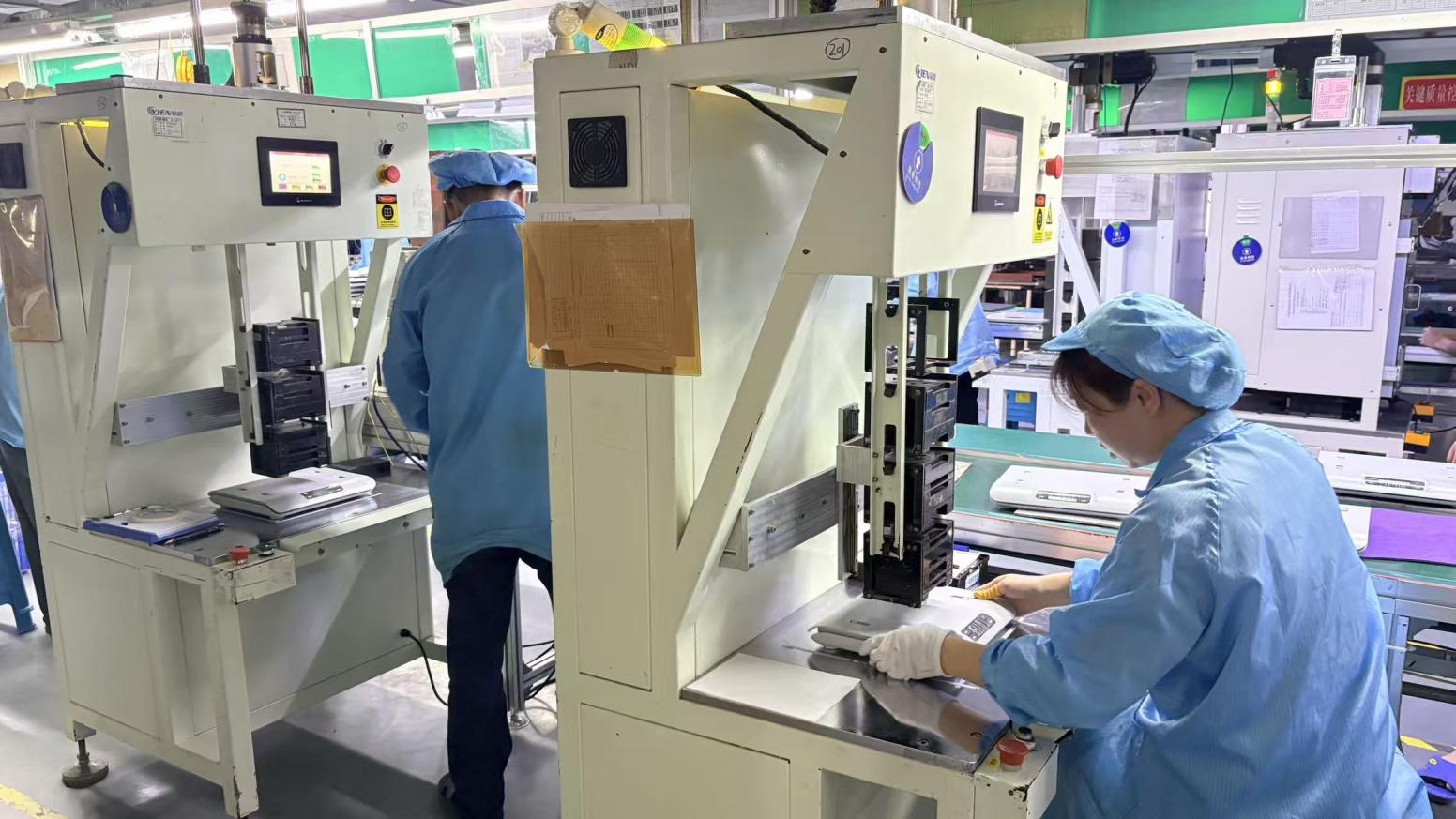
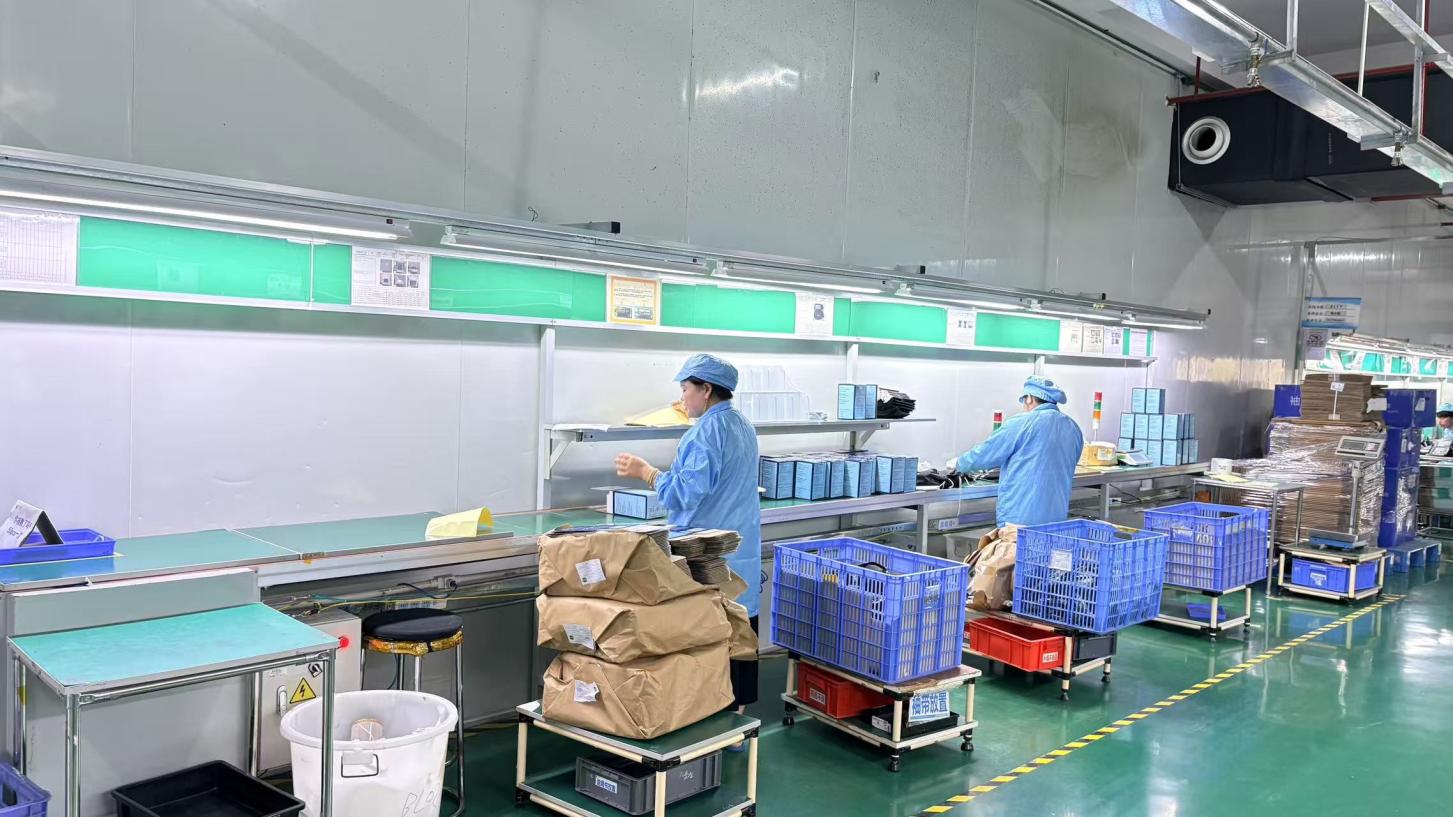
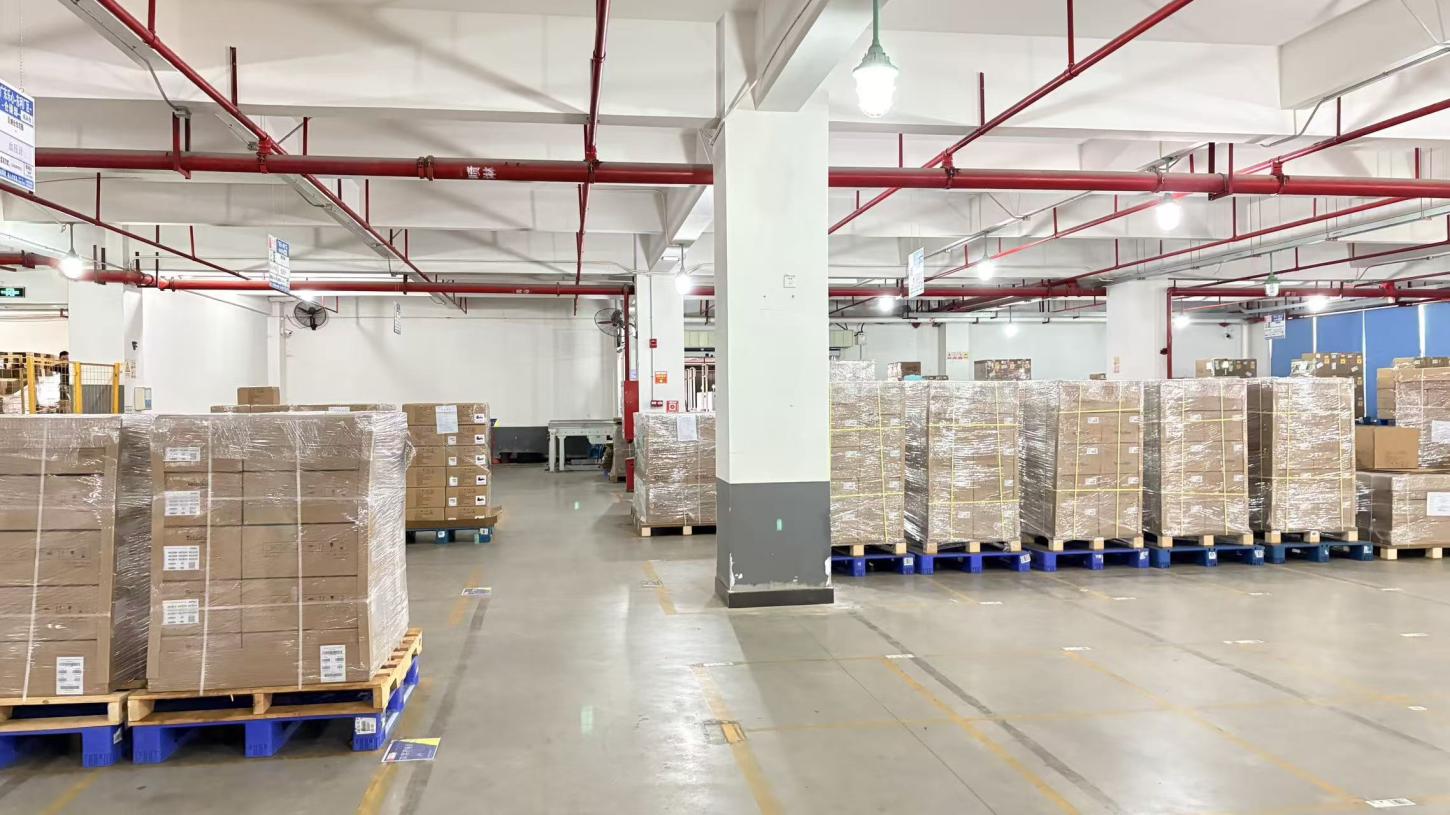
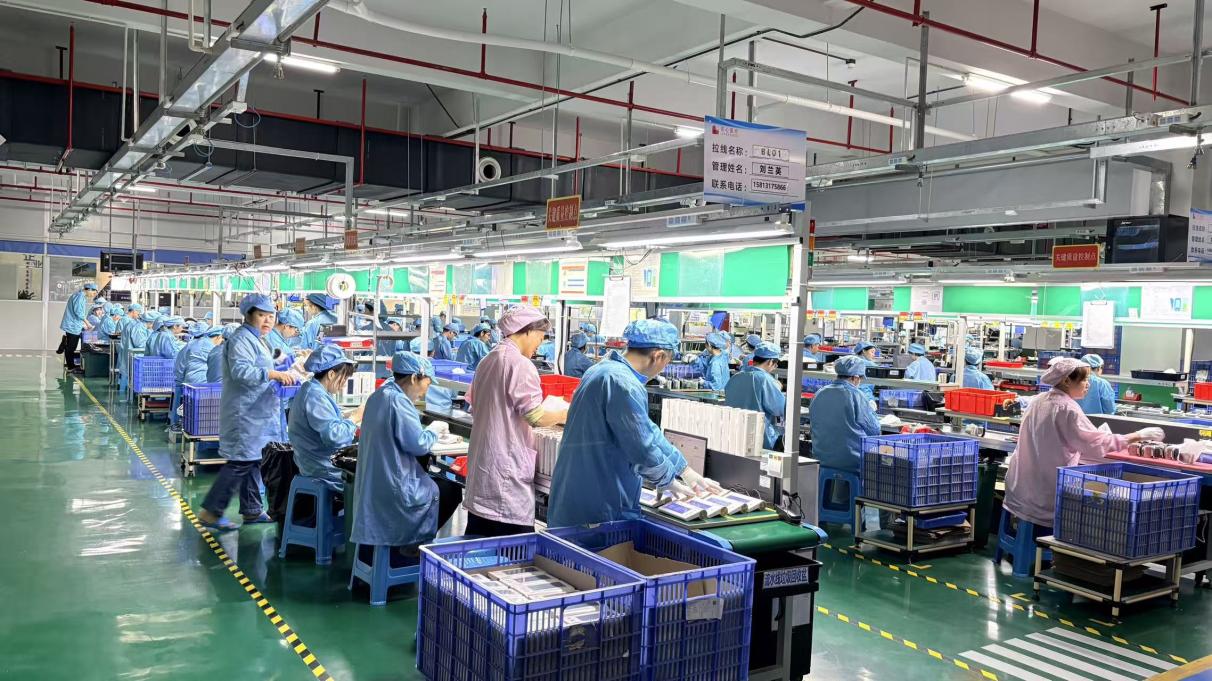
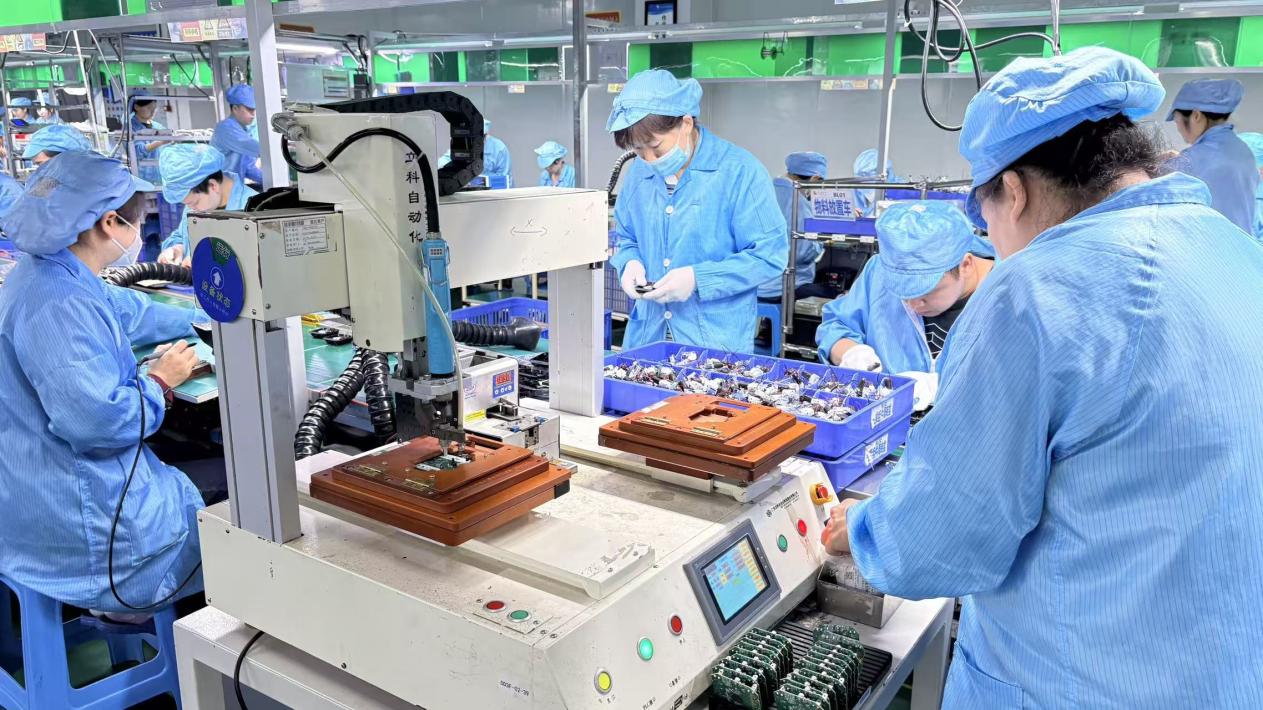
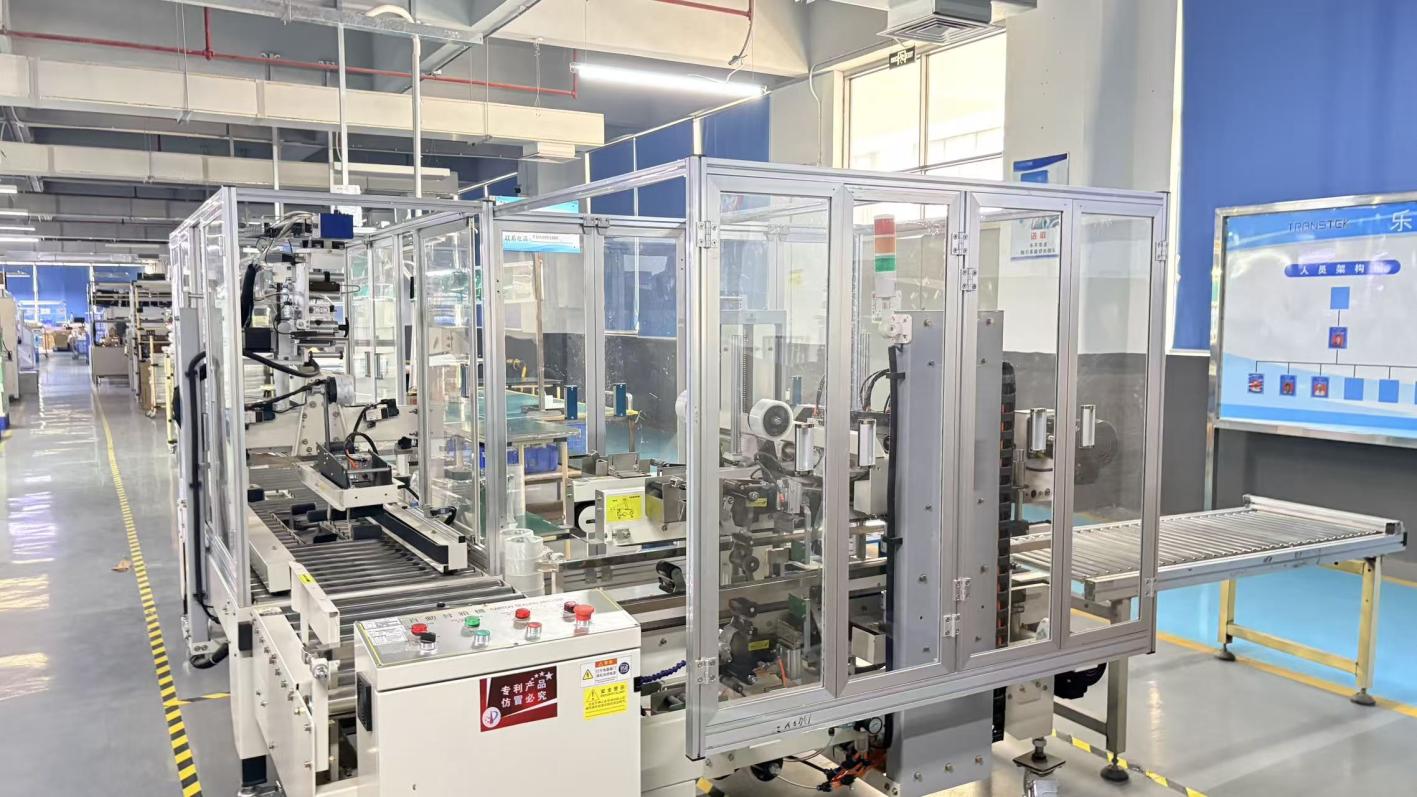
Behind the scenes of an industry-leading ISO 13485 medical device production facility.
Founded in 2009, Shenzhen MaxPro Medical Co., Ltd. is a leading manufacturer specializing in advanced medical devices and chronic disease monitoring solutions. With a strong commitment to innovation, quality, and customer satisfaction, we provide reliable healthcare technologies to over 500 healthcare institutions and distributors worldwide.
Our company operates a modern 20,000 sq ft manufacturing facility equipped with advanced production and testing systems. Certified under ISO 13485 quality management standards, all of our products comply with international medical regulations, with key products receiving FDA 510(k) clearance and CE certification.
Backed by an experienced R&D team and strict quality control processes, MaxPro Medical continuously develops accurate, user-friendly, and cost-effective medical solutions for chronic disease management, patient monitoring, rehabilitation, and home healthcare applications.
At MaxPro Medical, we uphold the core values of Quality First, Customer Focus, Innovation, Integrity, and Compliance. Our mission is to empower healthcare professionals with dependable medical technologies that improve patient outcomes and enhance healthcare efficiency worldwide.
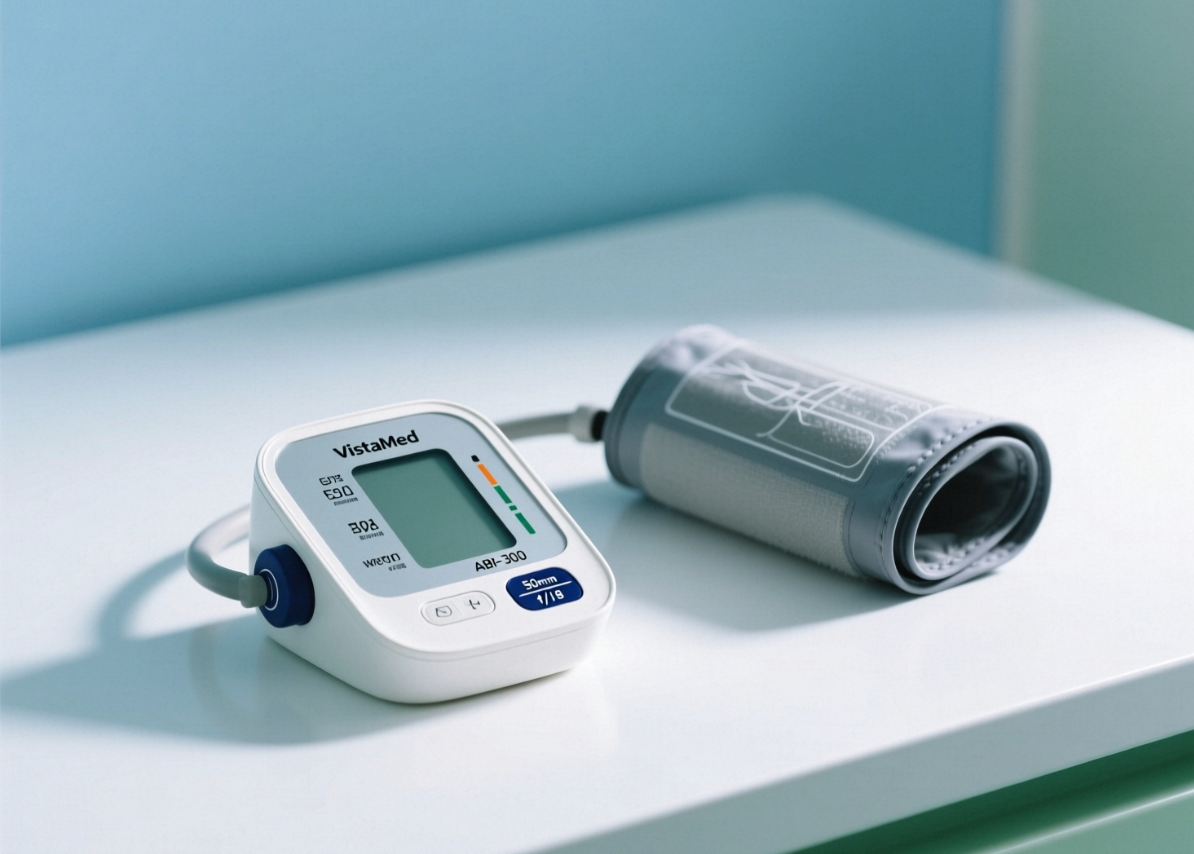
With years of experience in the medical device industry, Shenzhen MaxPro Medical Co., Ltd. has built long-term partnerships with healthcare providers, distributors, and medical institutions around the world. Our products are widely recognized for their stable performance, reliable quality, and user-friendly design.
We operate a modern manufacturing facility supported by strict quality management systems to ensure consistent production standards and dependable delivery performance. From raw material sourcing to final product inspection, every process is carefully controlled to meet international medical industry requirements. MaxPro Medical places strong emphasis on regulatory compliance and product safety. Our manufacturing system is certified under ISO 13485 standards, and selected products have obtained FDA 510(k) clearance and CE certification, ensuring compliance with global market requirements.
Innovation is at the core of our development strategy. Supported by a professional R&D and engineering team, we continuously improve our technologies and provide flexible OEM and ODM solutions tailored to customer needs. In addition, our dedicated customer service and technical support teams are always ready to provide fast and professional assistance, helping clients achieve efficient and reliable healthcare solutions with confidence.
A transparent review of MaxPro Medical's strict 12-step manufacturing process, ensuring zero-defect output.
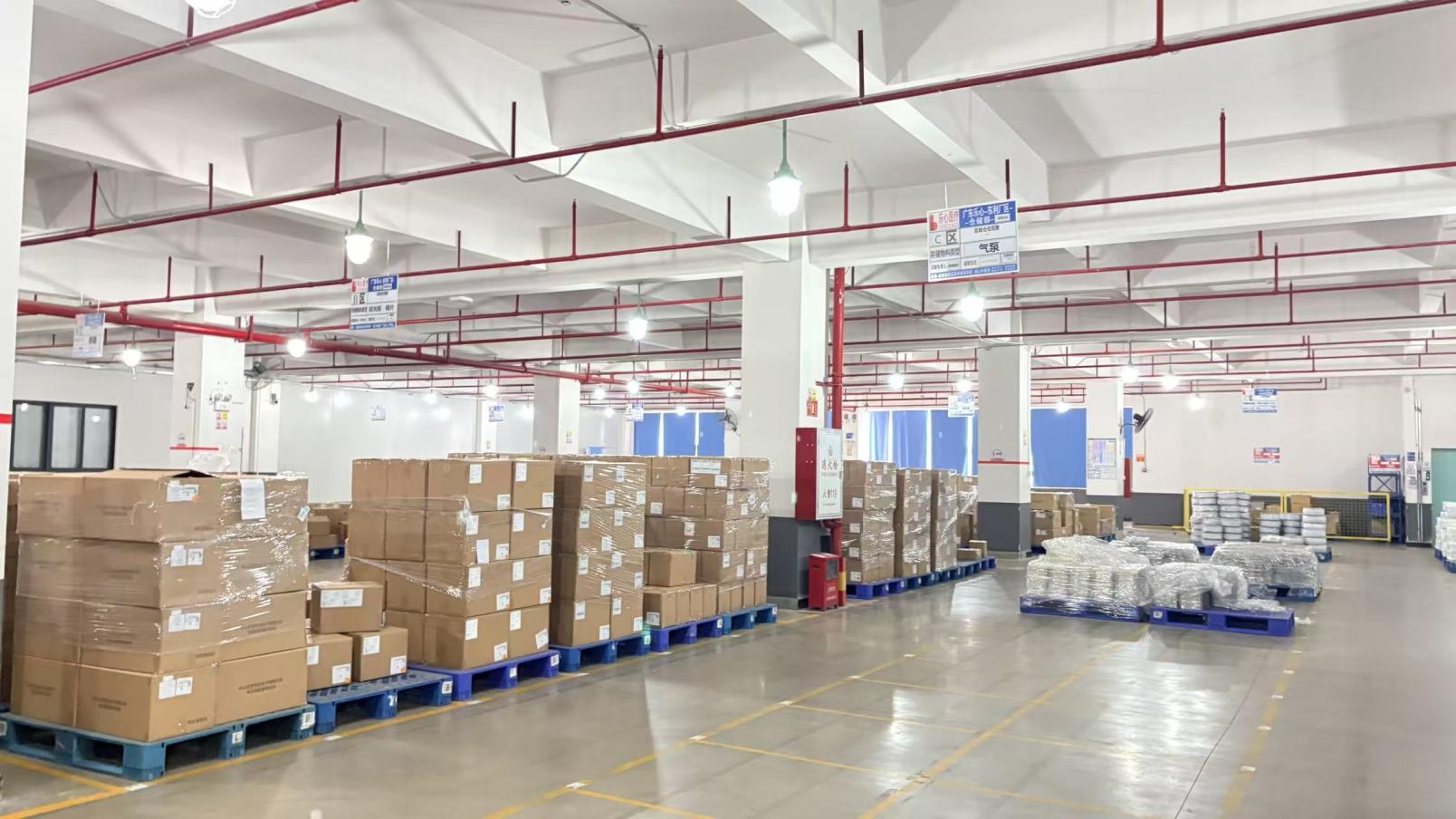
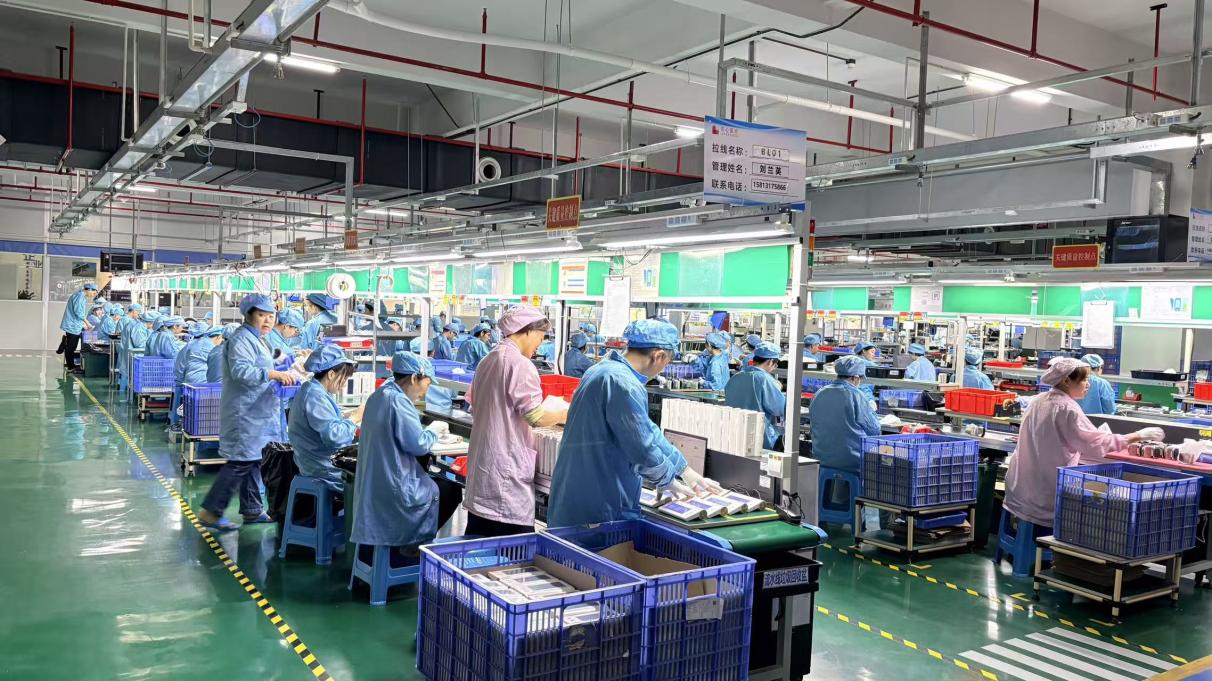
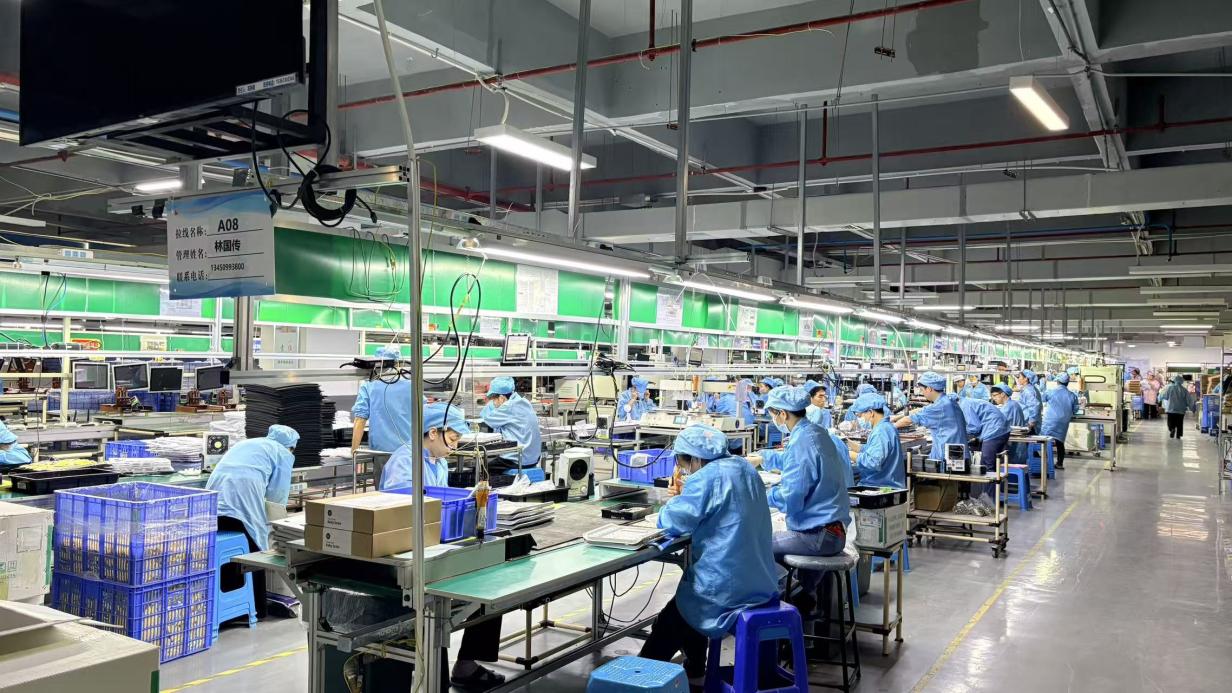
Decentralized patient care: Translating technical specifications into everyday diagnostic pathways.
Modern urological diagnostic application scenarios have rapidly expanded beyond legacy tertiary care centers. Dynamic localized setups demand that urinary flow meter technologies optimize workflows across three major settings:
In municipal and private urological hospital departments, the primary pain point is daily patient turn-around. Clinical flow meters in these settings require extremely fast initialization speeds, automated zeroing weight metrics, and rapid-cleaning components to prevent cross-contamination. The integration of high-speed local printing alongside real-time connection to a central computer via Bluetooth represents the standard solution to minimize administrative delays and ensure continuous patient flow.
Patients visiting pediatric or specialized gynecological clinics often suffer from "shy bladder" or "bashful bladder" syndrome when placed in sterile, stressful environments. The technical solution resides in providing highly discreet, non-invasive home-like visual configurations. Manufacturers address this by producing flow meters that can be placed inside standard aesthetic wooden cabinets or pediatric-friendly chairs, utilizing wireless signal transmission to allow physicians to monitor tests remotely from another room.
The next decade of urological diagnostics belongs to home-based, decentralized healthcare. Medical device developers are actively engineering ultra-portable, consumer-safe load-cell uroflowmeters. Patients can monitor their voiding patterns over multiple days in their comfortable home environments, recording data through a secure smartphone app which instantly transmits clinical-grade Nomogram datasets to remote clinicians.
Answering technical, clinical, and calibration queries for biomedical engineers and procurement leads.
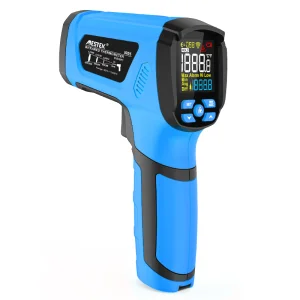
Explore our advanced diagnostic instrumentation, high-precision thermal sensors, and emergency critical care equipment.