MaxPro Medical MaxPro Medical

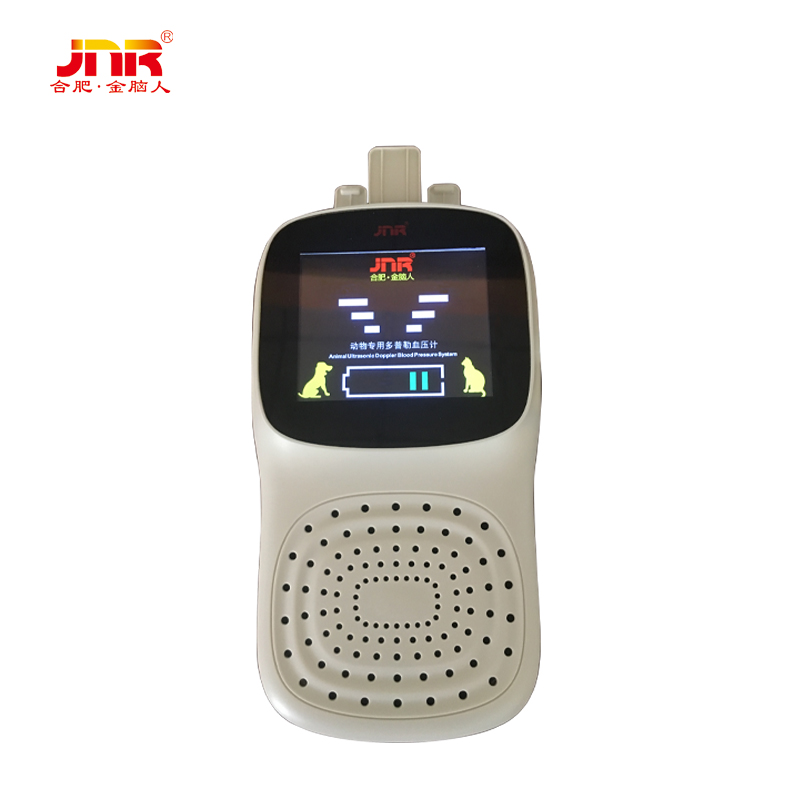
DS-200 Veterinary Blood Pressure Monitor

Product Description

Contents
  • The Host
  • Components
  • Operation of the Doppler host
  • Operation of the Doppler blood pressure meter
  • Clinical application skills
  • Notes (Probe, Couplant, Battery)
  • Specifications
  • Cleaning
The Host
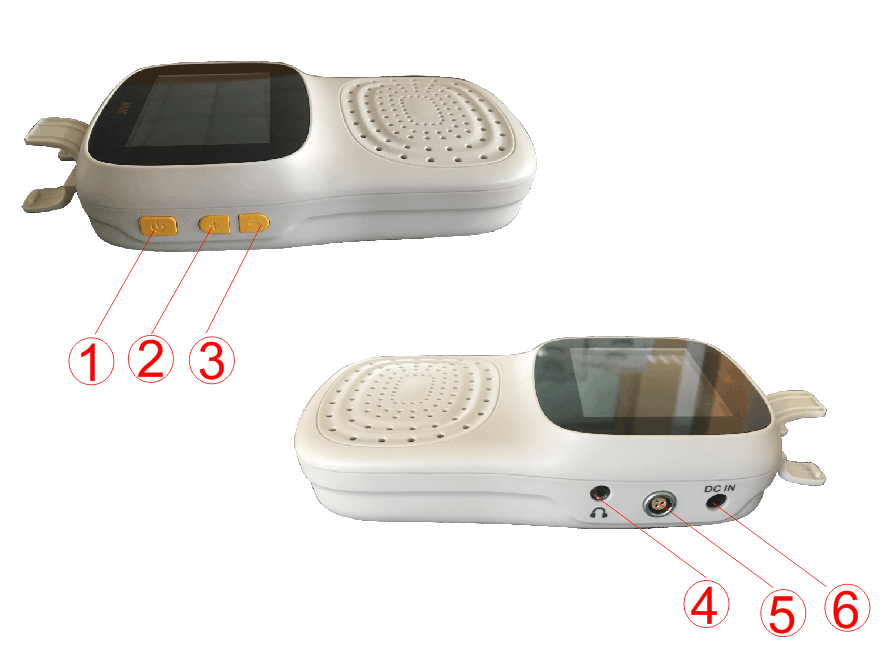
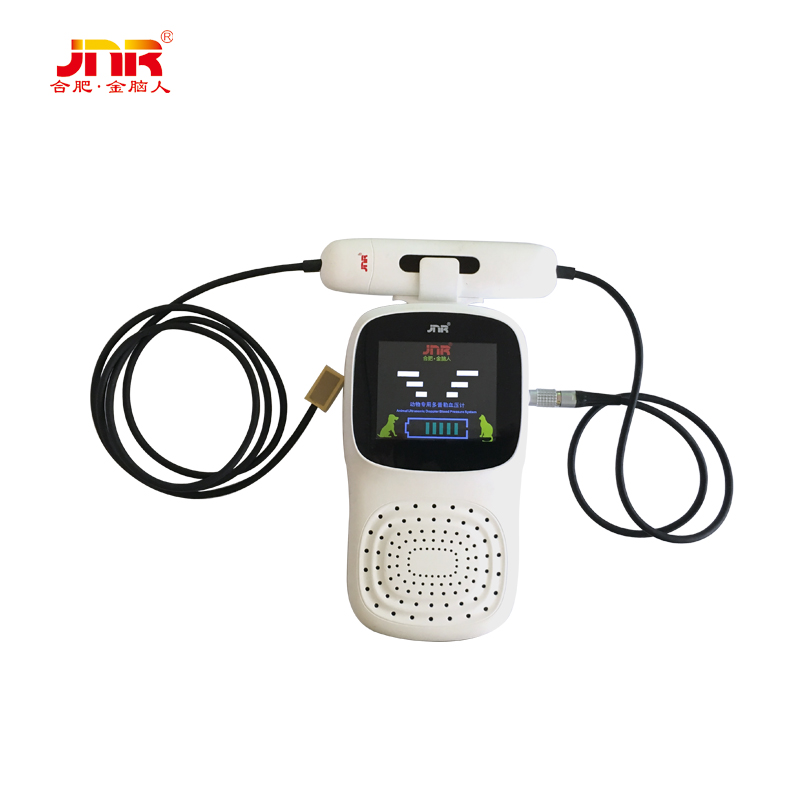
Veterinary Blood Pressure Monitor Host
  1. Turn off power by long pressing
  2. Increase volume by long pressing
  3. Decrease volume by long pressing
  4. Hole for earphone
  5. Connector for the high sensitive probe
  6. Hole for the charger
Components
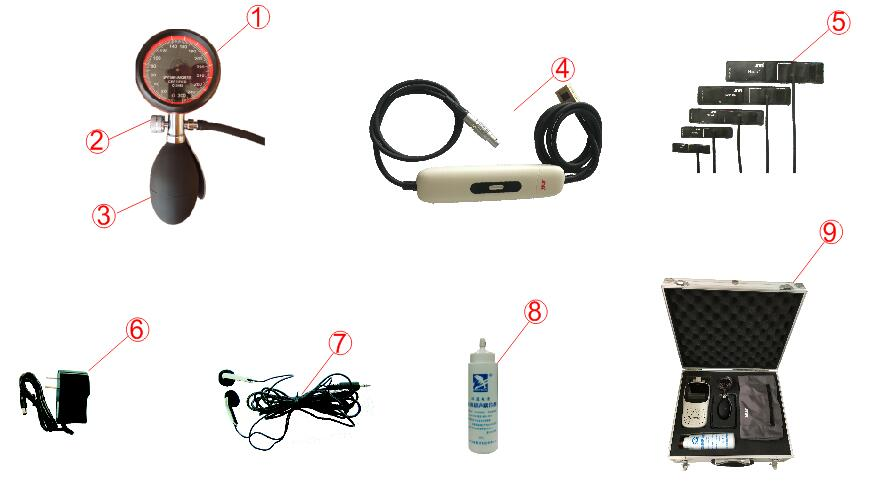
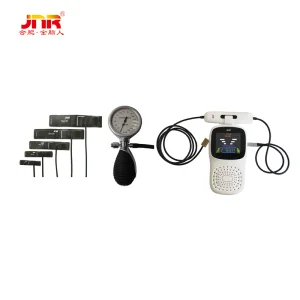
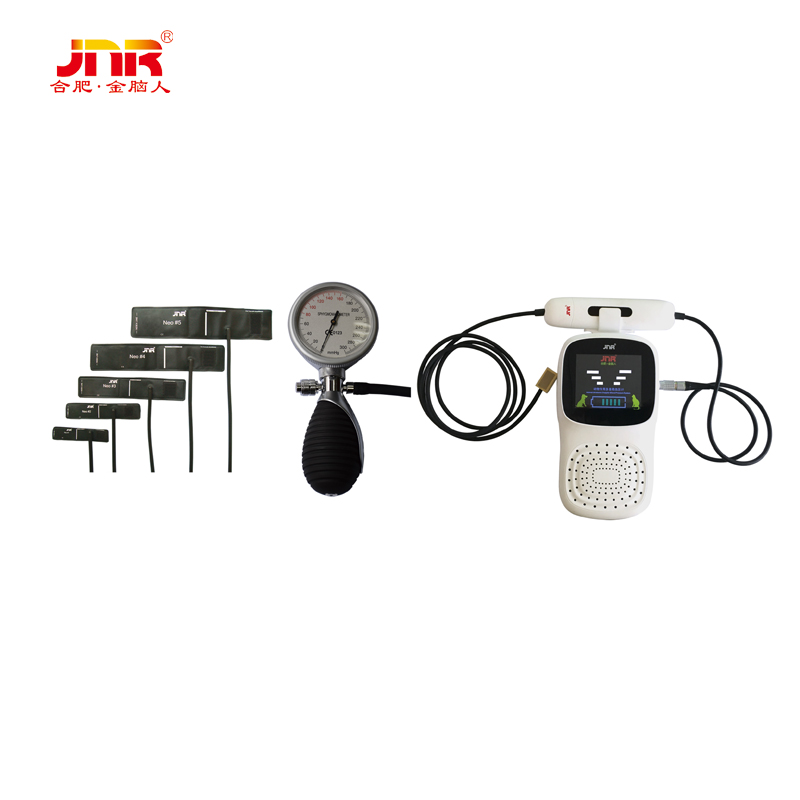
Components List
  • The Doppler Blood Pressure Meter
  • Valve for inflation and deflation control
  • Gasbag for inflation and deflation
  • High-sensitive probe
  • 5 different sizes of cuffs
  • Charger for the main machine
  • Earphone
  • Medical ultrasonic couplant
  • Aluminum carrying case
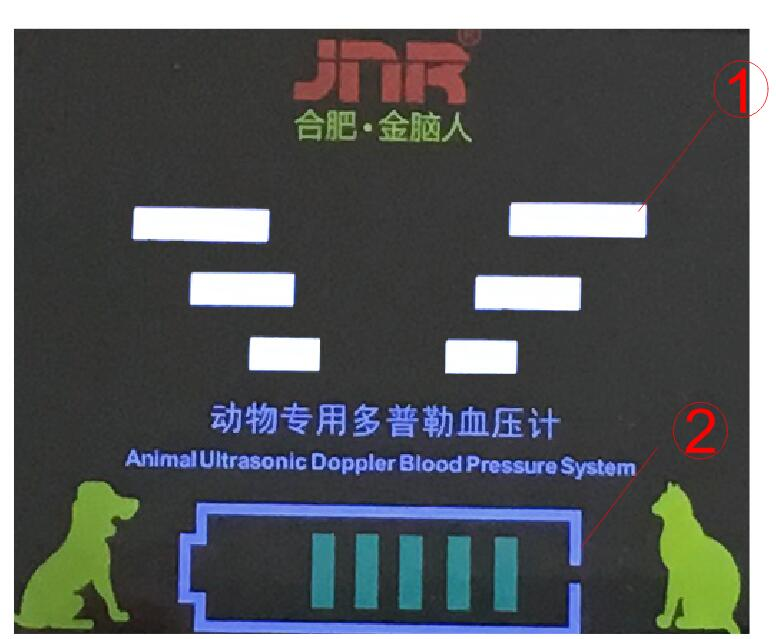
Description of the host display interface
Display Interface
  • Strength of blood flowing
  • Capacity of battery:
    • 6 grid: 90% energy
    • 5 grid: 70% energy
    • 4 grid: 50% energy
    • 3 grid: 30% energy
    • 2 grid: 20% energy
    • 1 grid: 10% energy
Operation of the Doppler Host

One end of the high sensitive probe contacts the pet; the other connector end connects to the main machine.
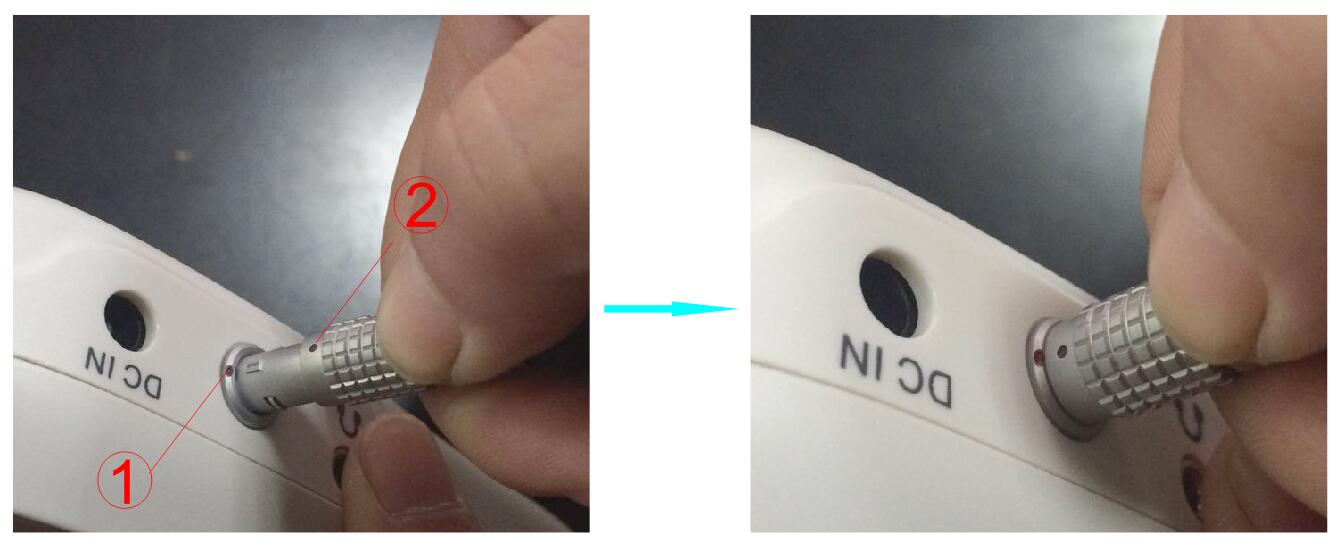
Connecting probe
  1. Connect sensor to the host and power on. Align point 1 and point 2 for correct connection. Pull out by pinching the lined area.
  2. Apply ultrasonic couplant to the sensor top and the animal's test area.
  3. Place sensor on the area and move slowly until the strongest pulse is heard.
  4. Using earphones automatically mutes the loudspeaker for clearer Doppler sound.
  5. If the power light is off, please charge the host.
Note: Please do not test blood pressure while charging.
Operation of the Doppler Blood Pressure Meter
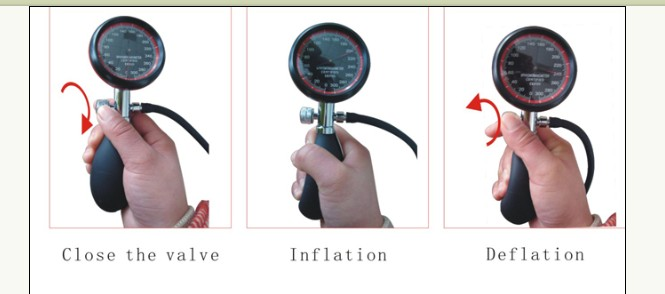
  1. Inflation: Close the valve and slowly press the gasbag.
  2. Deflation: Open the valve and gently press the gasbag until the cuff is fully deflated.
Valve operation
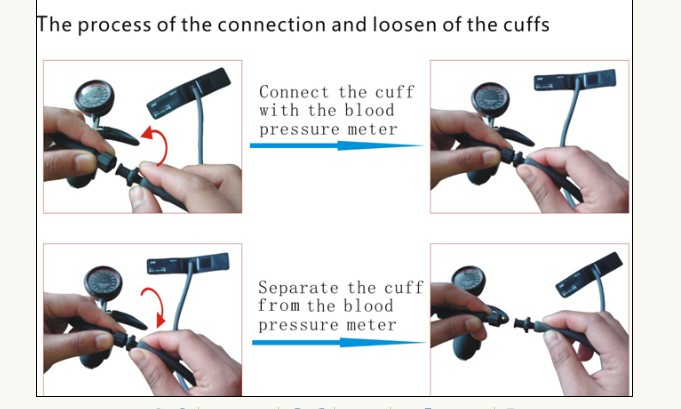
Cuff connection
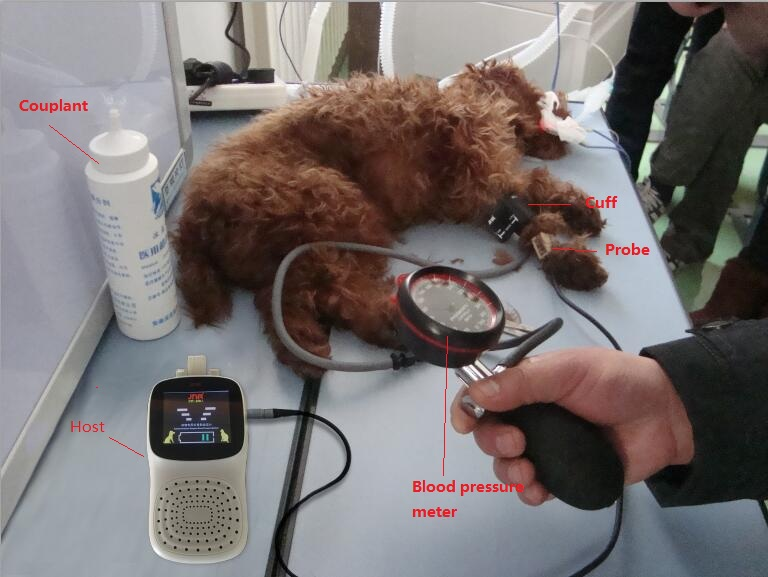
Procedures to Test Pets Blood Pressure
Testing on pet
  1. Cut fur on the volar pad (especially beneath the first toe). Apply couplant on the mid-line of the foot.
  2. Apply couplant on the probe. Move the probe on the mid-line until a "so-so-so" sound is heard.
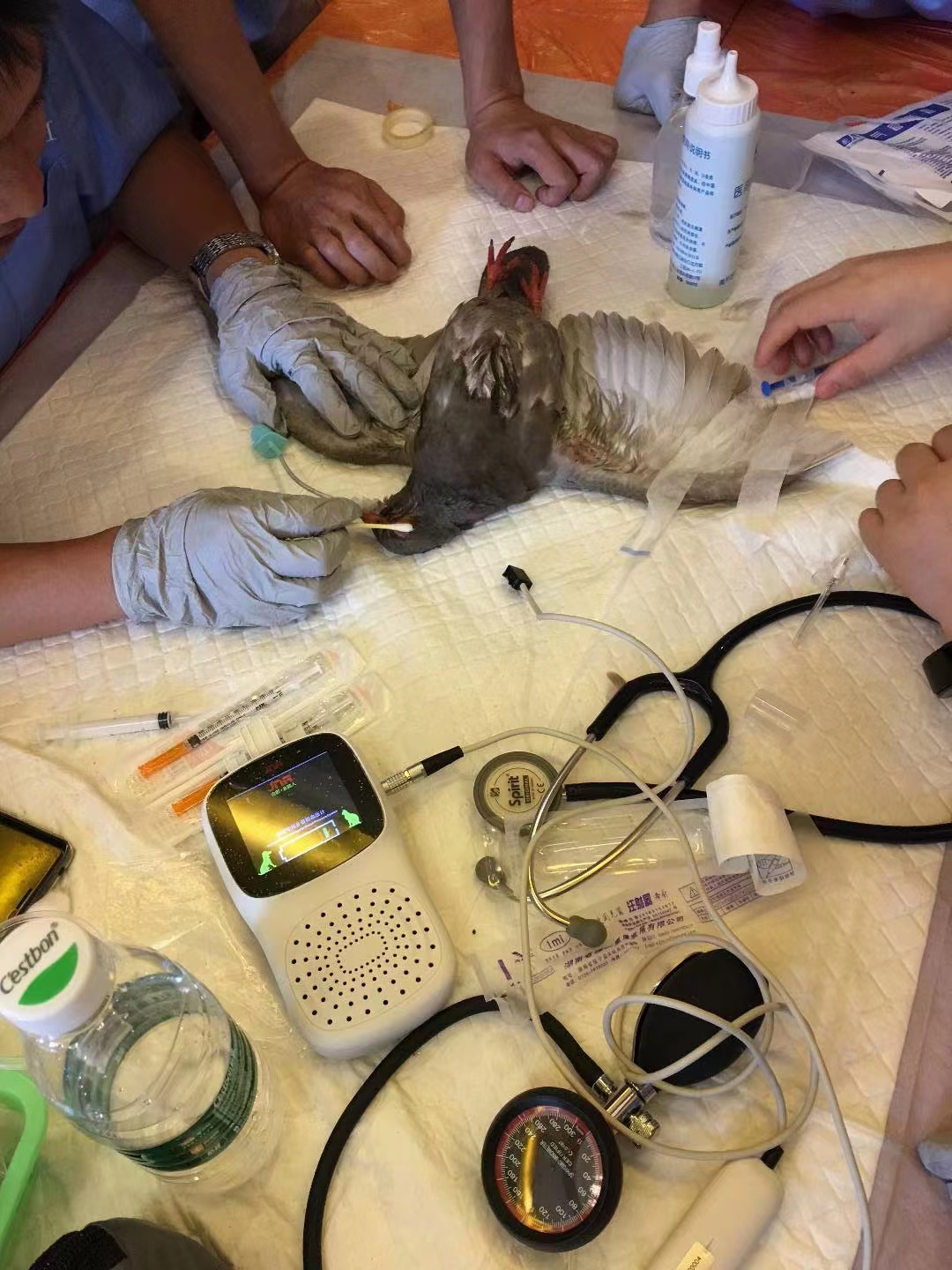
  3. For outpatient exams, use 3 staff members: one to calm the pet, one for the probe, and one for the meter. For surgery, one person can monitor every 5-10 minutes.
  4. Place the cuff above the forelimb wrist (proximate to the heart). Ensure the indicator is within the circumference range to avoid inaccurate readings.
  5. Inflate until the sound stops, then add 20mmHg more. Open the valve slowly to record systolic pressure.
  6. Diastolic pressure can be recorded during slow deflation, though it is harder to detect due to Doppler theory.
  7. In winter, use a heated room. If the temperature is below 10°C, the pulse may be hard to hear.
  8. Usual range for cats and dogs: 110mmHg to 160mmHg.
Clinical Application Skills
  • Outpatient: Do not fasten the probe with tape; hold it with a finger to easily reposition if the pet moves.
  • Anesthesia: Fasten the probe with adhesive tape for continuous monitoring.
  • Apply slight pressure to ensure the probe makes good contact with the skin.
  • Use earphones to hear pulses clearer and avoid scaring the pet.
  • Adjust speaker volume appropriately; too loud may miss subtle sounds.
  • Keep the pet's leg straight to avoid influencing blood flow.
  • Measure 6-7 times until the pet calms; stable values are the most accurate.
Important Notes
Probe

Turn off power after use. Protect the probe from crashes or collisions as it contains expensive chips.

Couplant

Only use ultrasonic couplant. Do NOT use ECG gel, baby oil, or other oils, as they corrode the probe.

Battery

Charge or change the battery when the power light dims or the speaker stops working.

Specifications
  • Probe Frequency: 9 MHz
  • Battery: DC 7.4V 2600mAh lithium battery
  • Speaker: 4Ω 1W
  • Earphone: 3.5mm Plug, dual rack 270Ω
  • Host Dimensions: 160mm(L) * 90mm(W) * 40mm(H)
  • Package Dimensions: 37mm(L) * 31mm(W) * 14mm(H)
Cleaning
Probe
  • Wipe off couplant with a napkin after use.
  • Use alcohol swabs to gently swipe for sterilization.
  • Consult the manufacturer before using other disinfectants.
Host

Prevent water from entering the body when cleaning the host.

Main Components List
No. Name Quantity
1 Host 1 set
2 Sphygmomanometer 1 pc
3 Earphone 1 pc
4 Probe 1 pc
5 Cuff 5 sizes
6 Battery 2 pcs
Frequently Asked Questions (FAQ)
1. What is the normal blood pressure range for cats and dogs? The usual blood pressure range for cats and dogs is typically between 110mmHg and 160mmHg.
2. Can I use ECG gel or baby oil with the Doppler probe? No, you should only use medical ultrasonic couplant. ECG gel, baby oil, and other oils can corrode and damage the sensitive probe chip.
3. How do I know if the cuff size is correct for the pet? The indicator on the end of the cuff should fall within the specified circumference range when wrapped around the limb. If the cuff is too large or too small, the reading will be inaccurate.
4. Why can't I hear the "so-so-so" pulse sound? This could be due to several factors: insufficient couplant, the probe not being placed exactly over the artery, the pet being too small, or the room temperature being too low (below 10°C).
5. Can I use the Doppler monitor while it is charging? No, it is advised not to test blood pressure while the device is connected to the charger to ensure safety and accuracy.
6. How should I clean the probe after a procedure? Gently wipe off any excess couplant with a soft napkin, then use alcohol swabs to softly swipe the probe for sterilization.

Related Products