Frequently Asked Questions
How does a mechanic's stethoscope differ from a medical one?
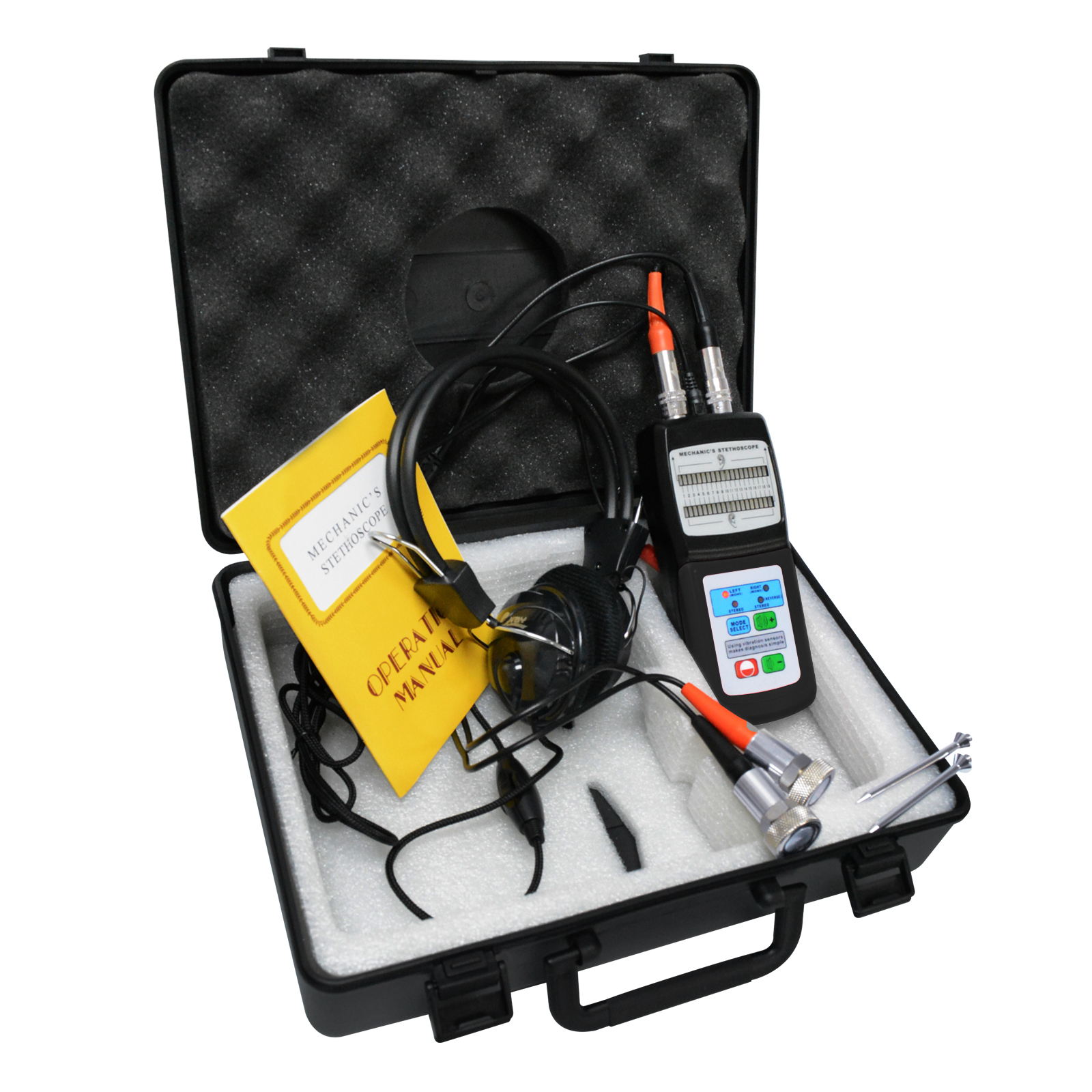
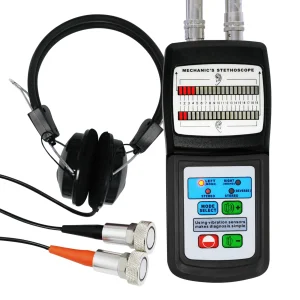
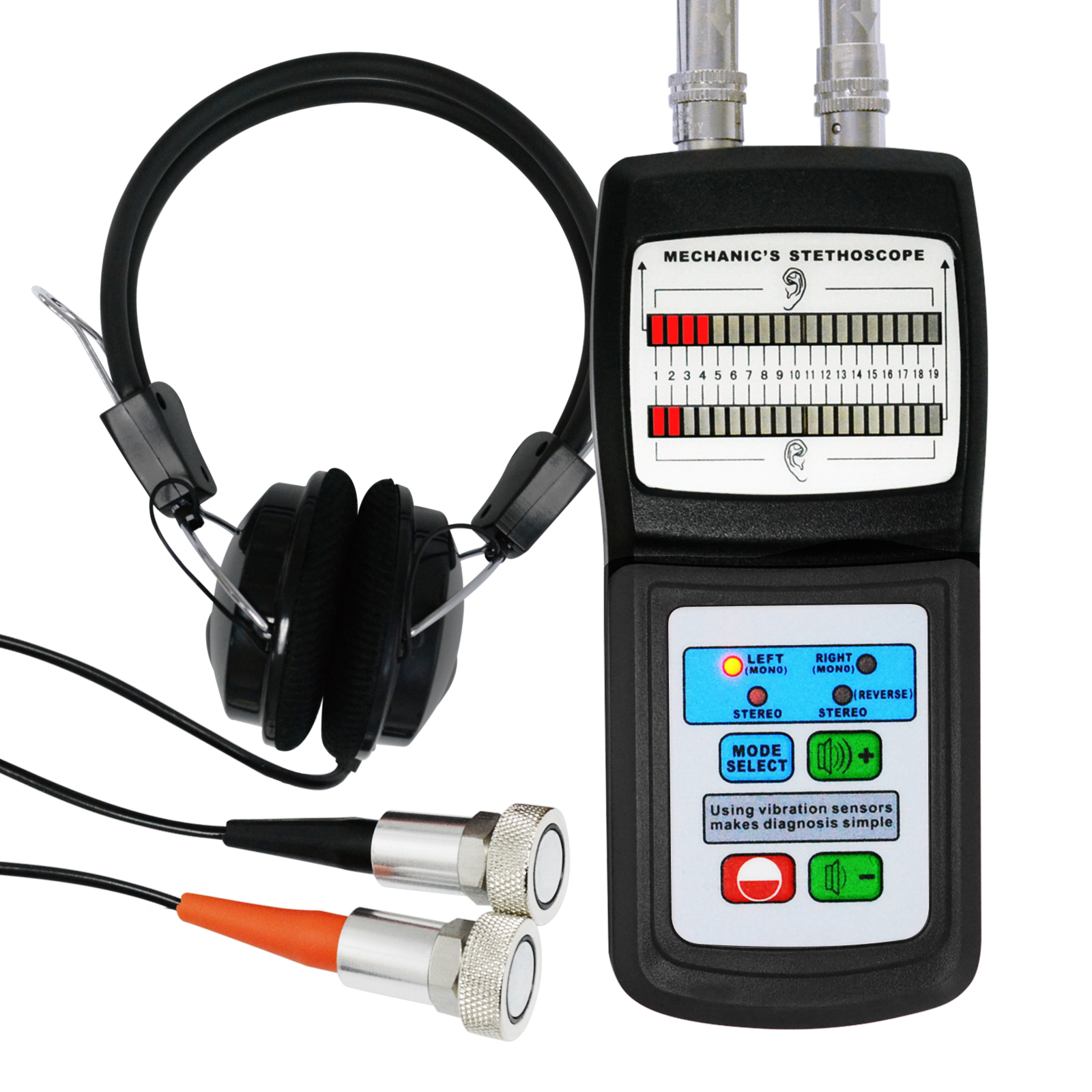
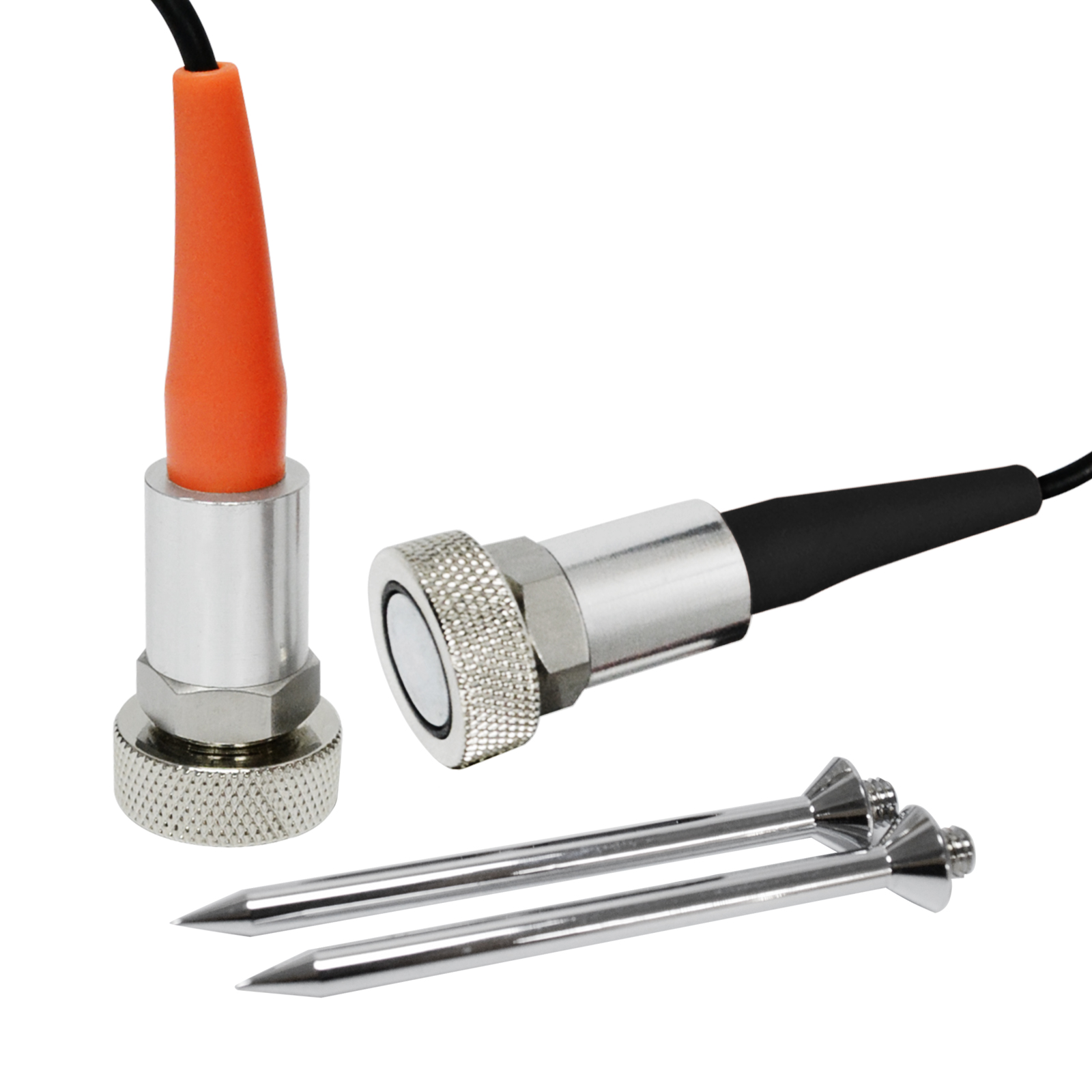
While both amplify sound, a mechanic's stethoscope is specifically designed with probes and sensors to detect vibrations in solid mechanical parts like engines and bearings, rather than internal biological sounds.
Can this tool help locate leaks in industrial piping?
Yes, it is highly effective for checking whether liquid is flowing or blocked in chemical industries and can identify the specific source of hissing or leaking sounds in pipes.
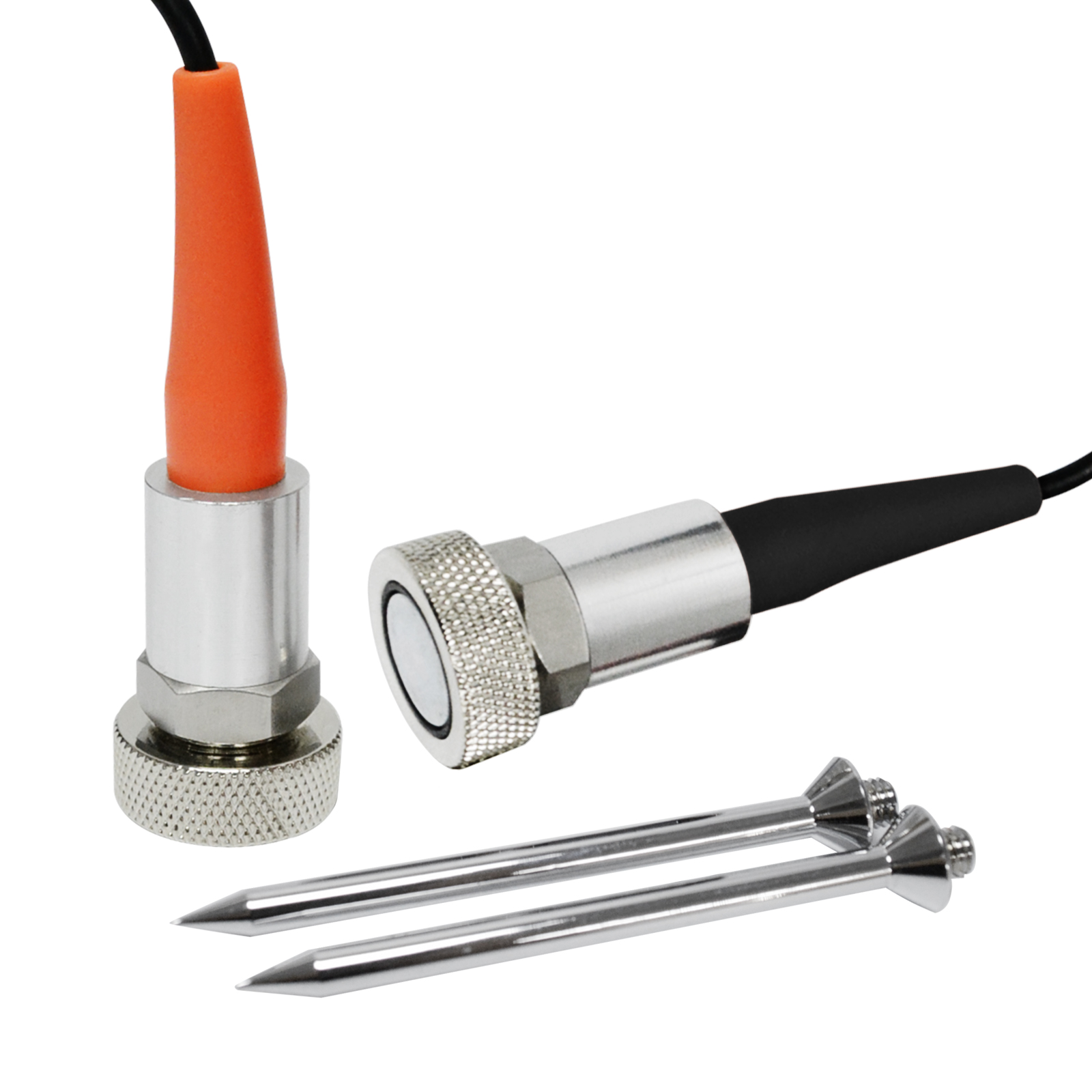
What is the advantage of having two separate sensors?
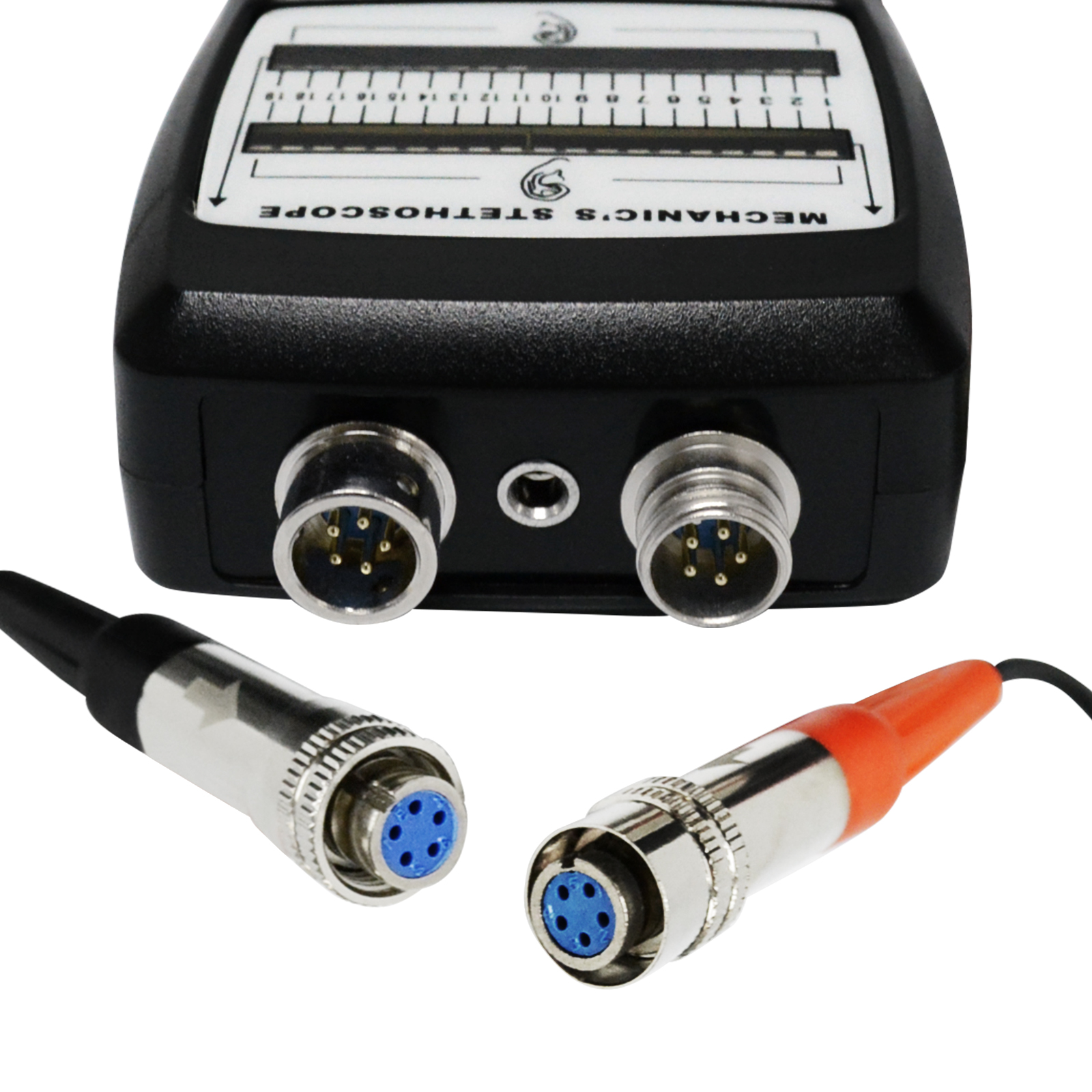
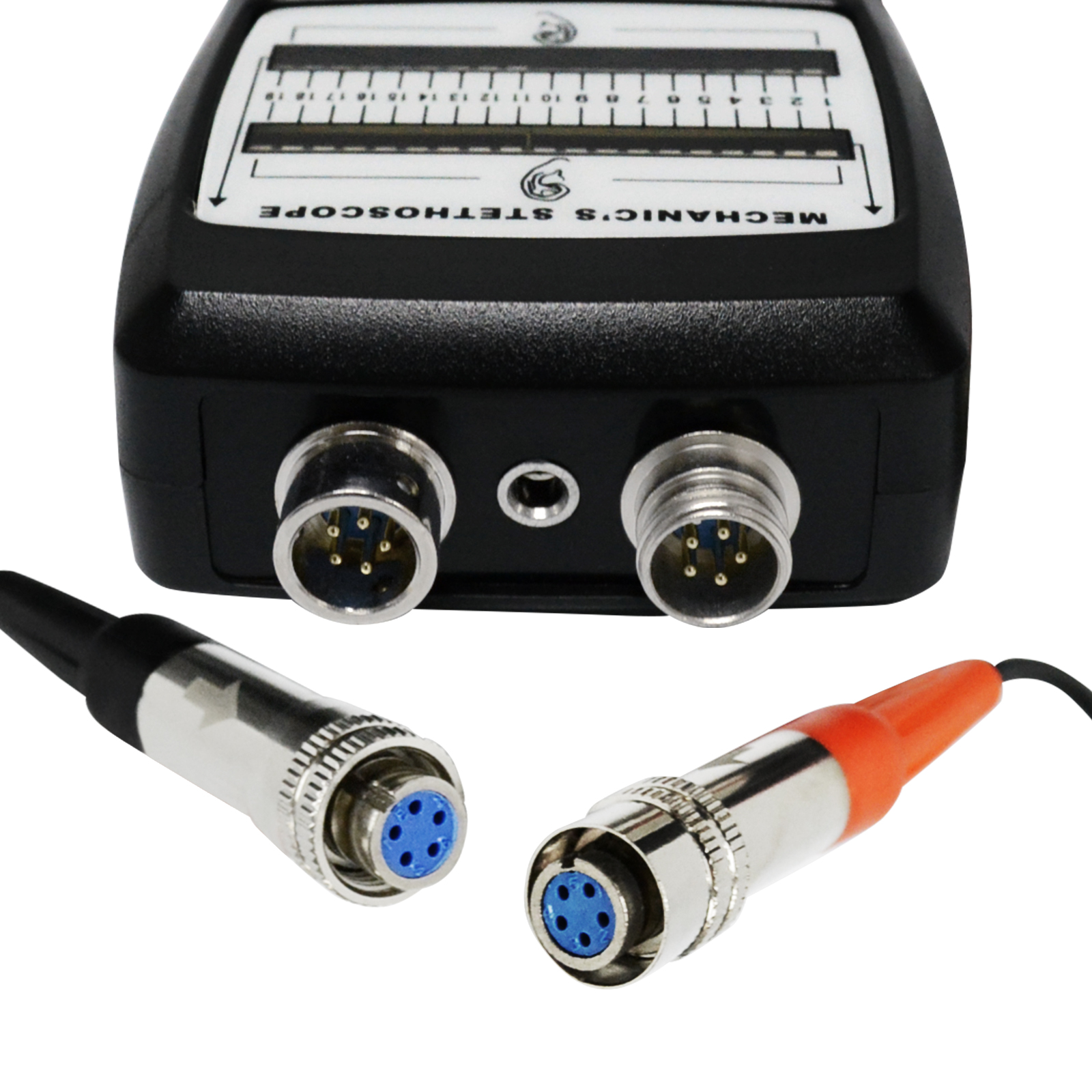
The dual-sensor design allows technicians to monitor two different parts of a machine simultaneously, making it easier to compare sounds and isolate the exact point of failure.
Does the device support stereo sound?
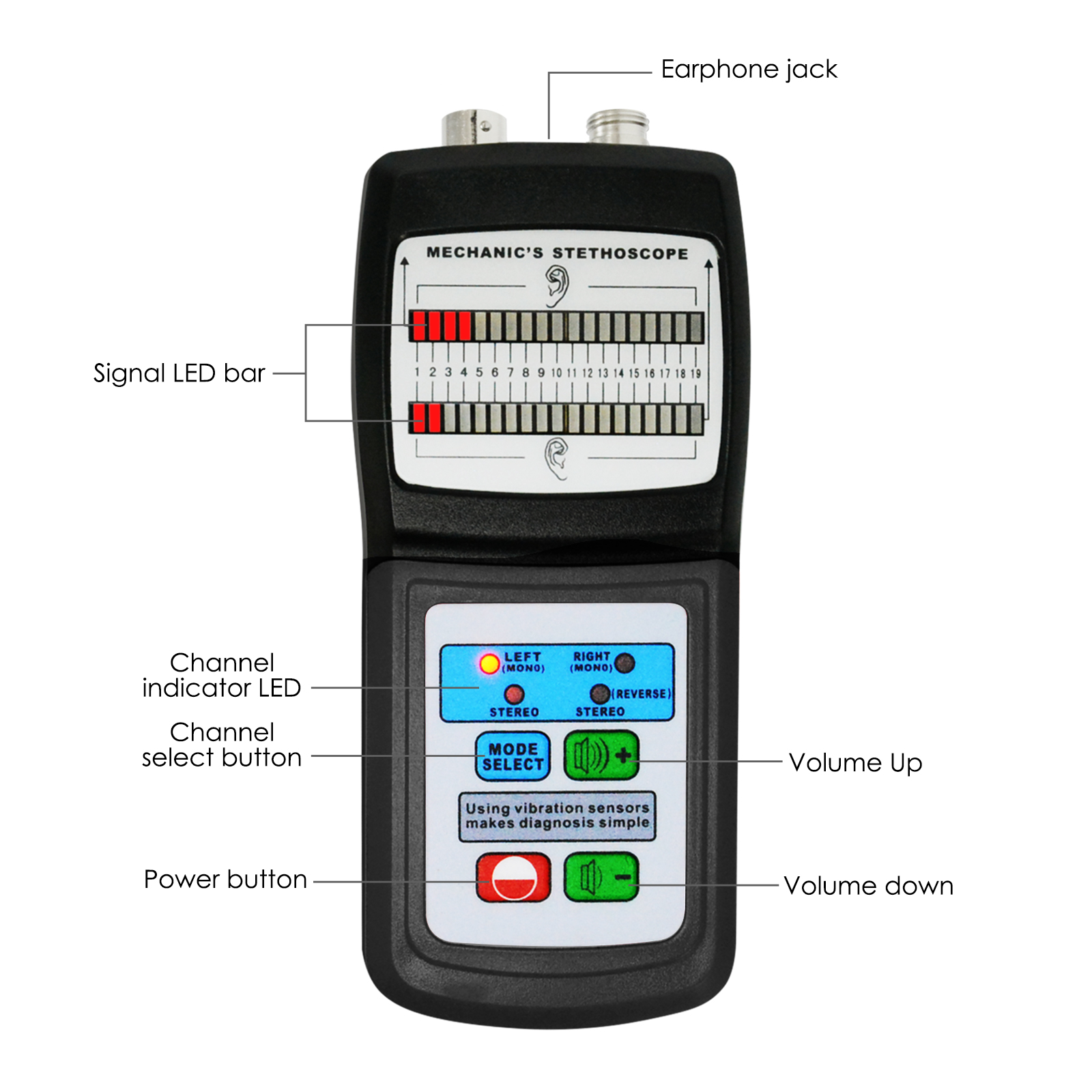
Yes, users can select between Mono (listening to the left or right channel individually) and Stereo (listening to both channels at once) for comprehensive diagnostic analysis.
What kind of power source is required for operation?
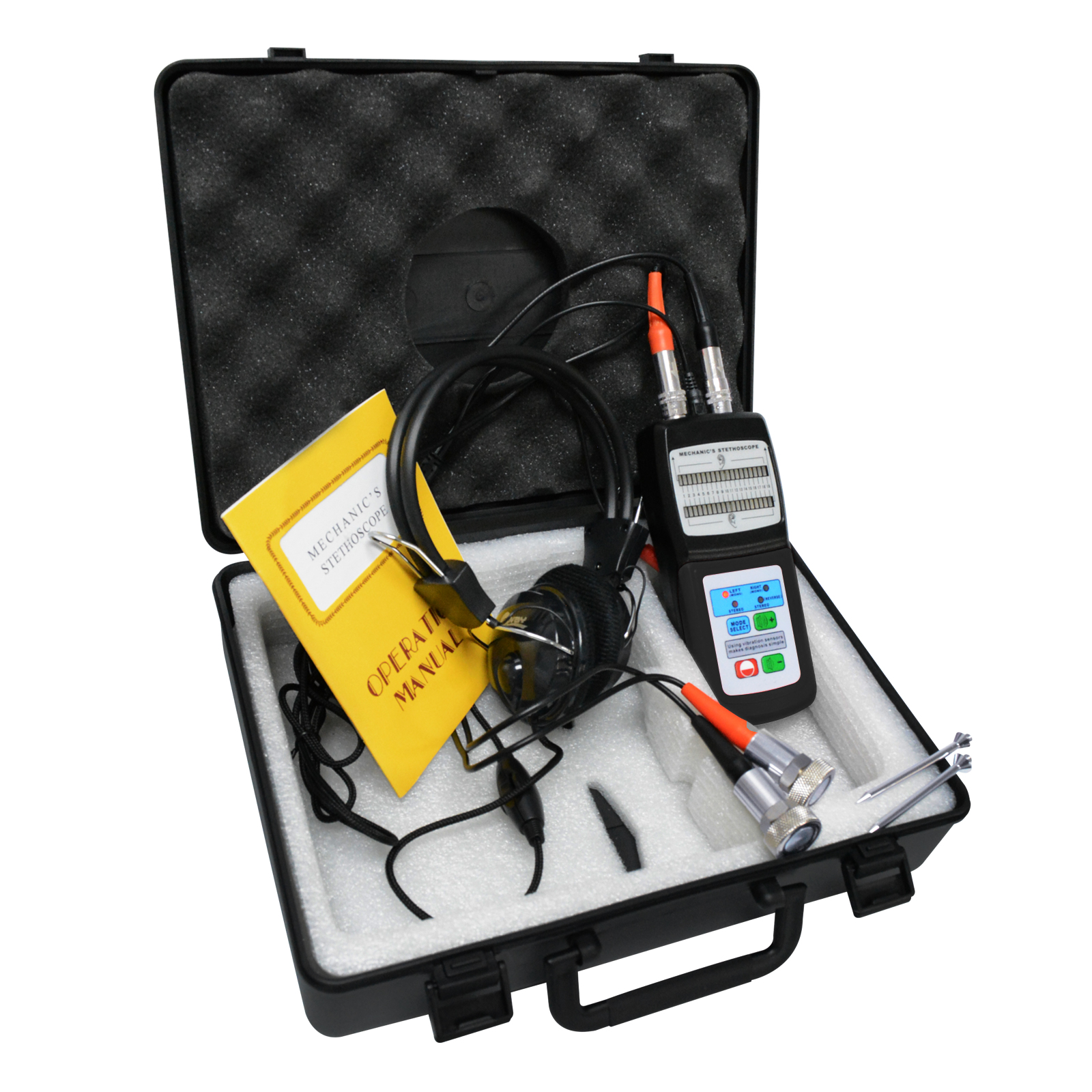
The device is powered by 4 standard 1.5V AAA size batteries, making it portable and easy to use in various workshop environments.
Is the device capable of filtering out loud background noise?
It is designed to permit ambient noise up to 100dB, while the sensitive piezoelectric sensor focuses on capturing weak internal mechanical signals.

 MaxPro Medical