MaxPro Medical
MaxPro Medical
MaxPro Medical
The global pulmonary diagnostics field is undergoing a massive transformation driven by digitalization, cloud connectivity, and patient-centered workflows. Originally confined to specialized clinical environments, the modern spirometer has evolved into an essential, highly integrated diagnostic asset. This shift is reshaping how primary care institutions, respiratory departments, and remote health providers detect and manage chronic obstructive pulmonary disease (COPD), asthma, and occupational lung illnesses.
Traditional turbine and differential pressure flow meters are increasingly being replaced or augmented by advanced ultrasonic transit-time sensor arrays. This development eliminates moving mechanical parts subject to wear, offering calibration-free consistency and lowering lifetime operational costs for clinical institutions.
Global standards bodies like the American Thoracic Society (ATS) and the European Respiratory Society (ERS) updated their technical specifications to demand higher quality metrics. Modern spirometers must incorporate real-time usability feedback, strict verification of BTPS (Body Temperature and Pressure, Saturated) corrections, and robust quality grading indicators for FVC/FEV1 maneuvers.
Telehealth protocols and cloud-connected clinical systems require spirometers to transmit data via Bluetooth or cellular IoT modules. The ability to export standardized diagnostic files directly into Electronic Medical Records (EMR) systems like HL7 and DICOM has transitioned from a premium feature to a core requirement for international procurement.
Medical device distributors, government purchasing organizations, and hospital networks evaluate specific compliance and structural metrics to mitigate regulatory and financial risks. When sourcing spirometer units, buyers weigh these distinct factors:
China's position as a top exporter of clinical diagnostic equipment rests on its advanced manufacturing infrastructure. The integration of Industry 4.0 automation, combined with access to local component ecosystems, enables manufacturers to achieve a balance of scale, speed, and precision.
Pulmonary diagnostics demand strict calibration accuracy down to milliliters. Leading manufacturers use computerized multi-point syringe testing rigs that simulate diverse respiratory curves (FEV1, FVC, PEF) automatically. This minimizes human error, ensures consistent compliance with ERS/ATS guidelines, and generates verifiable calibration certificates for every exported unit.
By centering assembly in manufacturing hubs like Shenzhen, factories secure high-precision pressure sensors, biocompatible plastics, OLED microdisplays, and microcontrollers within a tight radius. This proximity reduces sourcing times and allows producers to adjust manufacturing volumes quickly to meet unexpected global demand surges without compromising quality control.
Founded in 2009, Shenzhen MaxPro Medical Co., Ltd. is a leading manufacturer specializing in advanced medical devices and chronic disease monitoring solutions. With a strong commitment to innovation, quality, and customer satisfaction, we provide reliable healthcare technologies to over 500 healthcare institutions and distributors worldwide.
Our company operates a modern 20,000 sq ft manufacturing facility equipped with advanced production and testing systems. Certified under ISO 13485 quality management standards, all of our products comply with international medical regulations, with key products receiving FDA 510(k) clearance and CE certification.
Backed by an experienced R&D team and strict quality control processes, MaxPro Medical continuously develops accurate, user-friendly, and cost-effective medical solutions for chronic disease management, patient monitoring, rehabilitation, and home healthcare applications.
At MaxPro Medical, we uphold the core values of Quality First, Customer Focus, Innovation, Integrity, and Compliance. Our mission is to empower healthcare professionals with dependable medical technologies that improve patient outcomes and enhance healthcare efficiency worldwide.
With years of experience in the medical device industry, Shenzhen MaxPro Medical Co., Ltd. has built long-term partnerships with healthcare providers, distributors, and medical institutions around the world. Our products are widely recognized for their stable performance, reliable quality, and user-friendly design.
We operate a modern manufacturing facility supported by strict quality management systems to ensure consistent production standards and dependable delivery performance. From raw material sourcing to final product inspection, every process is carefully controlled to meet international medical industry requirements.
MaxPro Medical places strong emphasis on regulatory compliance and product safety. Our manufacturing system is certified under ISO 13485 standards, and selected products have obtained FDA 510(k) clearance and CE certification, ensuring compliance with global market requirements.
Innovation is at the core of our development strategy. Supported by a professional R&D and engineering team, we continuously improve our technologies and provide flexible OEM and ODM solutions tailored to customer needs. In addition, our dedicated customer service and technical support teams are always ready to provide fast and professional assistance, helping clients achieve efficient and reliable healthcare solutions with confidence.
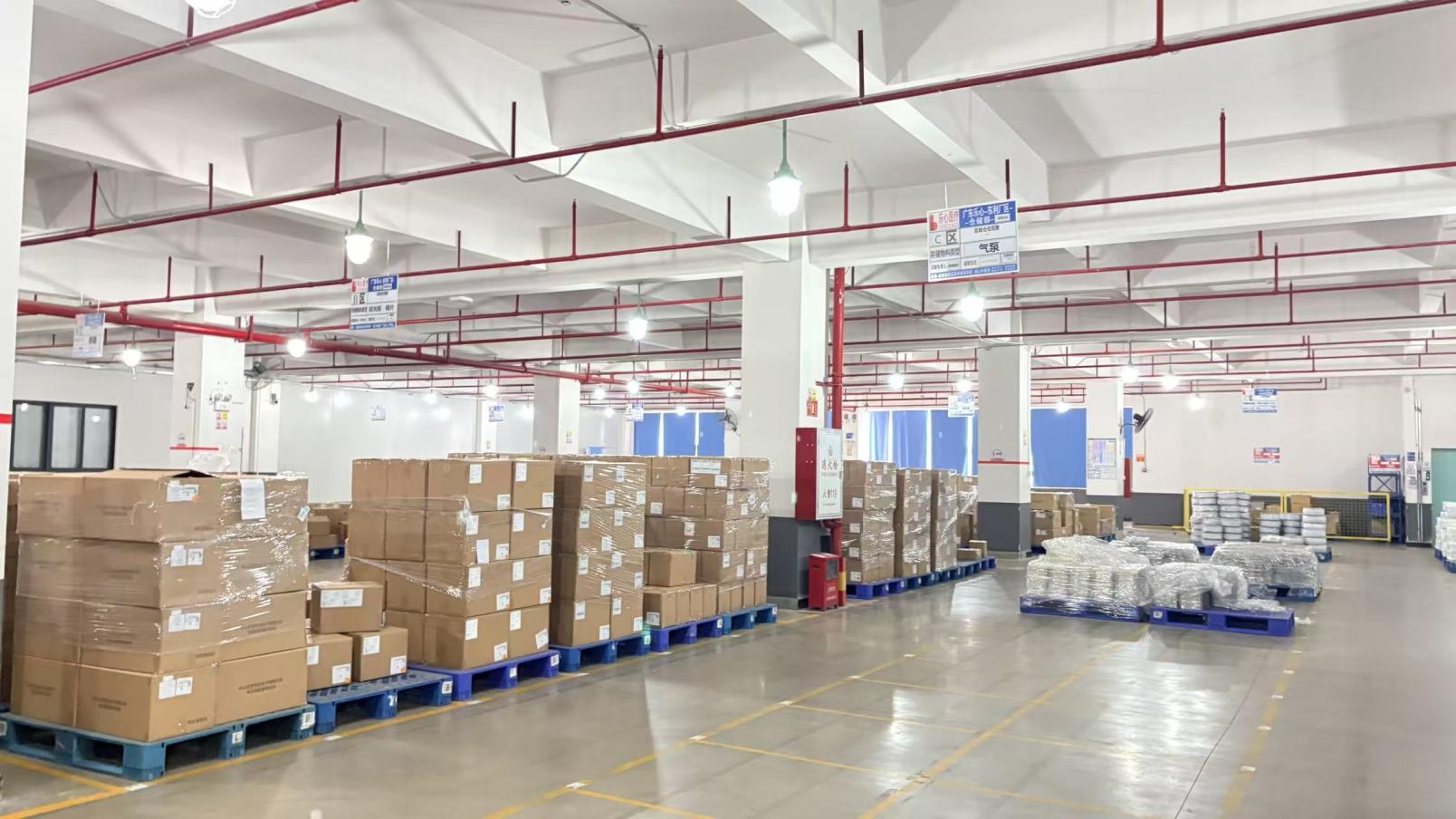
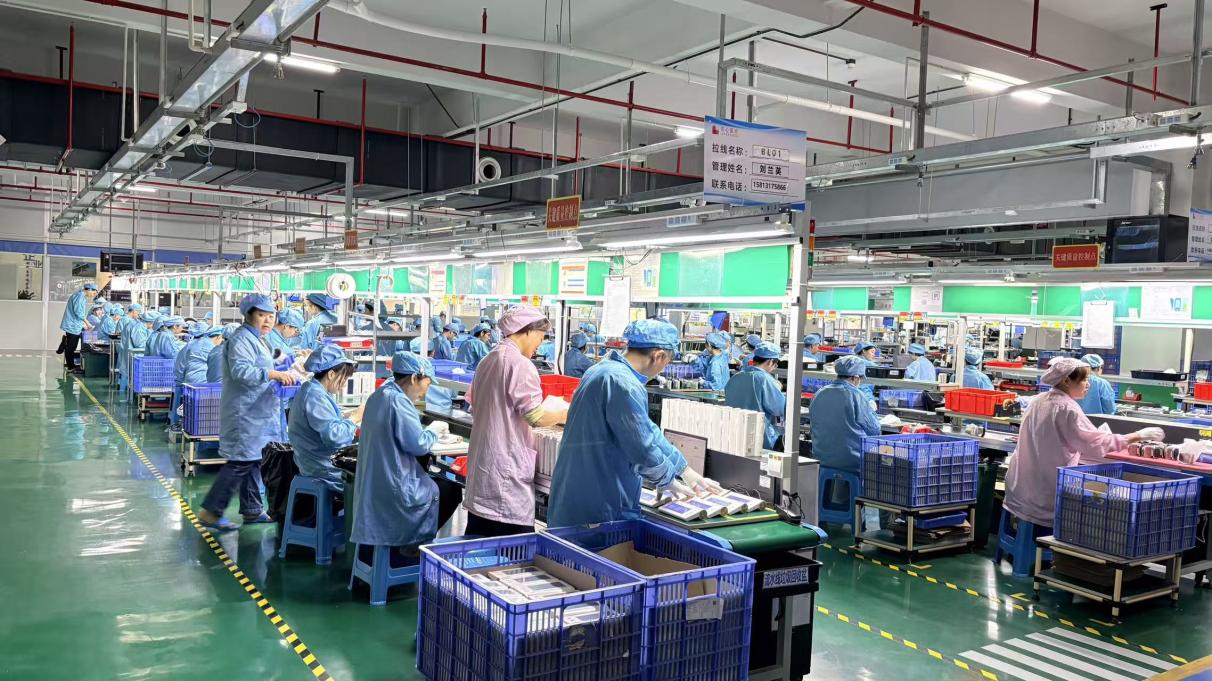
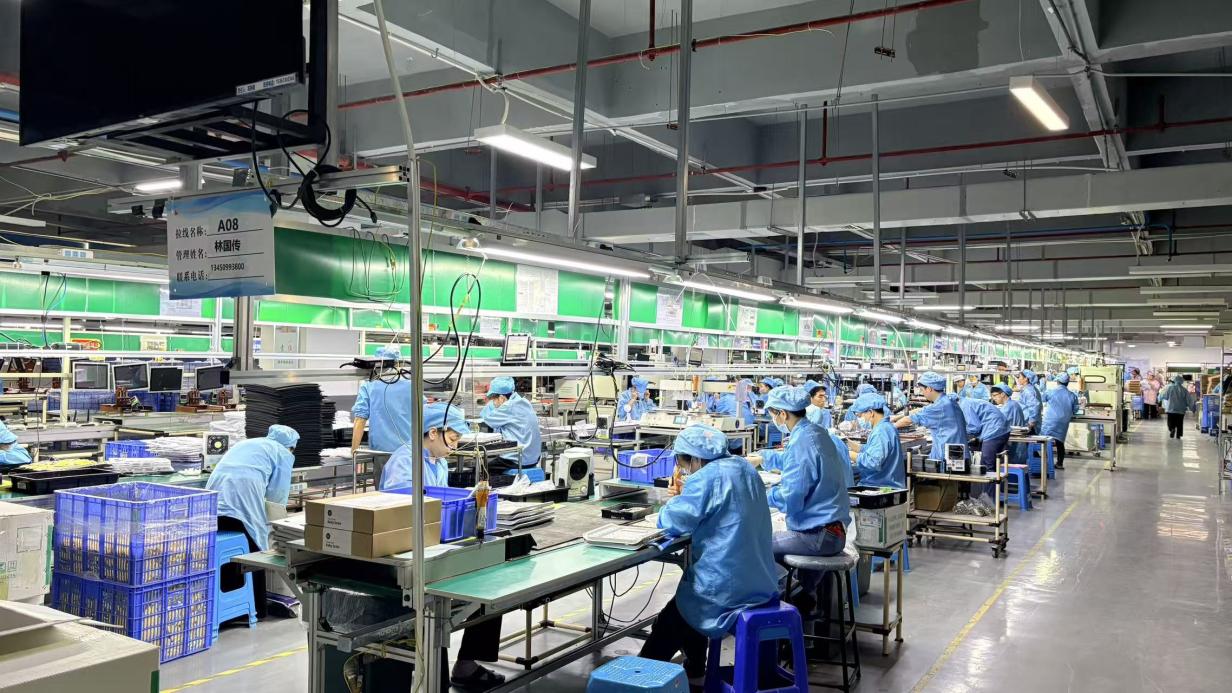
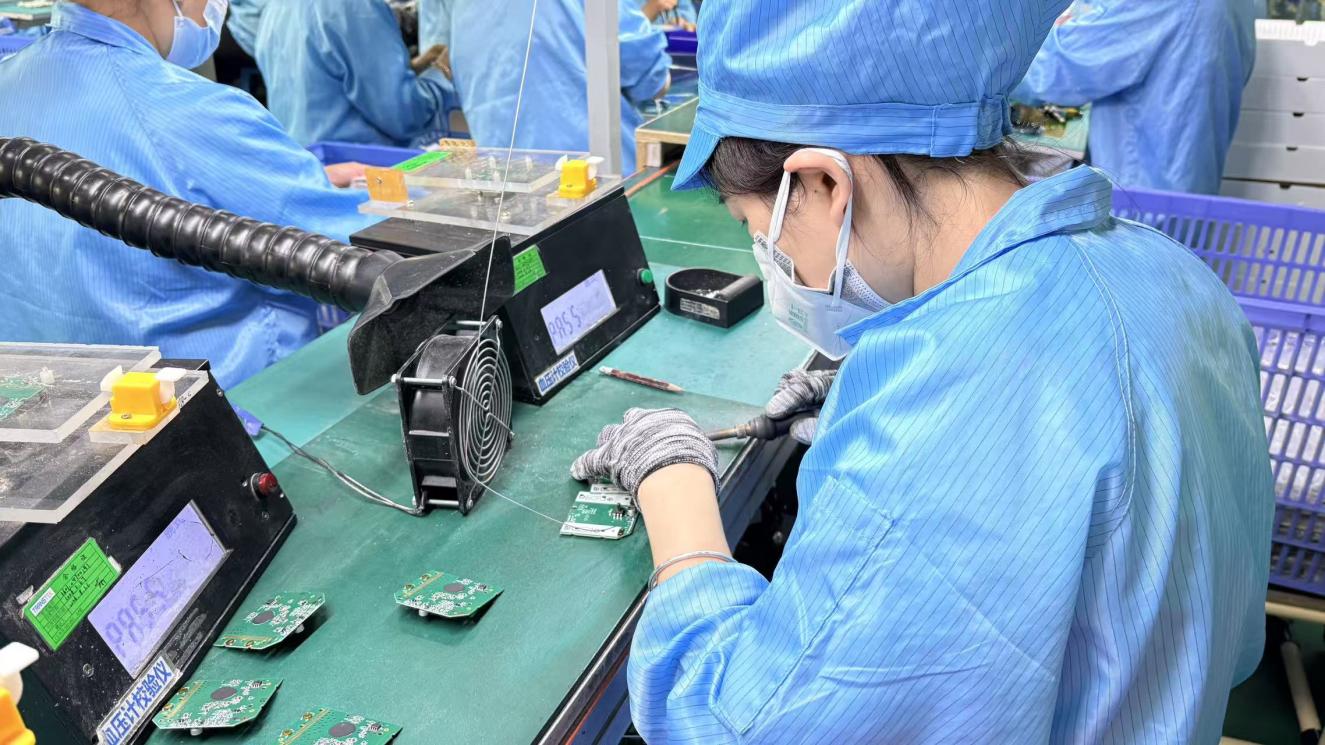
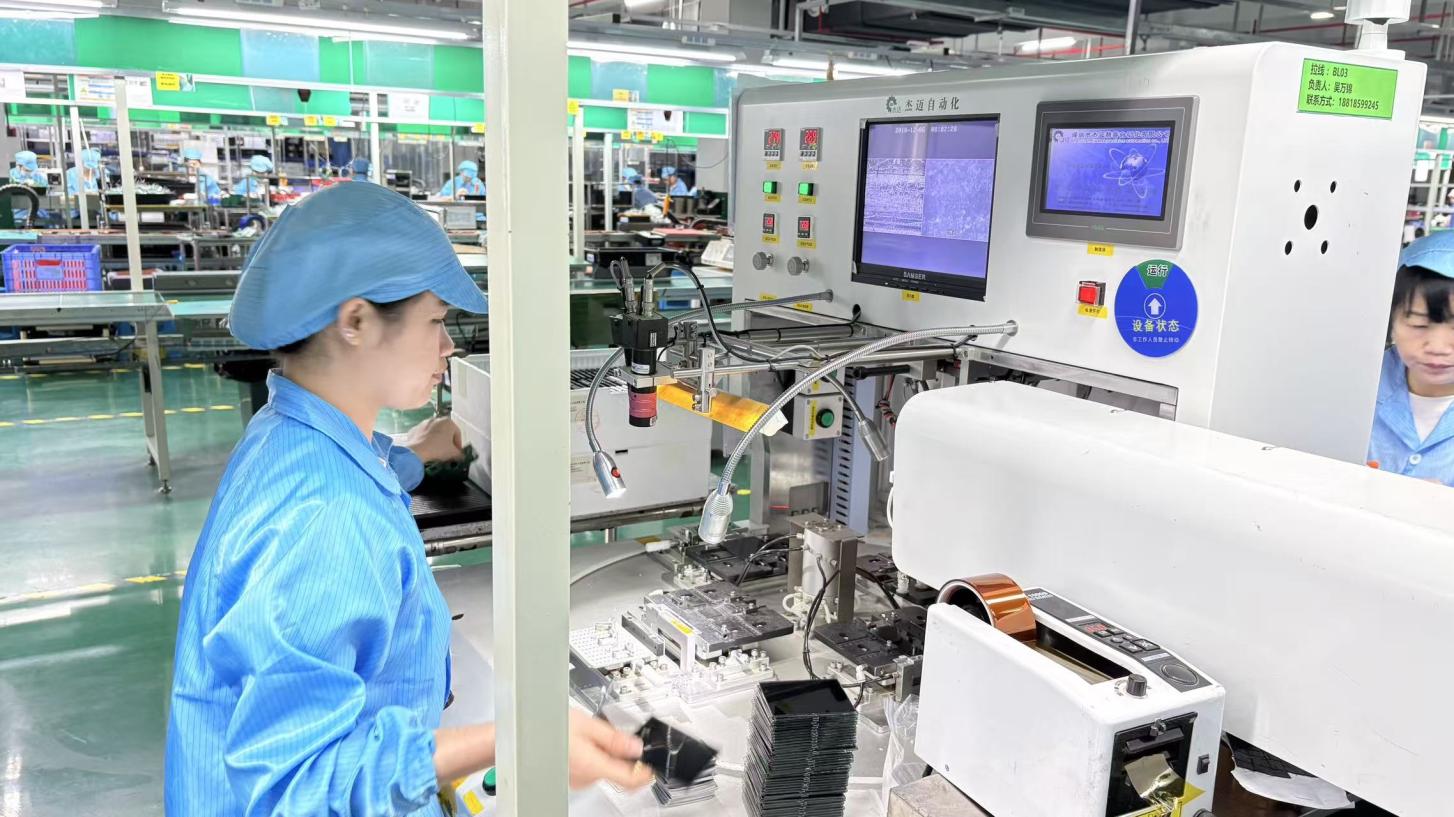
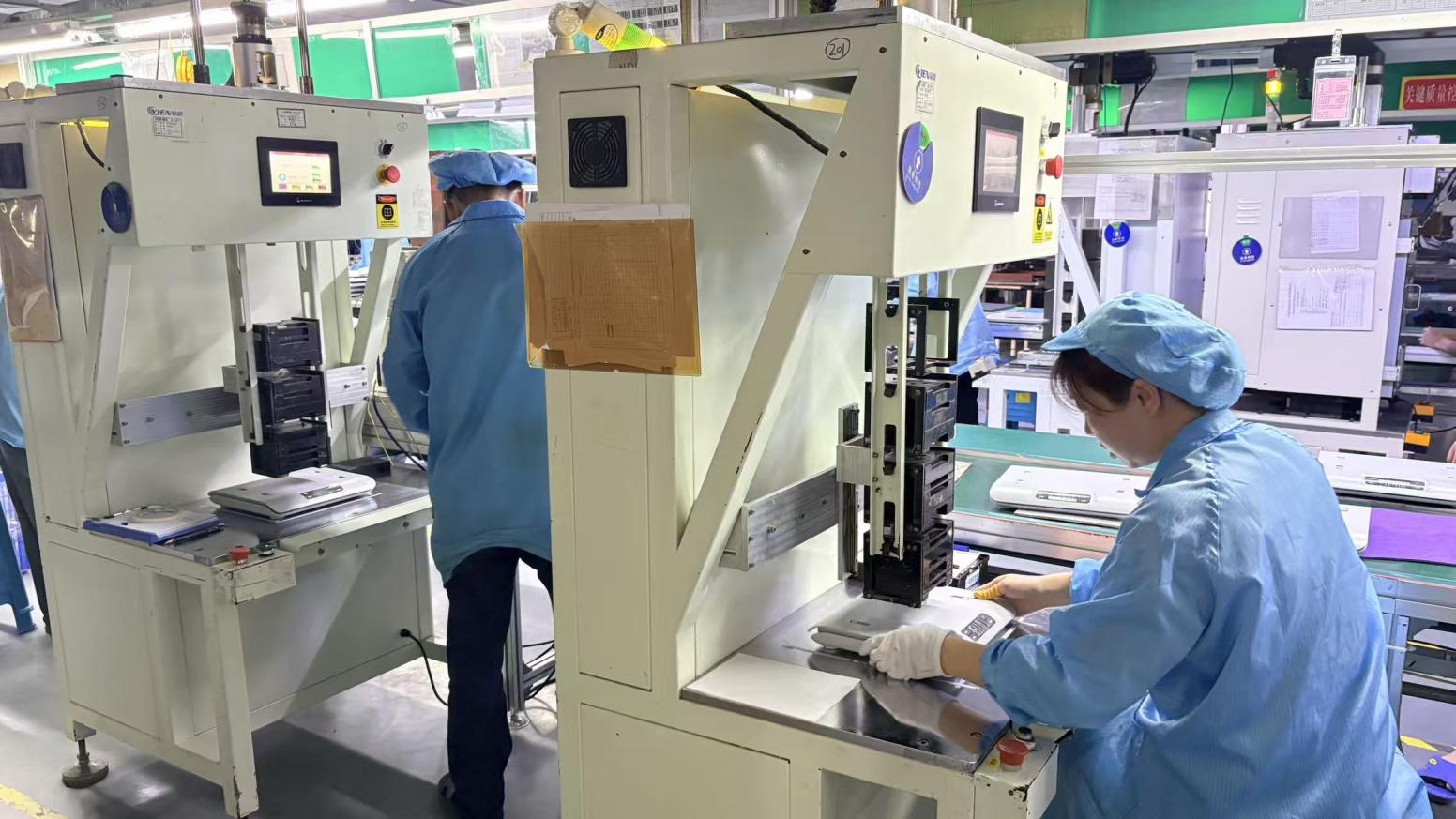
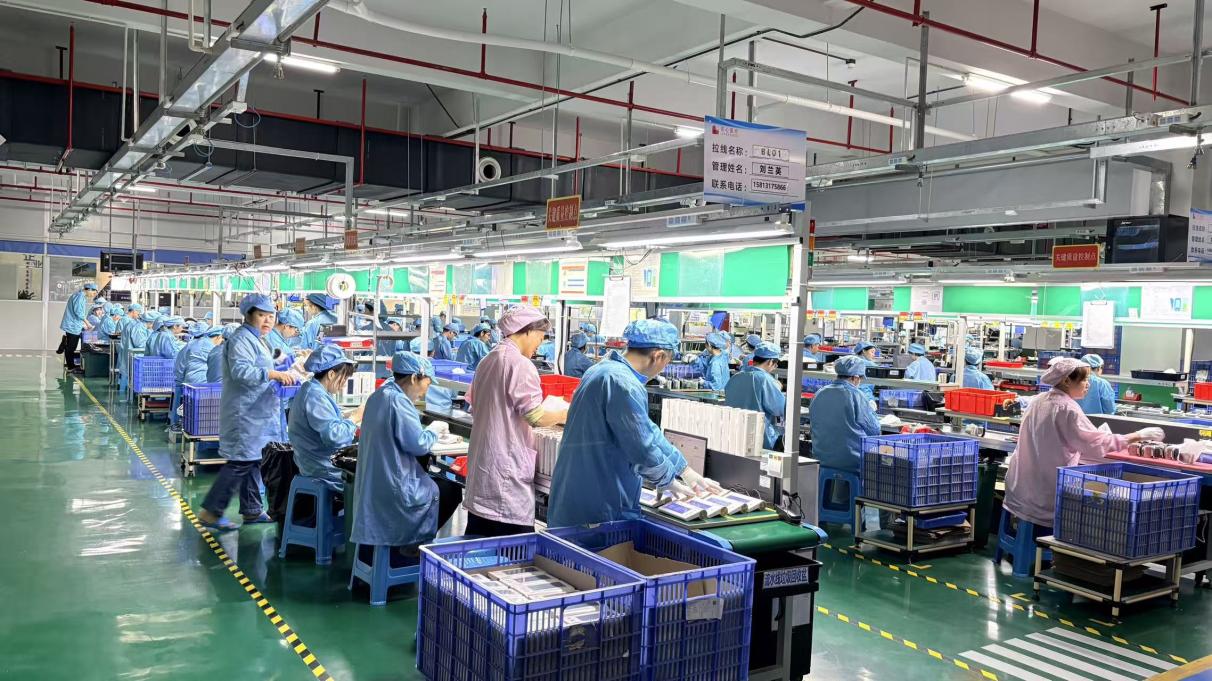
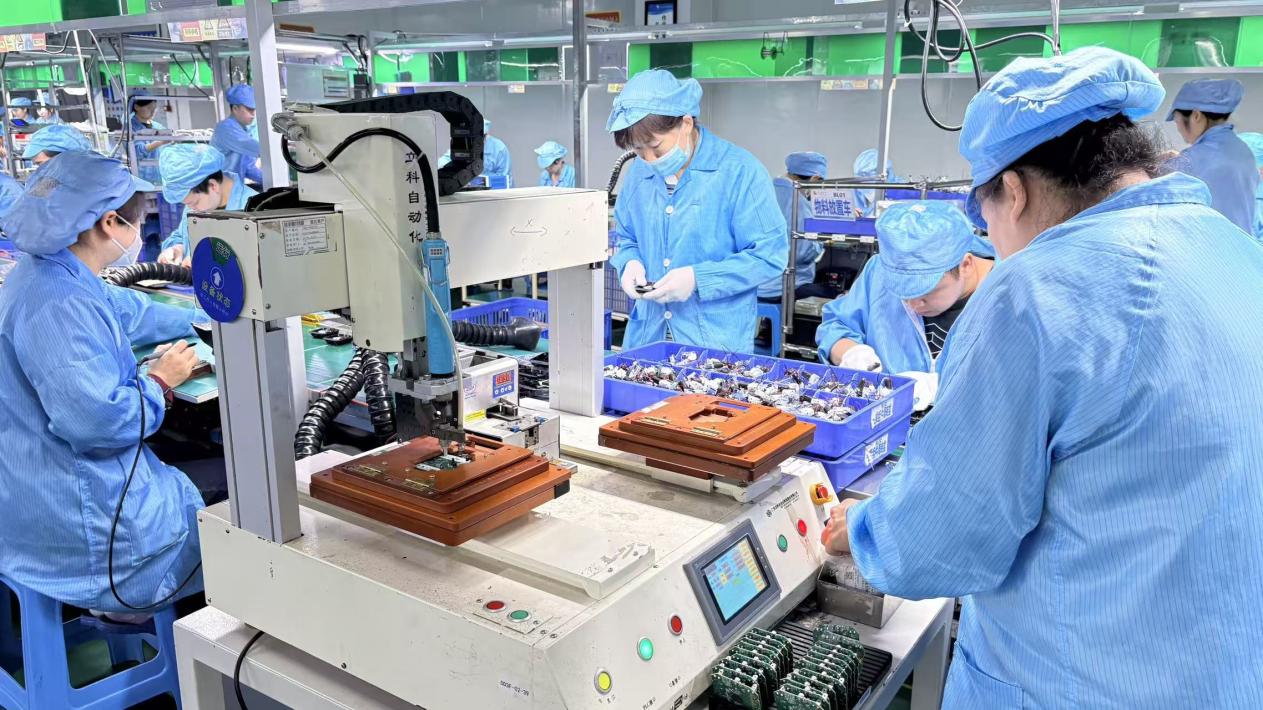
Take an inside look at our state-of-the-art Shenzhen facility. Every workstation operates under cleanroom conditions, adhering to ISO 13485 compliance workflows to deliver premium clinical-grade medical equipment.



Spirometry is utilized across multiple departments and testing scenarios. Understanding these environments helps medical distributors align device configurations with local provider preferences:
Local clinics need portable, easy-to-clean spirometers for general screenings. In these environments, quick results and user-friendly software configurations are critical to managing high patient volumes efficiently.
Industries like mining, construction, and chemical manufacturing use spirometry to monitor workers for workplace-acquired lung conditions. Devices must be rugged and support long-term trend analysis for group testing records.
Pharma organizations use spirometry to assess drug impacts. This requires high precision, compliance with international standards, and tamper-resistant raw data export (JSON/XML) for audit trials.
This technical guide addresses standard questions raised by procurement managers and distributors during product evaluations: