MaxPro Medical
MaxPro Medical
MaxPro Medical
High-precision diagnostic equipment manufactured in our certified medical assembly facilities, supplying global hospitals and clinical providers.
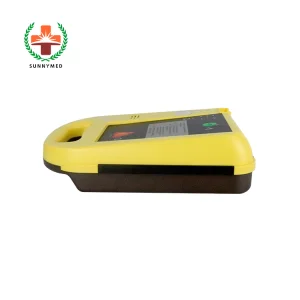
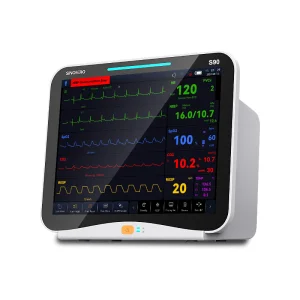
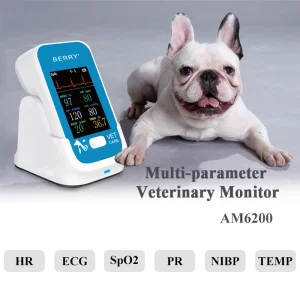
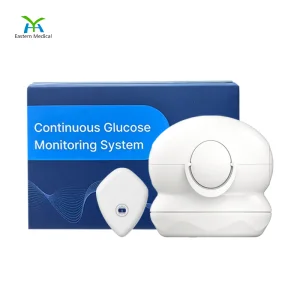
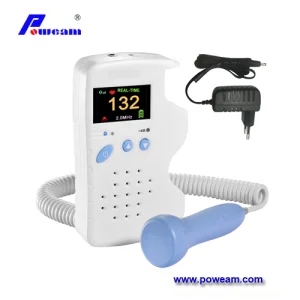
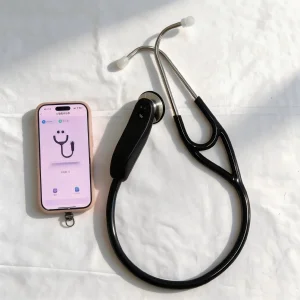

Founded in 2009, Shenzhen MaxPro Medical Co., Ltd. is a leading manufacturer specializing in advanced medical devices and chronic disease monitoring solutions. With a strong commitment to innovation, quality, and customer satisfaction, we provide reliable healthcare technologies to over 500 healthcare institutions and distributors worldwide.
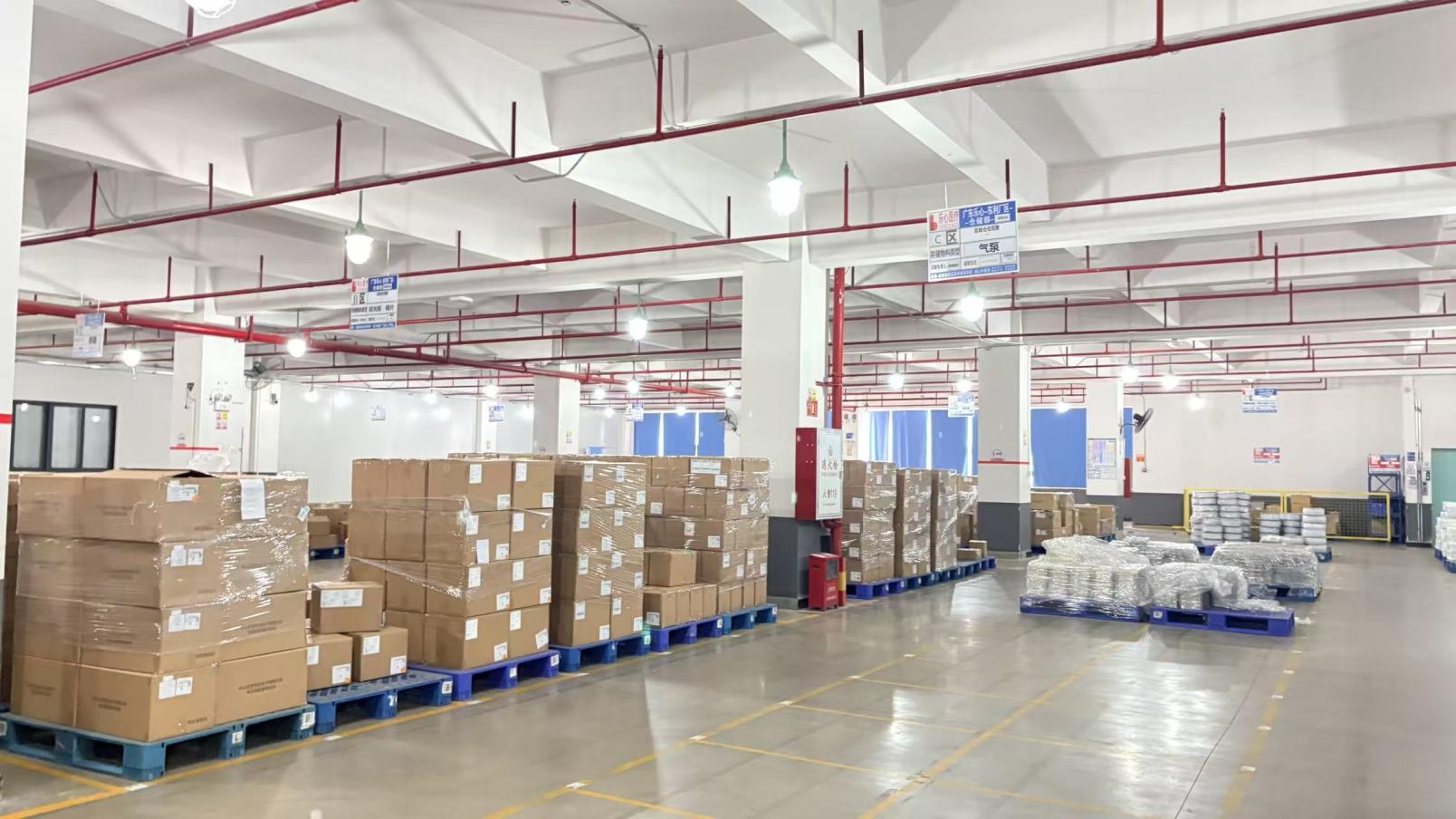
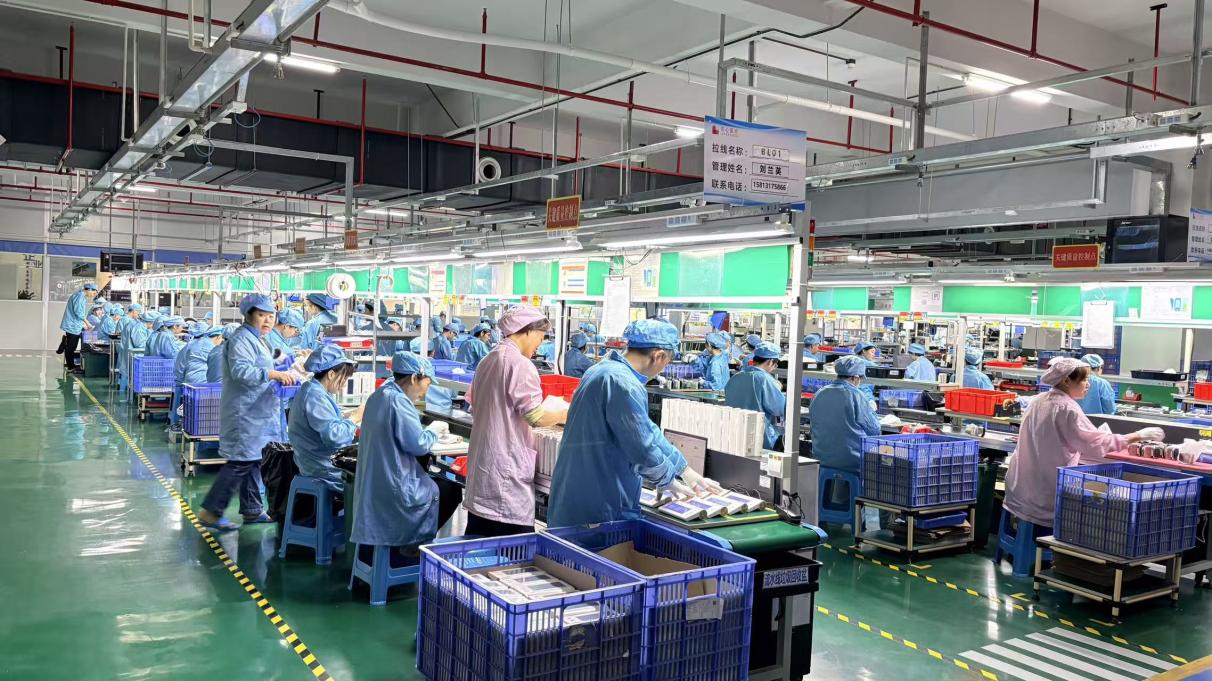
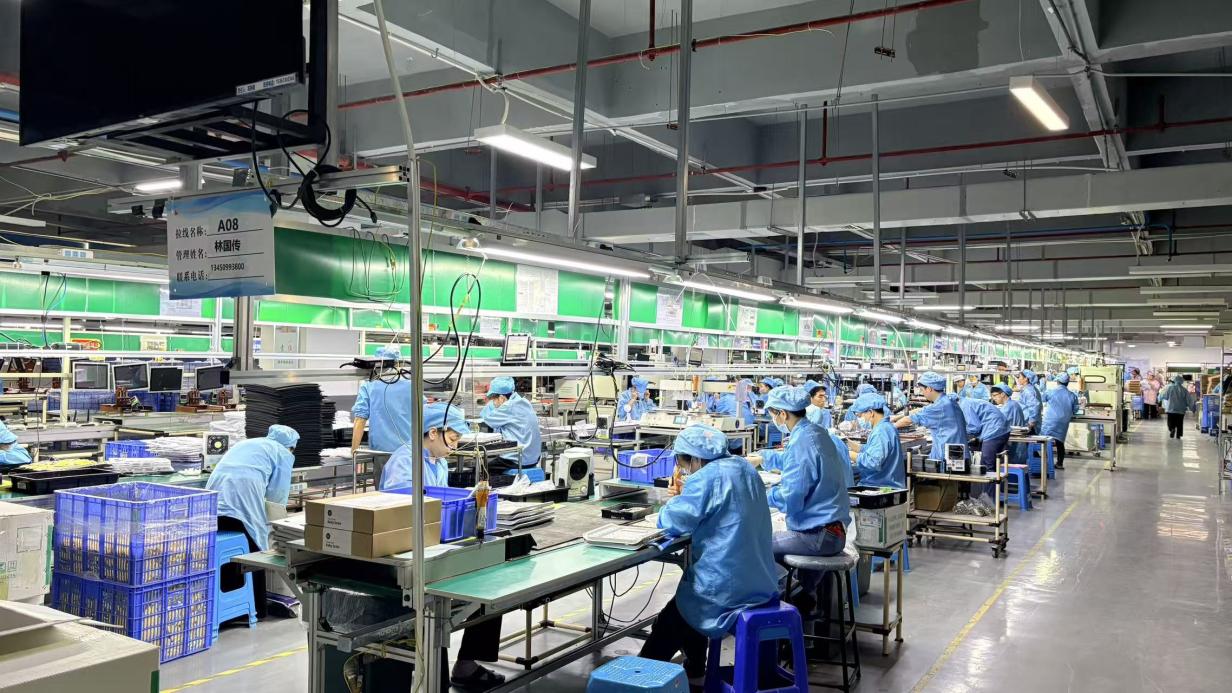
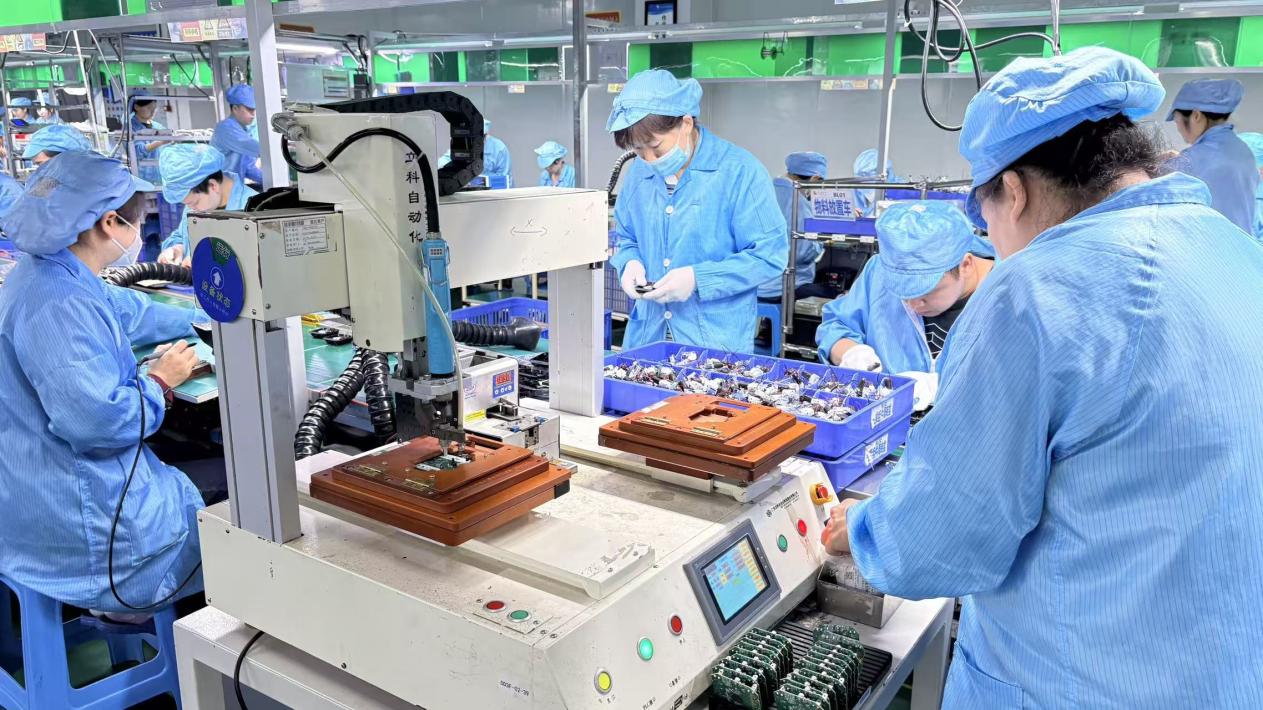
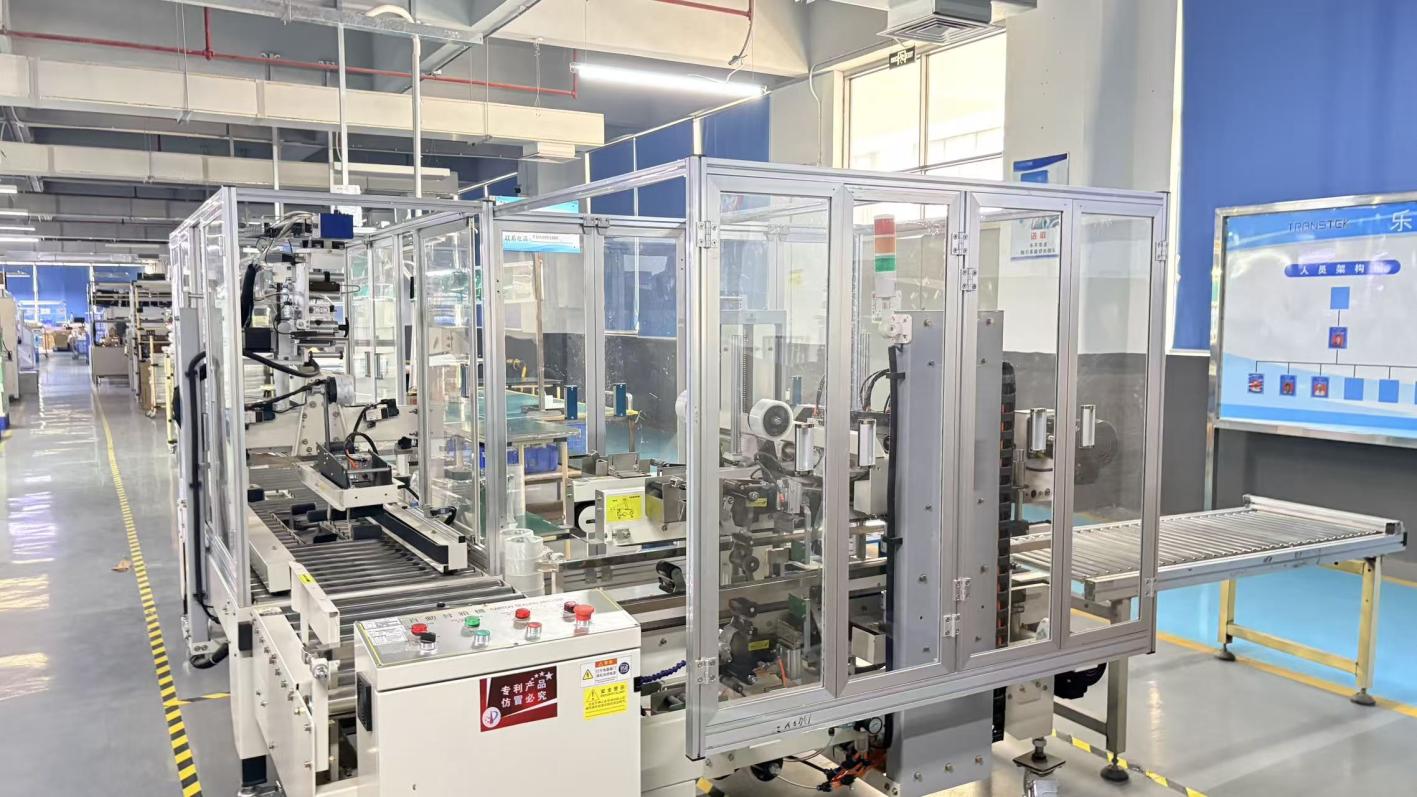
Our company operates a modern 20,000 sq ft manufacturing facility equipped with advanced production and testing systems. Certified under ISO 13485 quality management standards, all of our products comply with international medical regulations, with key products receiving FDA 510(k) clearance and CE certification.
Backed by an experienced R&D team and strict quality control processes, MaxPro Medical continuously develops accurate, user-friendly, and cost-effective medical solutions for chronic disease management, patient monitoring, rehabilitation, and home healthcare applications.
At MaxPro Medical, we uphold the core values of Quality First, Customer Focus, Innovation, Integrity, and Compliance. Our mission is to empower healthcare professionals with dependable medical technologies that improve patient outcomes and enhance healthcare efficiency worldwide.
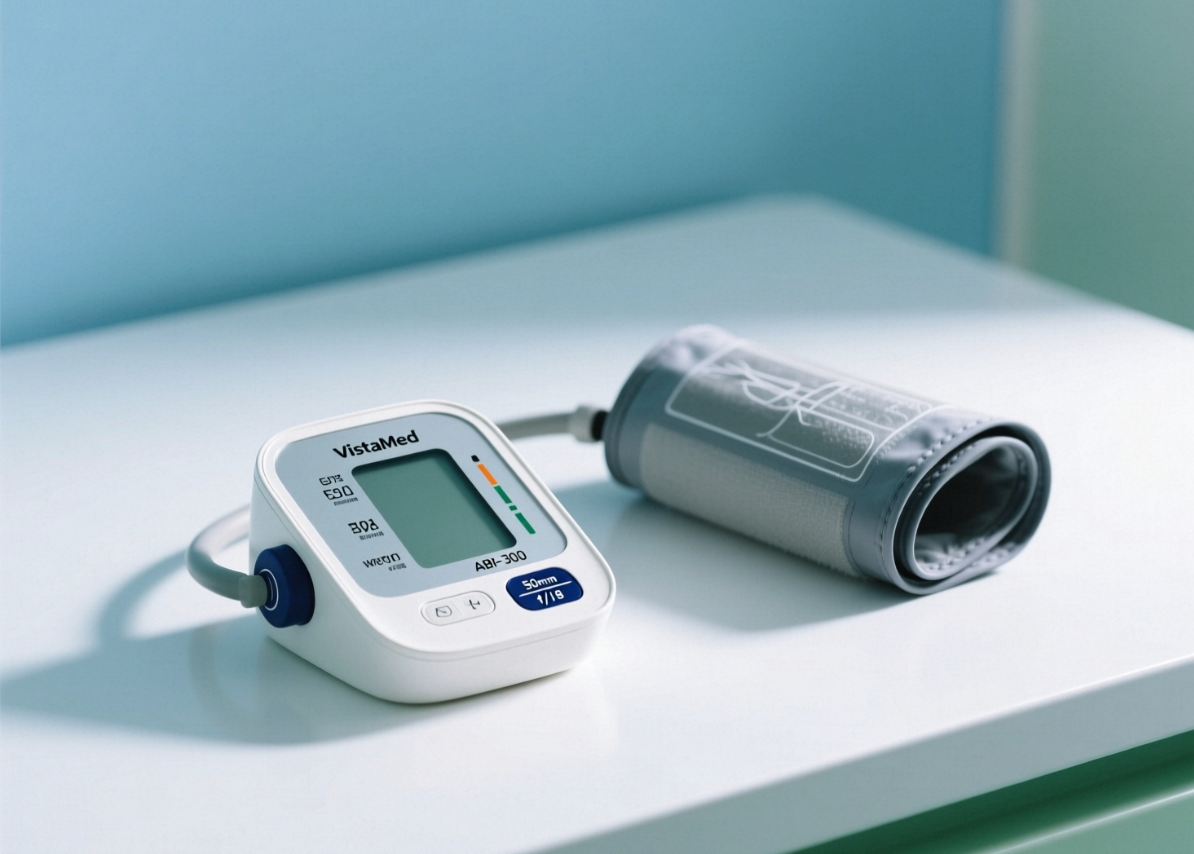
Uncompromising standards in medical manufacturing, cutting-edge R&D capabilities, and client-centric global support workflows.
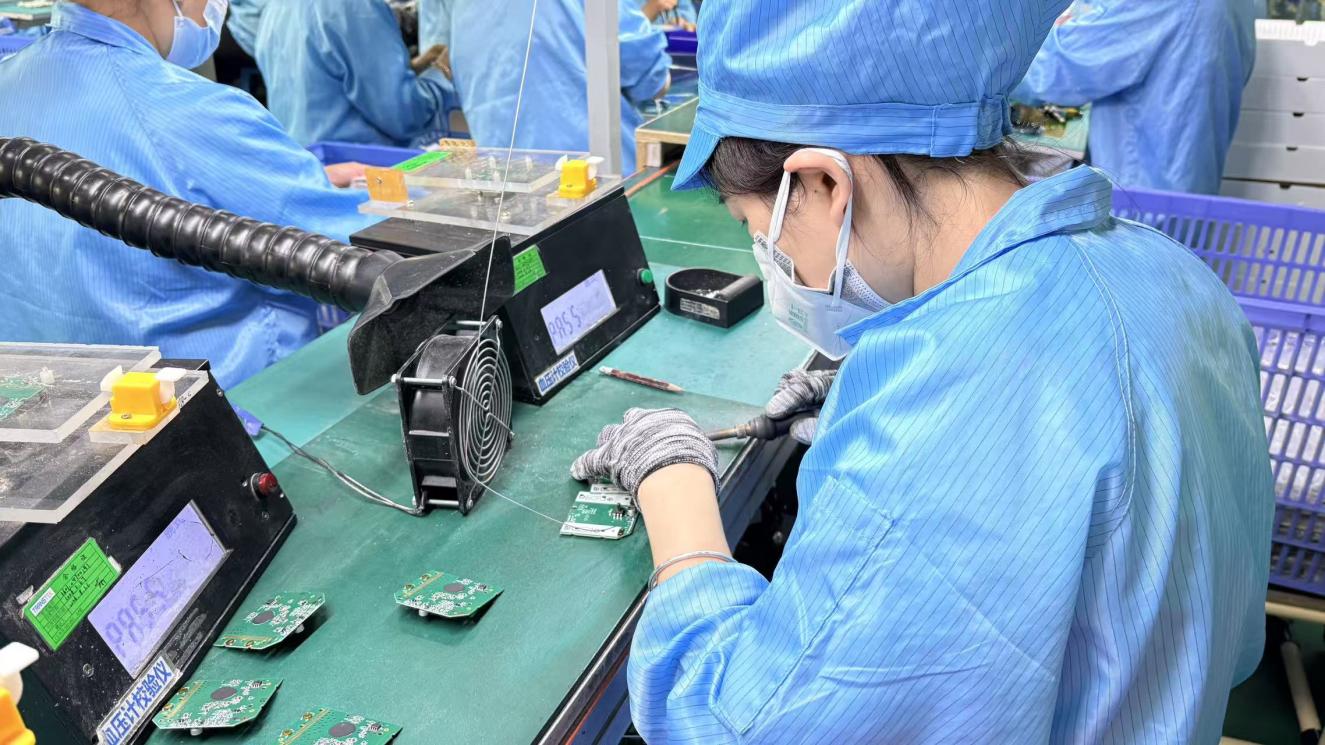
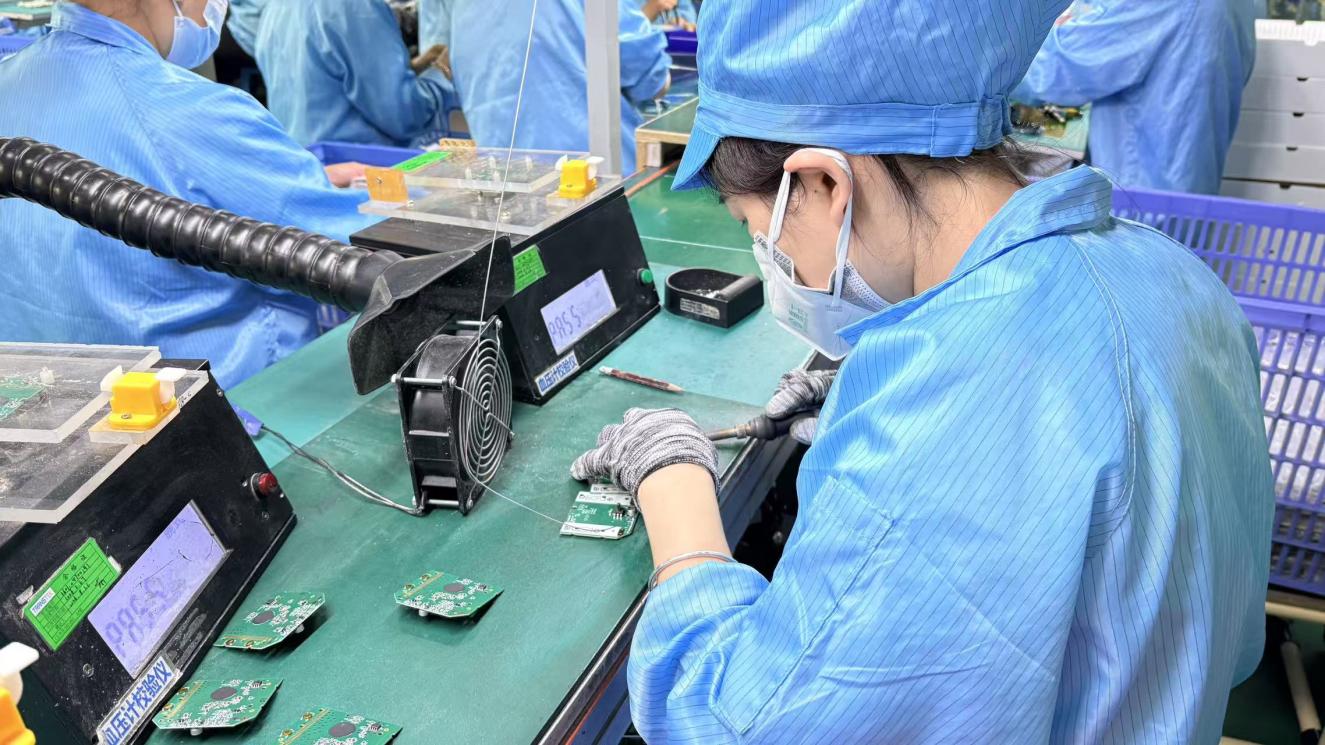
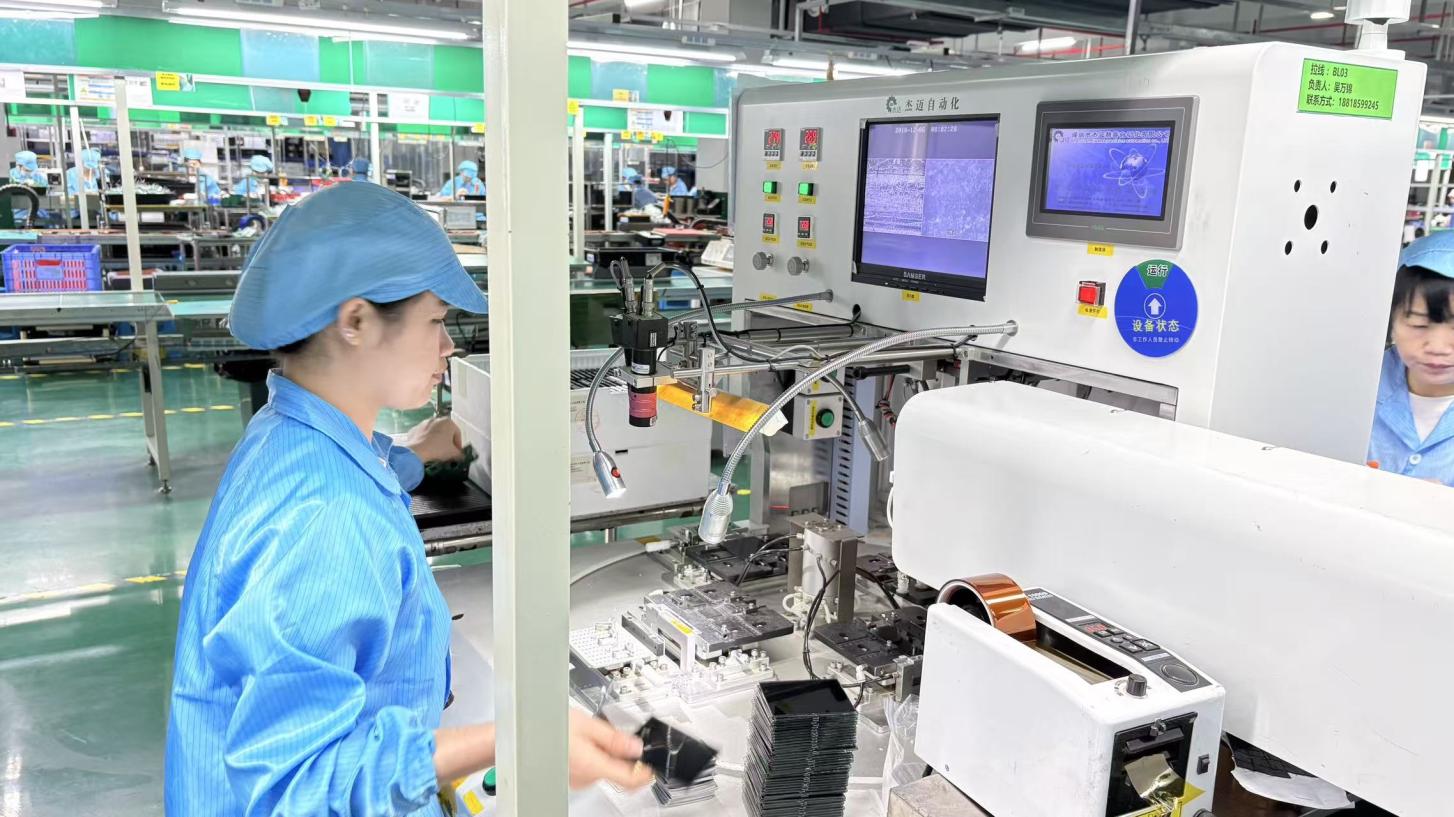
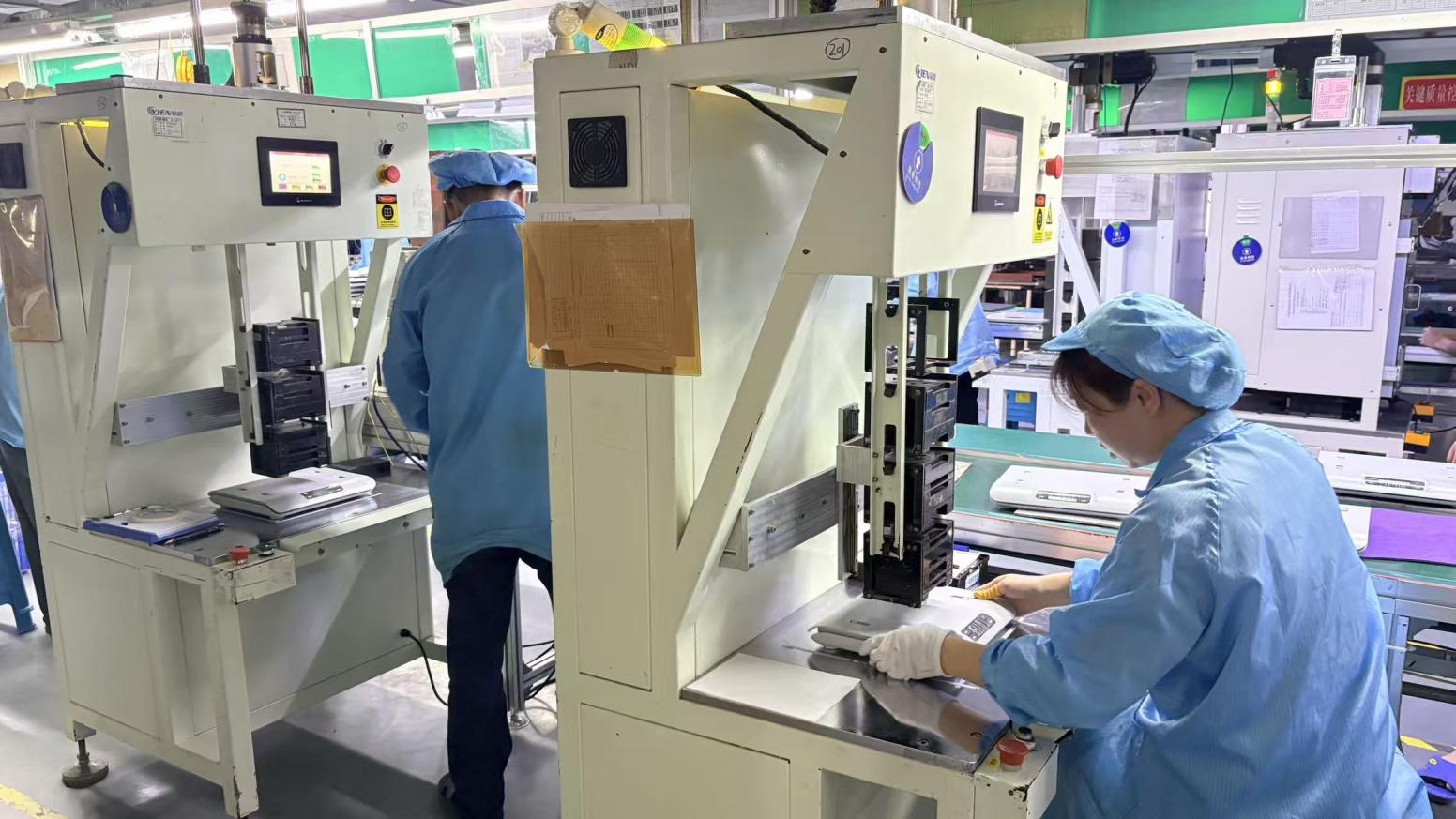
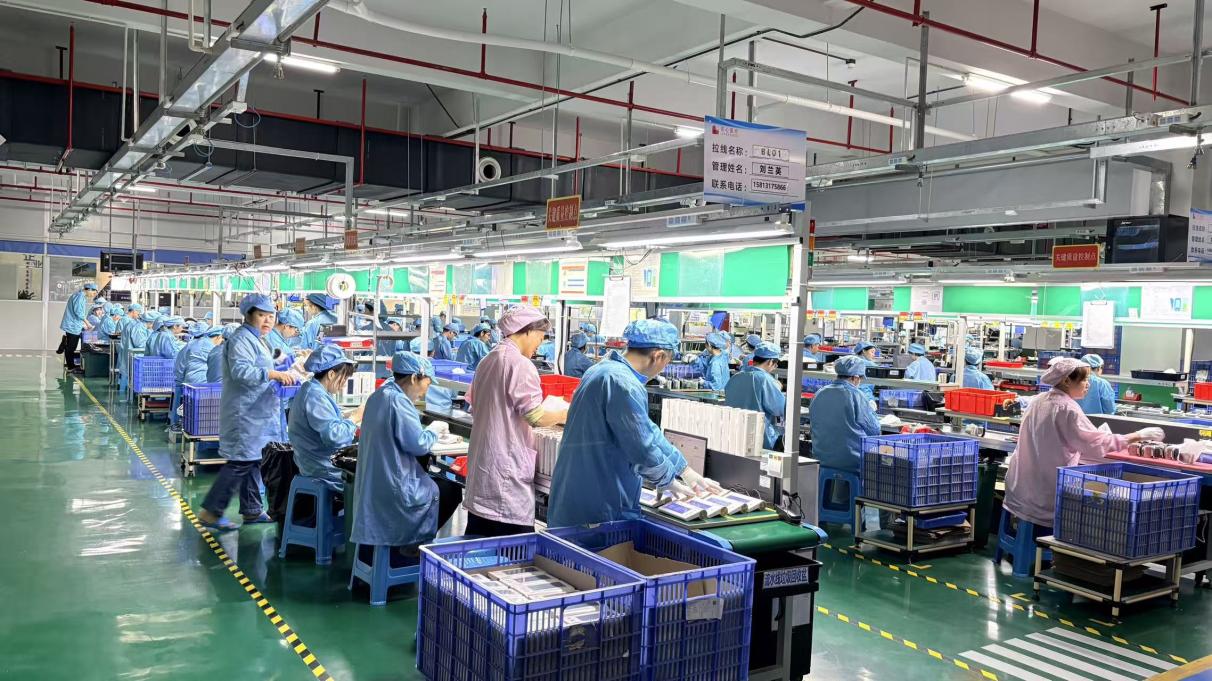
With years of experience in the medical device industry, Shenzhen MaxPro Medical Co., Ltd. has built long-term partnerships with healthcare providers, distributors, and medical institutions around the world. Our products are widely recognized for their stable performance, reliable quality, and user-friendly design. We operate a modern manufacturing facility supported by strict quality management systems to ensure consistent production standards and dependable delivery performance. From raw material sourcing to final product inspection, every process is carefully controlled to meet international medical industry requirements.
MaxPro Medical places strong emphasis on regulatory compliance and product safety. Our manufacturing system is certified under ISO 13485 standards, and selected products have obtained FDA 510(k) clearance and CE certification, ensuring compliance with global market requirements. Innovation is at the core of our development strategy. Supported by a professional R&D and engineering team, we continuously improve our technologies and provide flexible OEM and ODM solutions tailored to customer needs. In addition, our dedicated customer service and technical support teams are always ready to provide fast and professional assistance, helping clients achieve efficient and reliable healthcare solutions with confidence.


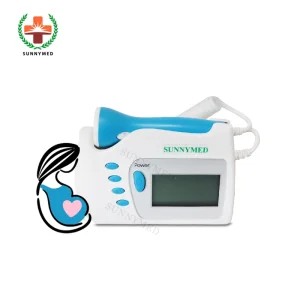
The global healthcare landscape is experiencing an unprecedented structural transition towards decentralized patient-centered diagnostics and real-time intervention workflows. Fetal heart rate monitors are a critical element in clinical obstetrics, serving as the first line of defense against intrapartum hypoxia, congenital complications, and structural distress. This comprehensive whitepaper provides an analytical exploration of modern FHR technologies, examining industry solutions, international regulations, structural OEM/ODM frameworks, and engineering parameters that define world-class medical devices.
In modern obstetrics, the implementation of comprehensive Fetal Heart Rate (FHR) monitoring solutions acts as a core operational standard across national health infrastructures. As global populations place higher demands on maternal and infant care, clinics are seeking integrated ecosystems that merge diagnostic hardware with intelligent analytical software. Today's macro solutions are designed to address critical shortages in specialized obstetrical staff, particularly in secondary and tertiary markets.
By establishing robust telemetry systems, hospitals can transition from localized bedside monitoring to continuous ward-wide tracking networks. Advanced Fetal Monitoring Central Stations utilize centralized servers that collect Doppler ultrasound signals and uterine contraction data from multiple beds simultaneously. This minimizes clinical fatigue and maximizes early detection accuracy. Using digital signal routing, vital health waveforms are integrated directly into hospital Electronic Health Record (EHR) databases, promoting data continuity and streamlining operational auditing processes.
“Integrated telemetry systems reduce critical event response times by up to 40% in clinical ward environments, bridging the gap between detection and neonatal intervention.”
Furthermore, modern macro solutions place significant emphasis on the remote monitoring paradigm (RPM). The rise of high-risk maternal cohorts—characterized by gestational diabetes, advanced maternal age, or preeclampsia—demands monitoring protocols that extend beyond traditional medical facilities. Decentralized maternal health programs leverage portable Doppler units equipped with cellular and cloud-connectivity, allowing outpatients to conduct prescribed heart rate measurements from home. This remote-clinical hybrid methodology mitigates maternal anxiety and decreases inpatient readmission rates.
The manufacturing and export of clinical-grade fetal monitoring solutions are heavily influenced by shifting regulatory standards and cost-efficiency requirements. In terms of commercial trade, the demand for diagnostic equipment is split between high-precision, multi-parameter clinical systems used in Western hospitals and cost-effective, portable devices favored by developing healthcare systems in Latin America, Southeast Asia, and Africa.
As a prominent medical device manufacturer located in Shenzhen, MaxPro Medical operates at the center of the global medical technology supply chain. The region's industrial ecosystem provides unparalleled access to high-precision sensor systems, biocompatible materials, advanced microprocessors, and rapid prototype facilities. This allows us to optimize production costs while ensuring our products meet international quality standards.
In the business-to-business (B2B) medical sector, distributors and brand owners increasingly rely on OEM (Original Equipment Manufacturer) and ODM (Original Design Manufacturer) partnerships. These models allow regional brands to skip the costly and lengthy R&D phases, leveraging our pre-certified hardware platforms to bring products to market faster. Our modern 20,000 sq ft manufacturing facility features automated production and quality testing equipment, ensuring consistent output and prompt order fulfillment for global importers.
The underlying technology of fetal heart rate monitoring is evolving rapidly, driven by advancements in digital signal processing (DSP), sensor design, and artificial intelligence. Historically, fetal Dopplers relied on continuous wave ultrasound, which was prone to interference and manual user error. Modern clinical devices, however, use pulsed-wave Doppler technologies that operate on highly stable carrier frequencies, typically between 2.0MHz and 3.0MHz.
Our technical development roadmap is built around three core pillars:
Our algorithms capture weak fetal cardiac signals and filter out maternal heart rate signals, patient movement, and bowel sounds to deliver clean, readable data.
We design our transducer arrays with low acoustic output levels (less than 10mW/cm²) to ensure complete clinical safety for the fetus during prolonged monitoring sessions.
We are integrating ultra-low-power Bluetooth 5.2 protocols and Wi-Fi modules into our portable devices to enable seamless data transfer to clinical portals and patient apps.
Looking forward, we are actively researching the integration of AI-driven heart rate trend analysis. By processing historical cardiotocography (CTG) databases, our future diagnostic tools will be able to alert medical staff to potential fetal distress indicators before clinical symptoms manifest. Additionally, we are exploring eco-friendly materials and energy-efficient designs to support global hospital green initiatives.
The medical device industry is highly regulated, and compliance is essential for successful market entry. Operating under an ISO 13485 certified quality management system, MaxPro Medical ensures all design, raw material sourcing, and assembly workflows meet strict international standards. This commitment is vital for partners registering devices with regulatory bodies like the US FDA (510k), European Union CE (MDR), and China NMPA.
Regulatory compliance also extends to localized design requirements. For example, our electrical designs meet IEC 60601-1 (general safety) and IEC 60601-1-2 (electromagnetic compatibility) standards, which are critical for preventing interference in busy clinical environments. We also perform exhaustive biocompatibility testing (ISO 10993) on all patient-facing materials, such as transducer casings and cables, to prevent allergic reactions.
To support our global distributors, we provide localization packages that include multi-language UI software, regionalized user manuals, compliance documentation, and certified packaging. This allows our partners to streamline local customs clearance and product registrations, saving valuable time and resource costs.
Fetal monitoring solutions must be adaptable to a wide range of clinical and non-clinical environments. Understanding these specific application scenarios allows us to design more practical and reliable systems for the end-user:
By addressing these diverse scenarios, MaxPro Medical helps healthcare systems deliver consistent, high-quality care to patients, regardless of their location or resource constraints.
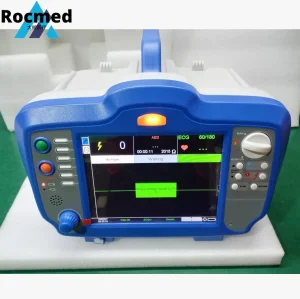
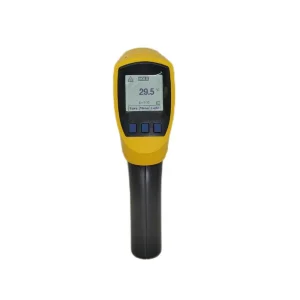
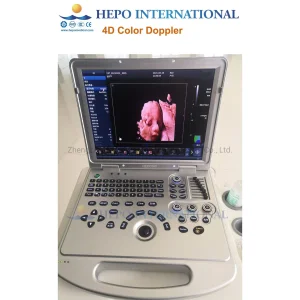
Explore our expanded medical equipment selection, including portable patient monitors, stethoscopes, and emergency devices.