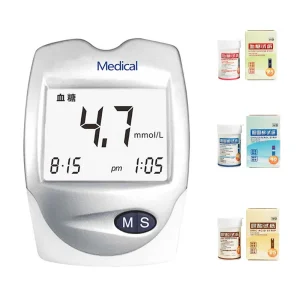
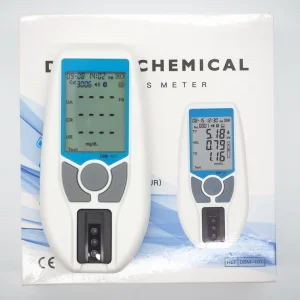
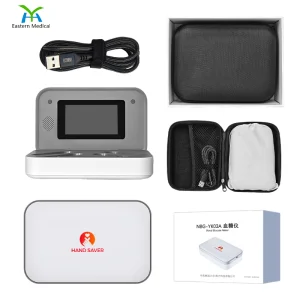
MaxPro Medical
MaxPro Medical
MaxPro Medical
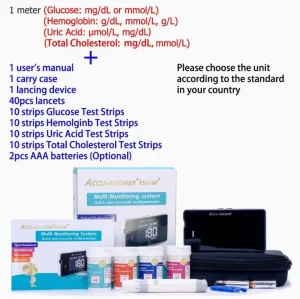
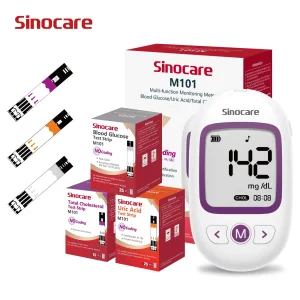
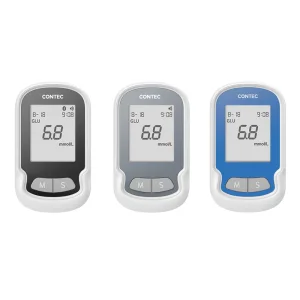
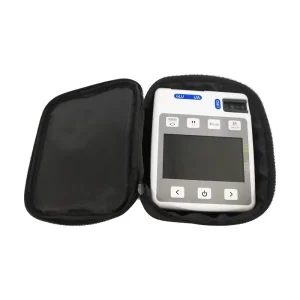
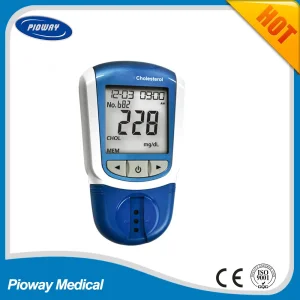
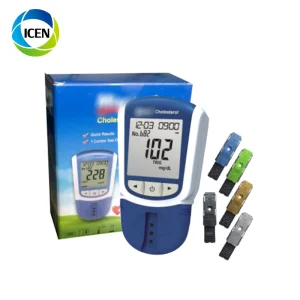
Australia’s healthcare sector is undergoing a profound digital transformation. With an aging population and a rising prevalence of chronic conditions such as cardiovascular disease, diabetes, and hyperlipidemia, the demand for accessible, professional-grade home diagnostic tools has surged. The Australian Institute of Health and Welfare (AIHW) consistently highlights cardiovascular health as a national priority. Consequently, the integration of high-accuracy, portable cholesterol meters into both clinical and domestic settings is no longer a luxury—it is a public health necessity.
As a leading exporter, MaxPro Medical recognizes the rigorous standards imposed by the Therapeutic Goods Administration (TGA) in Australia. We don't just export hardware; we export **reliability**. Our systems are engineered to facilitate early detection, empowering patients and general practitioners (GPs) to manage blood lipid profiles proactively, reducing the long-term burden on the Medicare system.
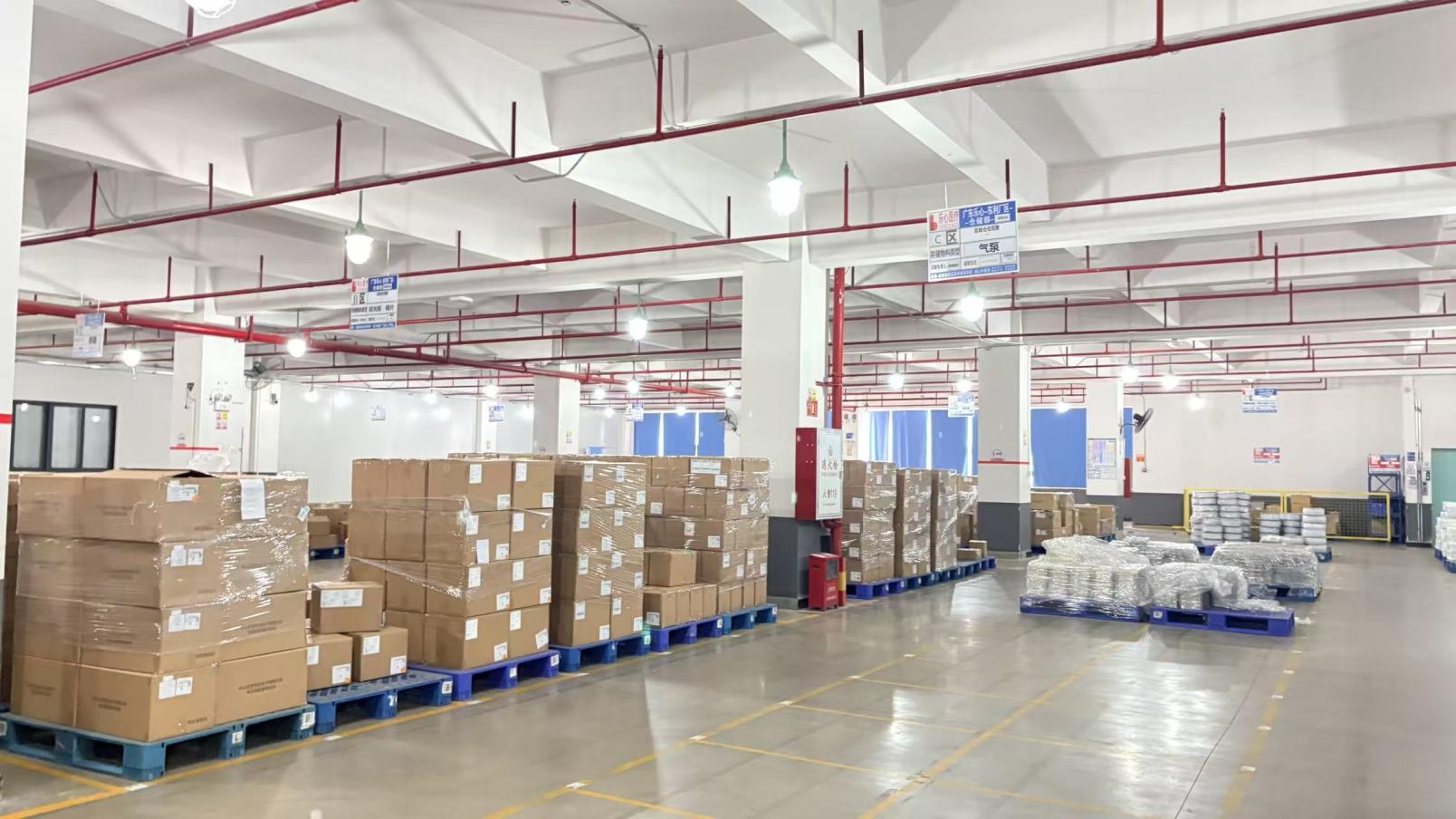
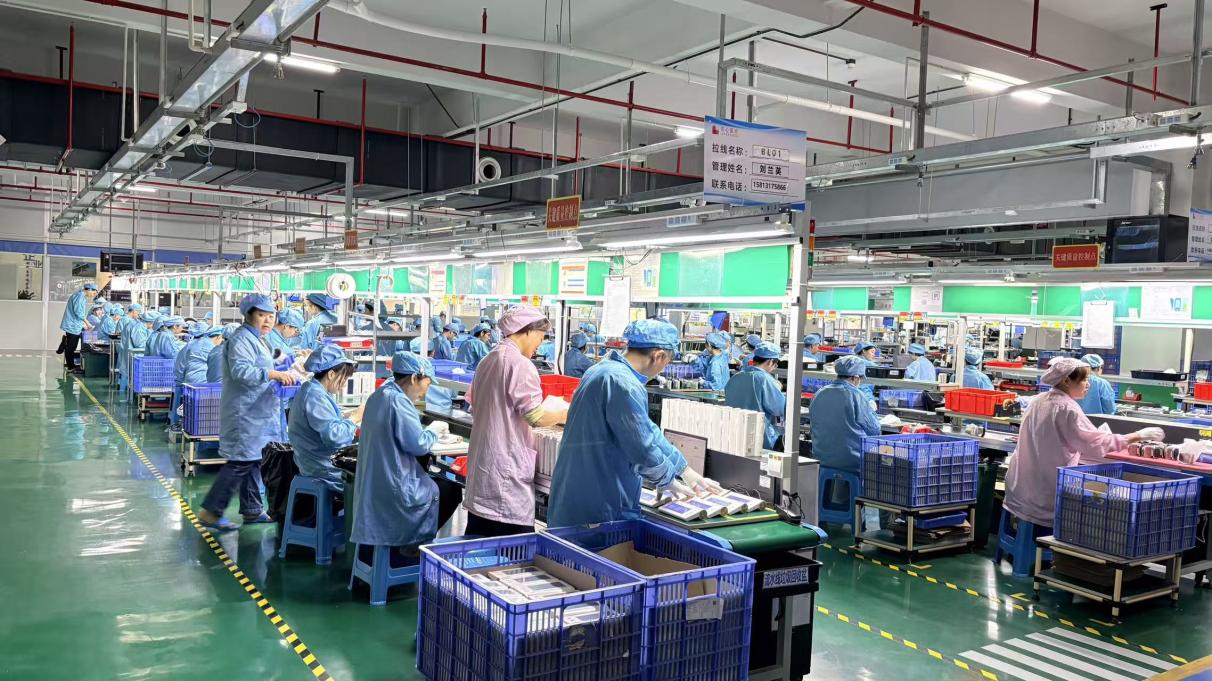
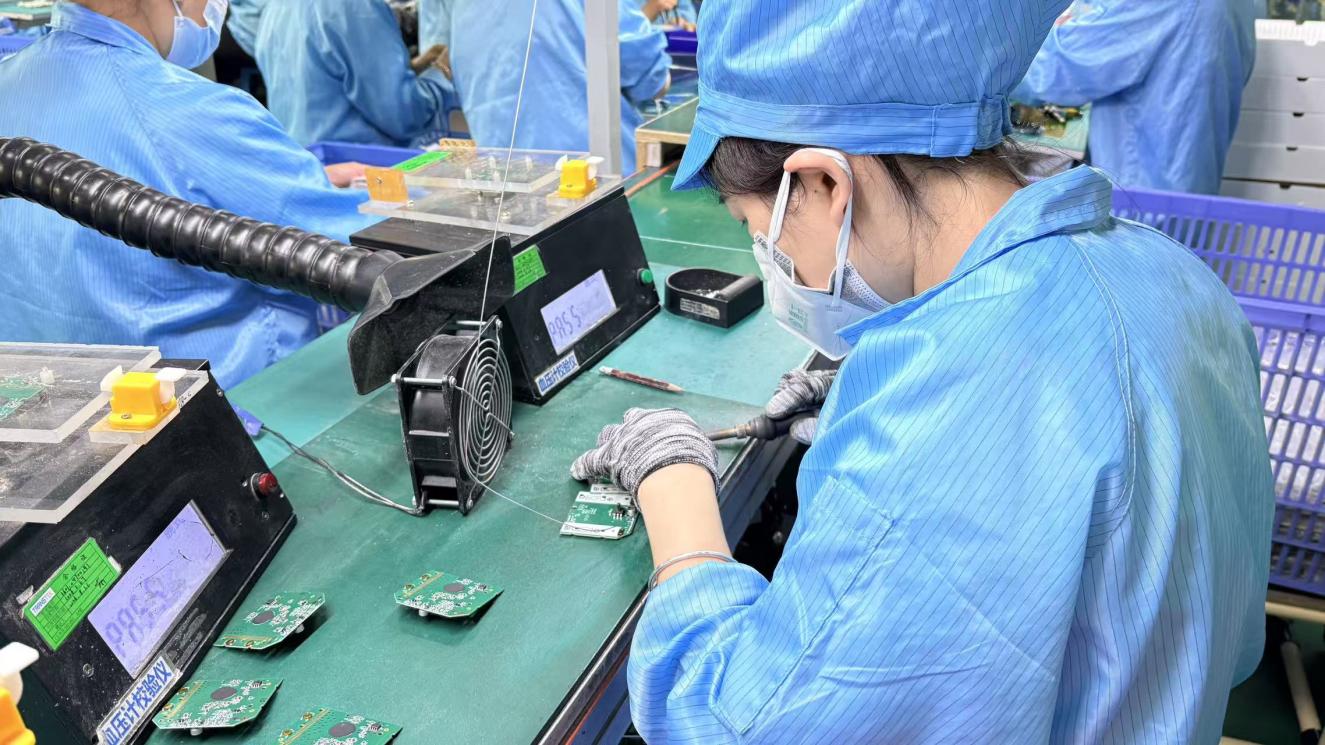
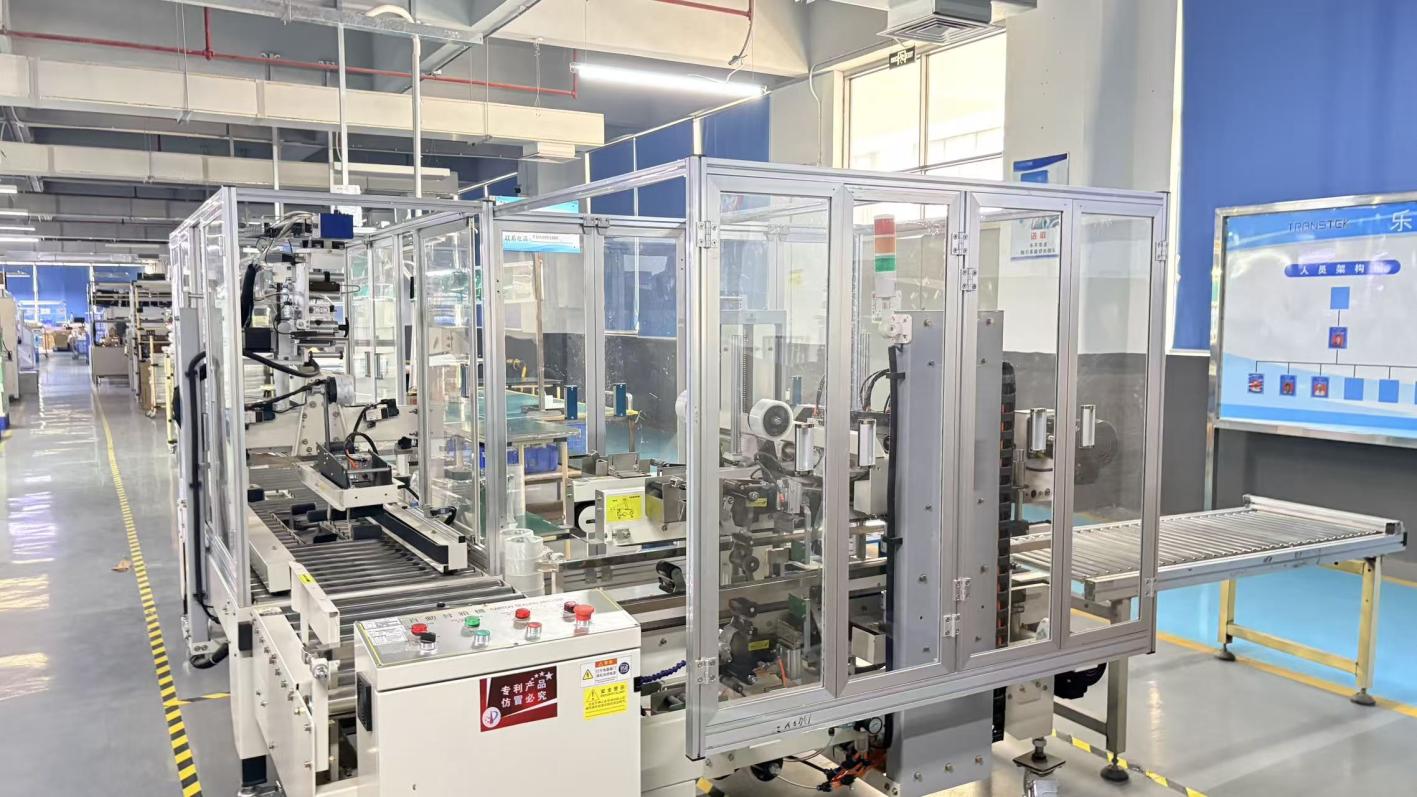
The "Made in China" label has evolved into "Created in China" via the Industry 4.0 initiative. At Shenzhen MaxPro Medical, we have integrated Industrial Internet of Things (IIoT), automated optical inspection (AOI), and AI-driven precision assembly lines. This is not merely about scaling production; it is about achieving Supply Chain Resilience.
Why Australia Chooses Our Factory:
Founded in 2009, Shenzhen MaxPro Medical Co., Ltd. is a leading manufacturer specializing in advanced medical devices and chronic disease monitoring solutions. We serve over 500 healthcare institutions globally, with a specific focus on customizing solutions for diverse international markets.
We pride ourselves on an R&D-centric culture. Our engineering team comprises experts in biosensing technology and data analytics, ensuring that our meters are not just simple reading devices, but integrated health monitoring companions. By prioritizing Quality First, Customer Focus, and Innovation, we empower healthcare professionals worldwide to deliver better patient outcomes.
Yes. MaxPro Medical products are manufactured under ISO 13485 standards. We provide full documentation and assistance for clients navigating local regulatory compliance, ensuring our products meet necessary safety and performance certifications for the Australian market.
We utilize advanced electrochemical biosensing technology. Our meters are calibrated against laboratory-grade clinical standards, featuring advanced algorithms to minimize interference from common substances like ascorbic acid or uric acid.
We offer flexible OEM/ODM solutions. Please contact our team through the inquiry button; we are experienced in handling bulk institutional orders and smaller distributor-level procurement.