🚀 Product Description
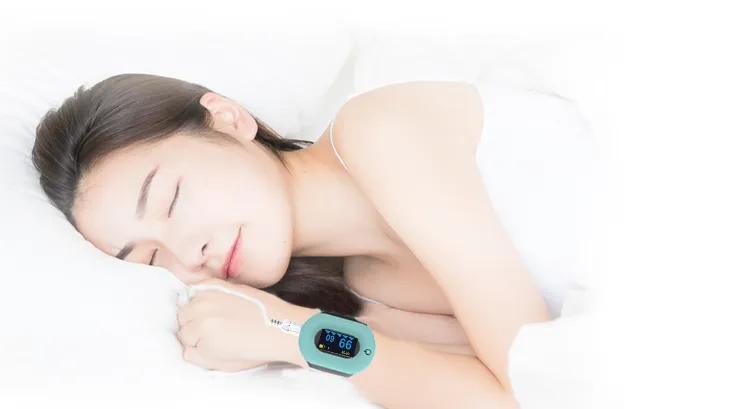
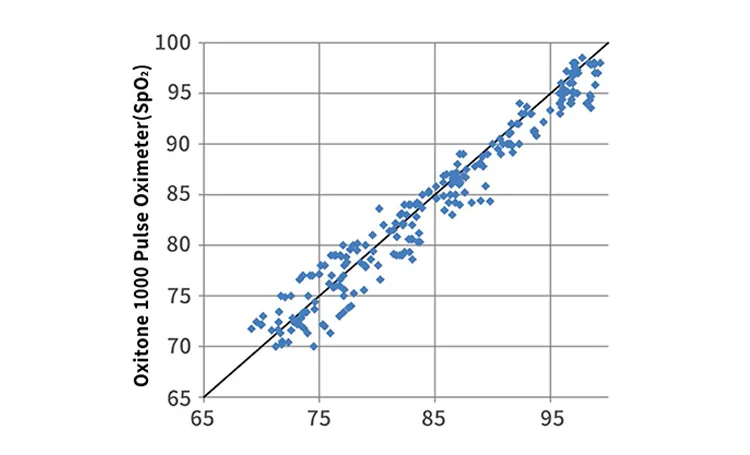
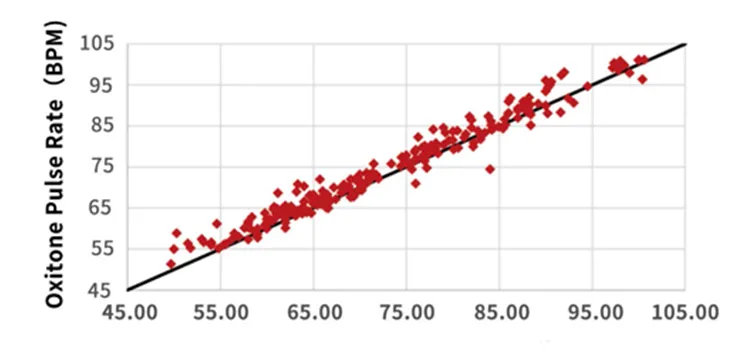
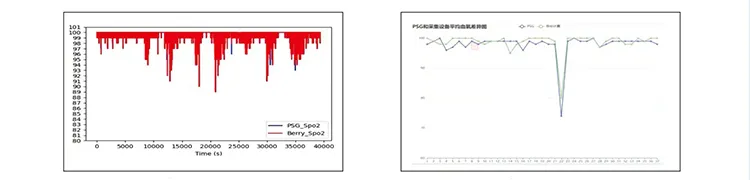
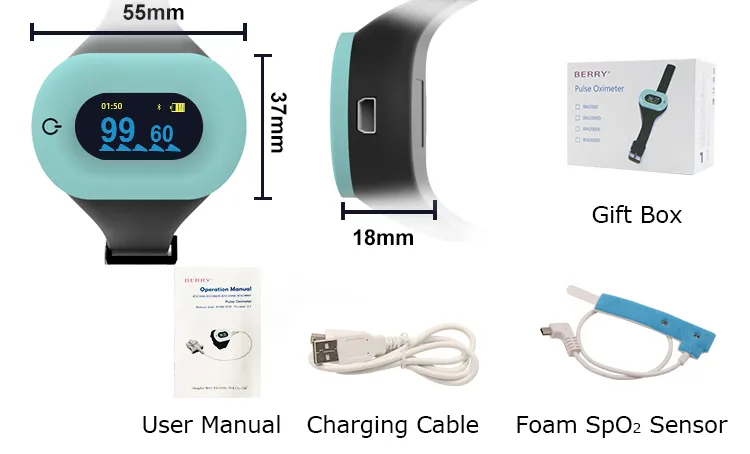
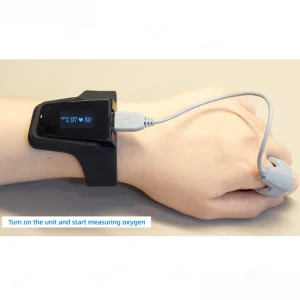
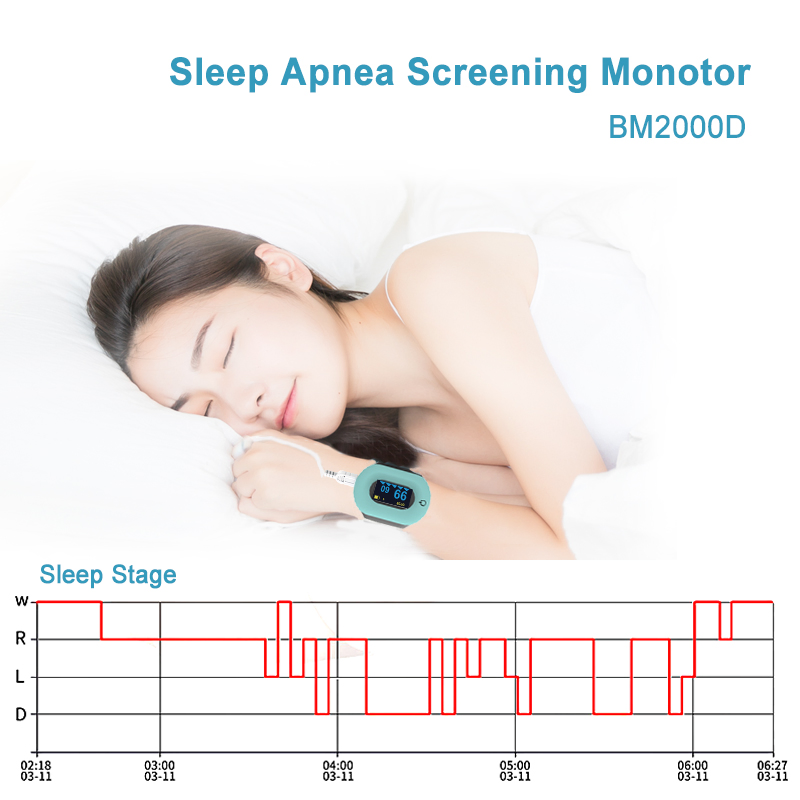
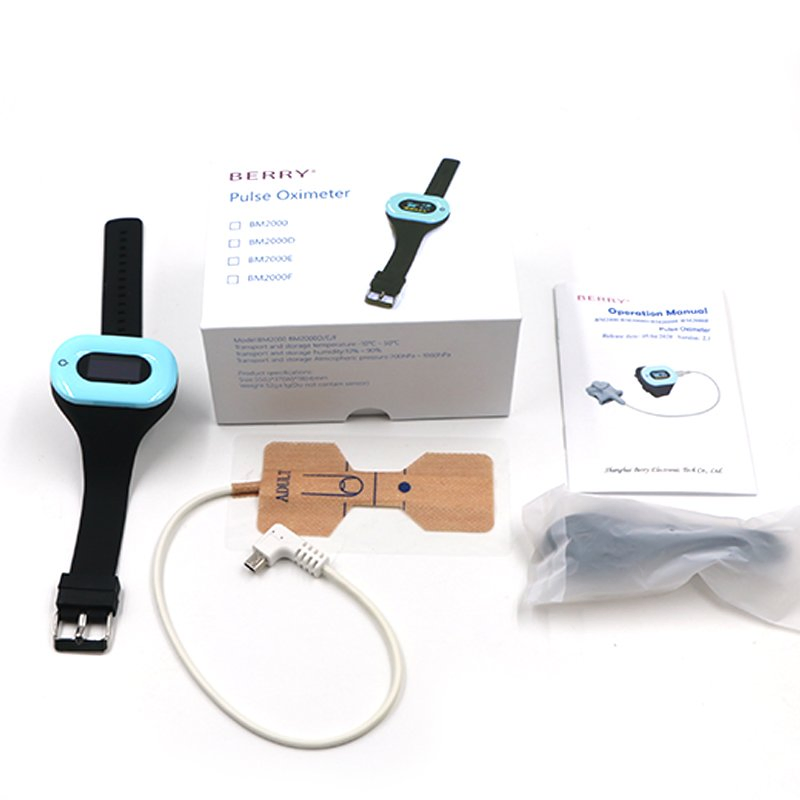
BM2000D Sleep monitoring system is specifically designed for sleep hypopnea syndrome monitoring. It accurately captures pulse signals and has been validated through extensive clinical trials, meeting high standards for blood oxygen and pulse rate measurements.
⭐ Major Features
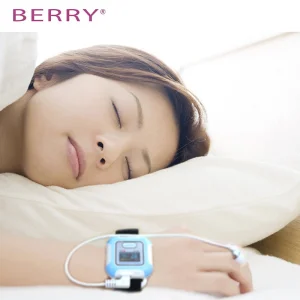
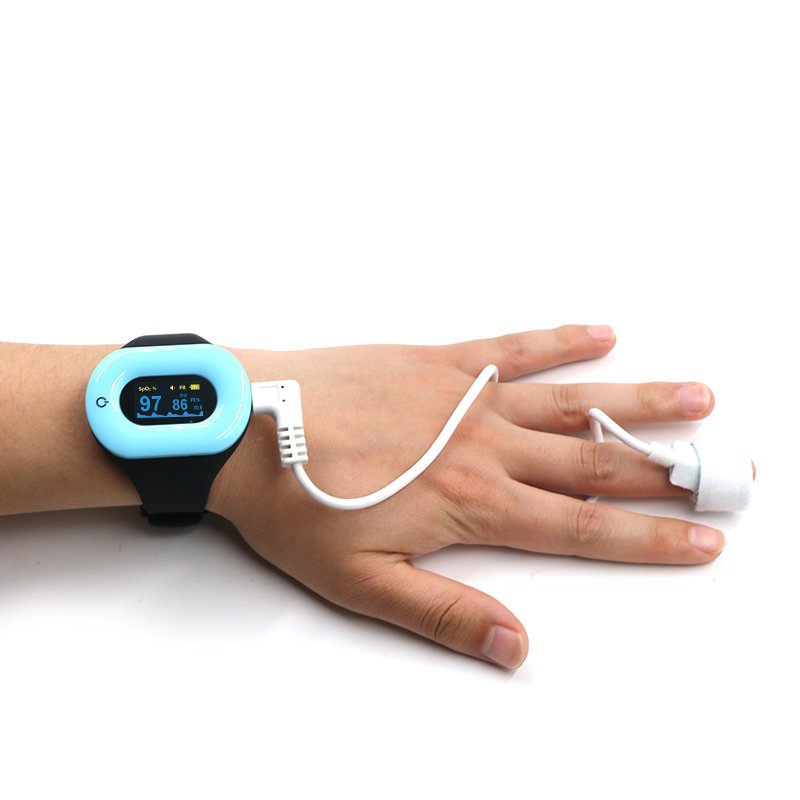
- Portable Design: Watch-type and lightweight for comfortable overnight use.
- One-Touch Operation: Simple and convenient access to all functions with a single button.
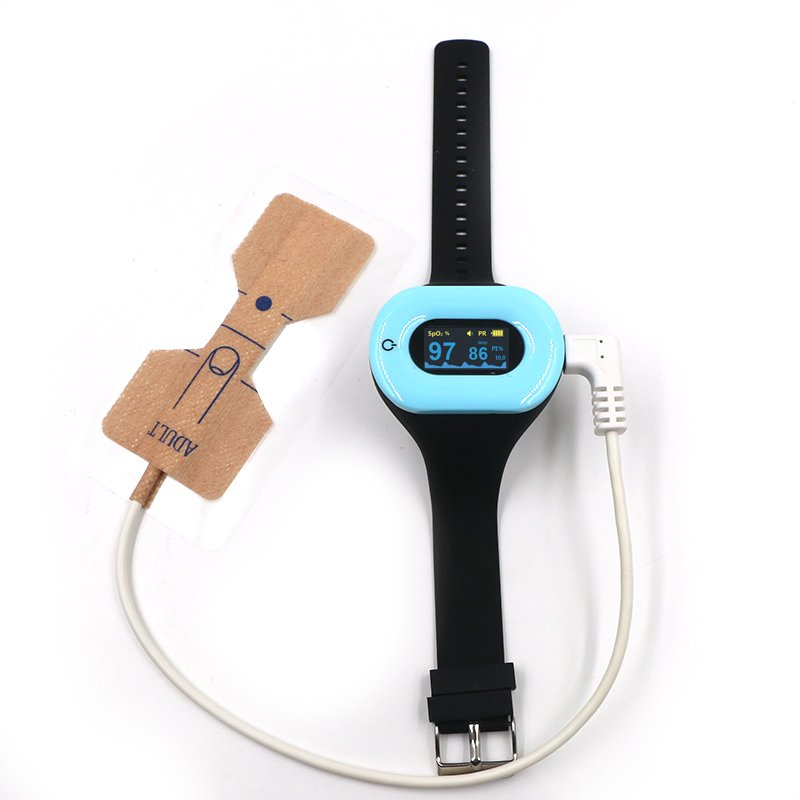
- OLED Display: Clear color display showing SpO2, Pulse Rate, Plethysmogram, and battery status.
- High Efficiency: Built-in 3.7V rechargeable lithium battery lasting up to 24 hours.
- Smart Power: Auto screen-off after 30s and auto-shutdown after 10 minutes of inactivity.
- High Accuracy: Reliable performance even under low perfusion conditions.
⚙️ Operation Process
1 Download the SmartHealth APP from Google Play or Apple Store.
2 Wear the equipment for at least 6 hours of sleep monitoring.
3 Wrap the foam SpO2 sensor securely around your fingertip.
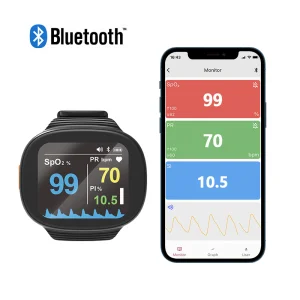
4 Data is automatically transferred to your mobile phone via Bluetooth.
5 Review and share your detailed sleep report on the phone.
❓ Frequently Asked Questions
Q1: How long does the battery last on a single charge?
The built-in 3.7V rechargeable lithium battery can last up to 24 hours of continuous monitoring.
Q2: Is this device suitable for children?
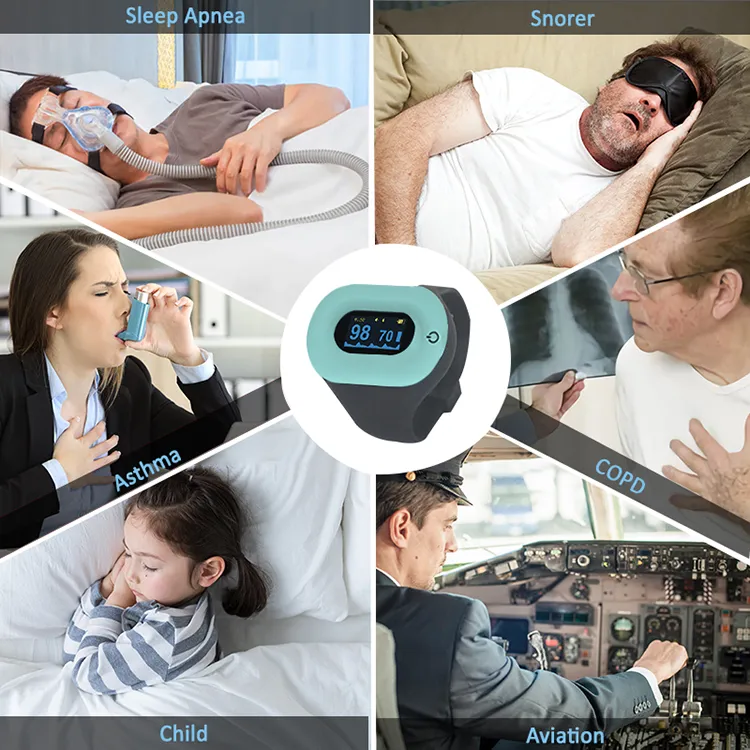
Yes, the device is designed for all age groups, including children, adults, and the elderly.
Q3: How do I view my sleep reports?
The data is transferred via Bluetooth to a dedicated mobile app, where you can view detailed reports and analysis.
Q4: Does the device turn off automatically?
Yes, the screen turns off after 30 seconds of inactivity, and the device shuts down automatically after 10 minutes if the probe is off.
Q5: What certifications does the BM2000D have?
The monitor is certified with CE, FDA, and ISO13485 standards for medical equipment.
Q6: Can the monitor accurately detect sleep apnea?
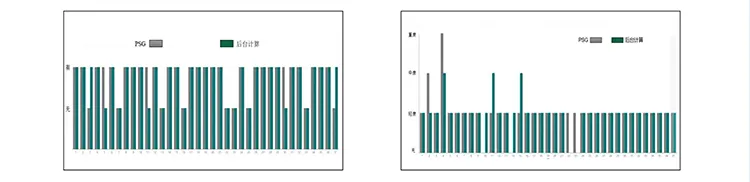
Yes, clinical trials show high sensitivity (94.17%) and accuracy (89.62%) in OSAHS judgment and hypoxemia diagnosis.
 MaxPro Medical