MaxPro Medical
Whitepaper: The Evolution of Wearable Blood Pressure Monitoring
Analysis of Market Trends, Technical Breakthroughs, and Industrial Benchmarks
The global healthcare landscape is undergoing a seismic shift from reactive "sick care" to proactive "well care." At the center of this transformation lies the wearable blood pressure monitor. As a critical diagnostic tool for hypertension—often termed the "silent killer"—wearable technology has advanced from bulky, arm-cuffed devices to sleek, medical-grade wearables that offer continuous, longitudinal data. For B2B buyers and healthcare providers, selecting a trusted wearable blood pressure monitor factory is no longer just about cost; it is about clinical validation, sensor precision, and data interoperability.
Global Industry Status & Commercial Reality
Today, the wearable medical device market is projected to exceed $150 billion by 2030. Blood pressure monitoring is the fastest-growing segment within this sector. Globally, North America and Europe lead in consumption due to aging populations and high healthcare spending. However, the industrial epicenter of production remains in the Pearl River Delta, where Shenzhen's manufacturing ecosystems provide unparalleled speed-to-market. Leading factories are now shifting from simple OEM models to "Strategic Partnership" models, offering full-stack development from ASIC design to cloud integration.
Market Penetration
Over 1.28 billion adults worldwide have hypertension. Wearables are closing the "diagnosis gap" by providing 24/7 monitoring outside the clinic.
Clinical Thresholds
Modern wearable factories are achieving ISO 81060-2:2018 standards, ensuring that wrist-based measurements match traditional mercury sphygmomanometers.
Interoperability
Leading manufacturers now support HL7 and FHIR standards, allowing device data to sync directly with Hospital Information Systems (HIS).
Technical Roadmap & Future Outlook
The trajectory of wearable BP technology is moving through three distinct phases:
- Phase 1: Miniature Oscillometric. Using micro-pumps and ultra-thin air bladders in wristbands. (Current Gold Standard for Accuracy)
- Phase 2: Pulse Transit Time (PTT). Utilizing ECG and PPG sensors to calculate BP based on arterial wave velocity. (Calibration-dependent)
- Phase 3: PPG Morphological Analysis. AI-driven algorithms that predict BP trends solely from optical sensor waveforms. (The Frontier)
MaxPro Medical is currently at the forefront of Phase 1 and 2, ensuring that our products provide clinical-grade reliability while maintaining consumer-level comfort.
China's Supply Chain Resilience & Efficiency
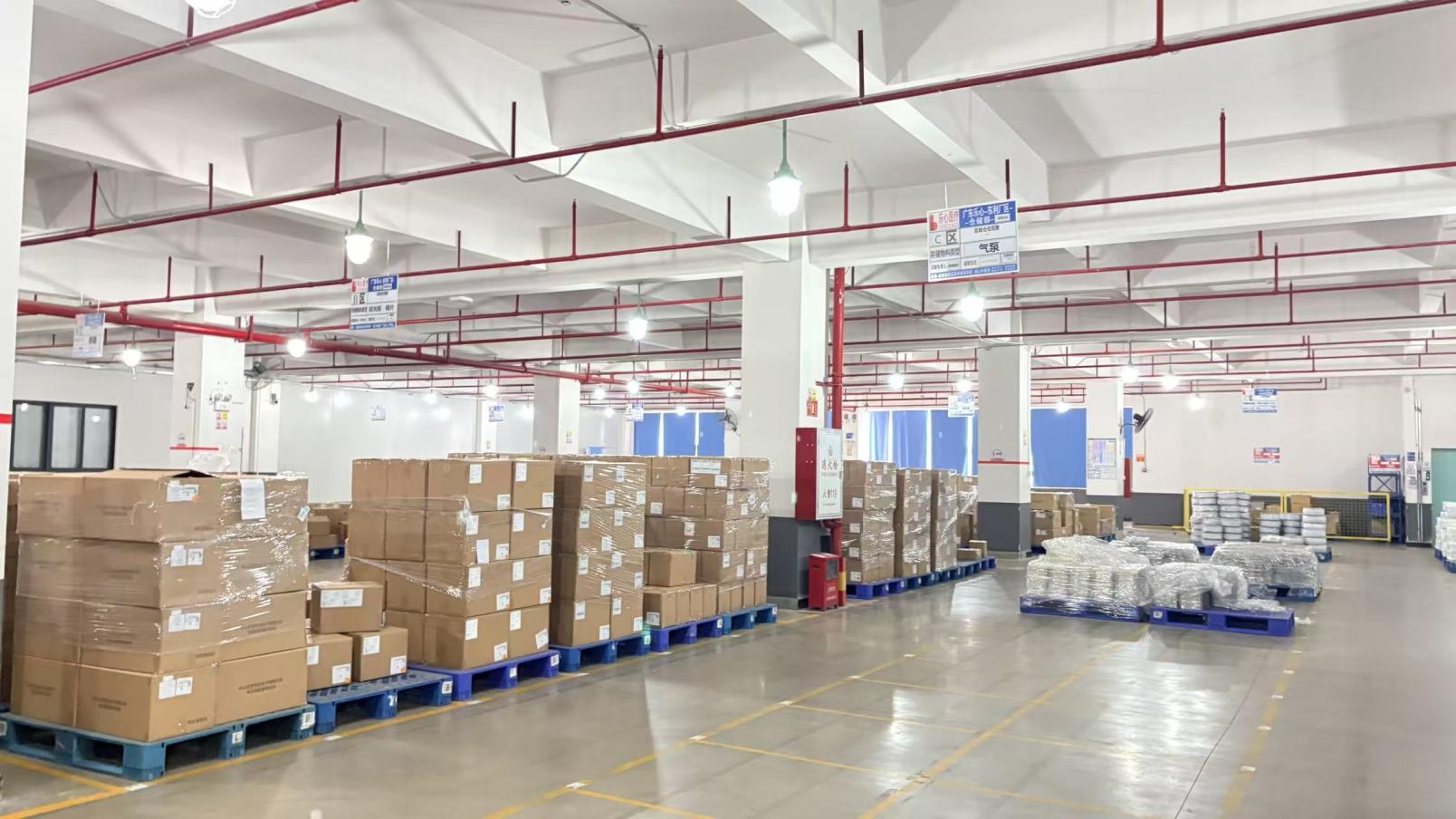
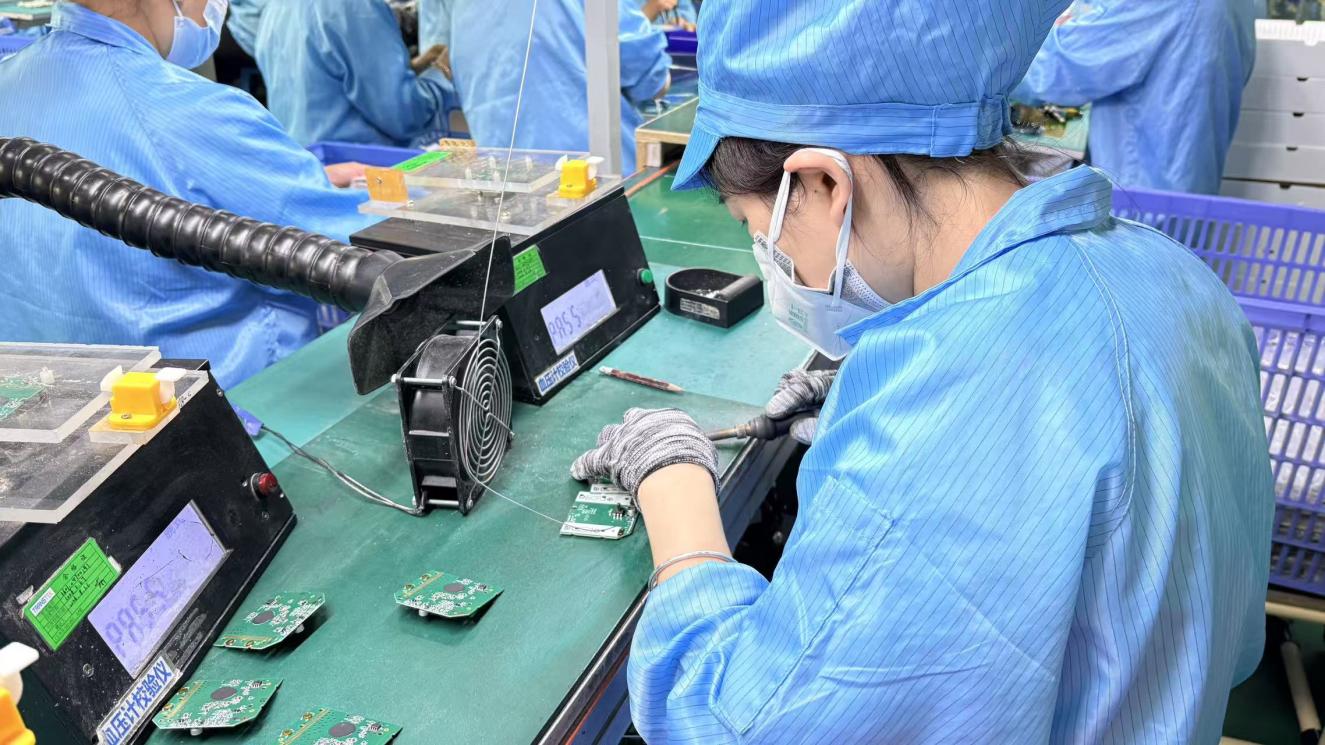
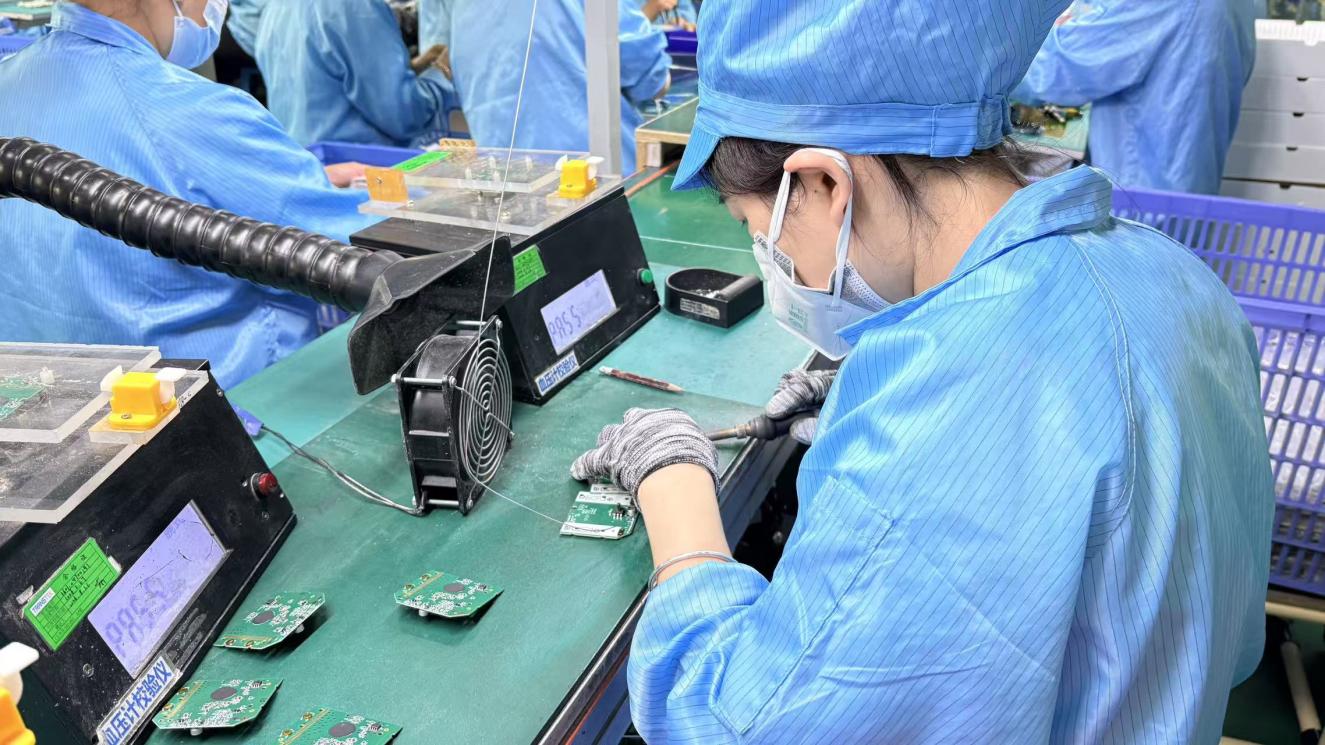
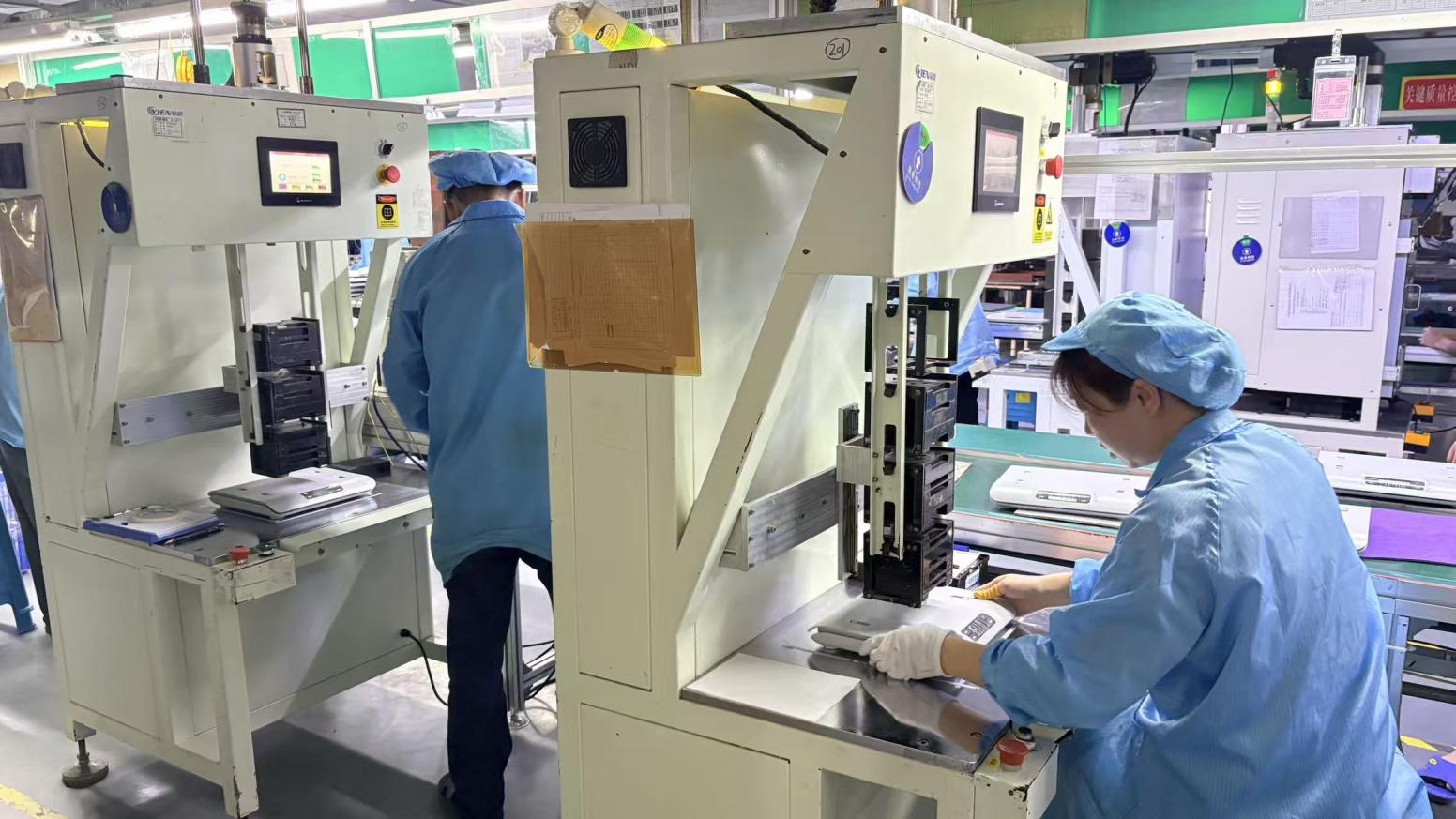
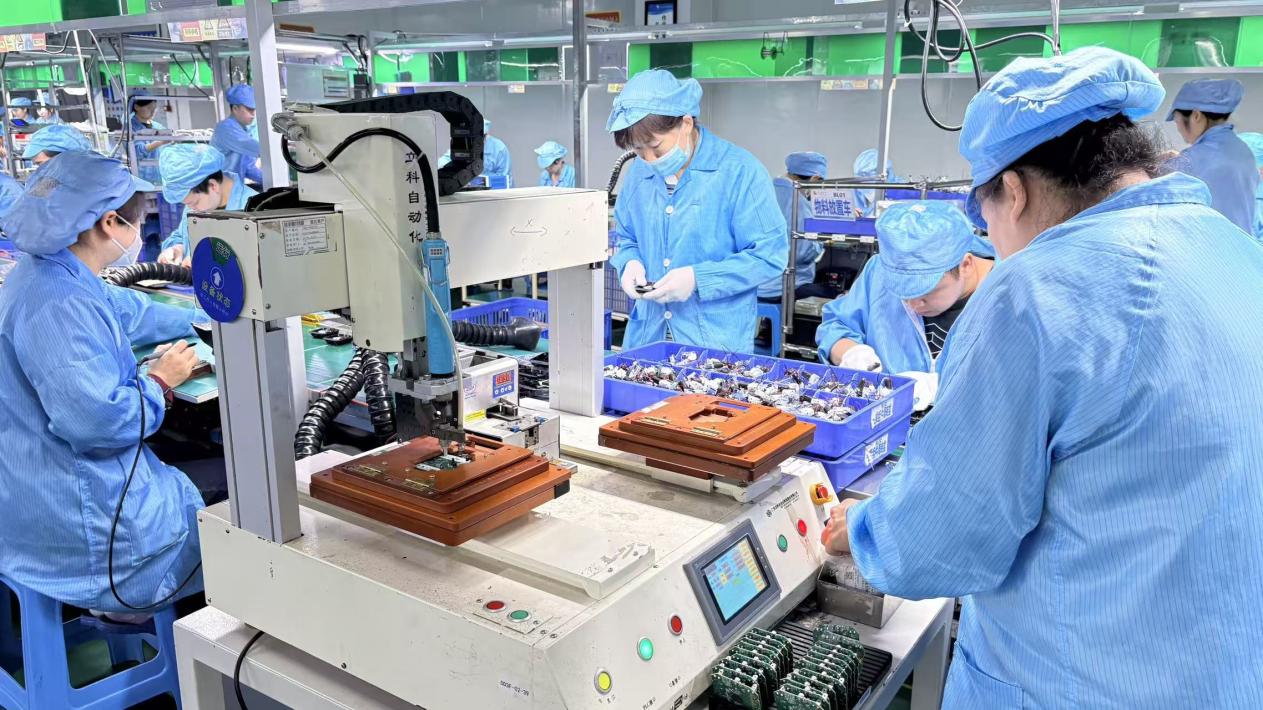
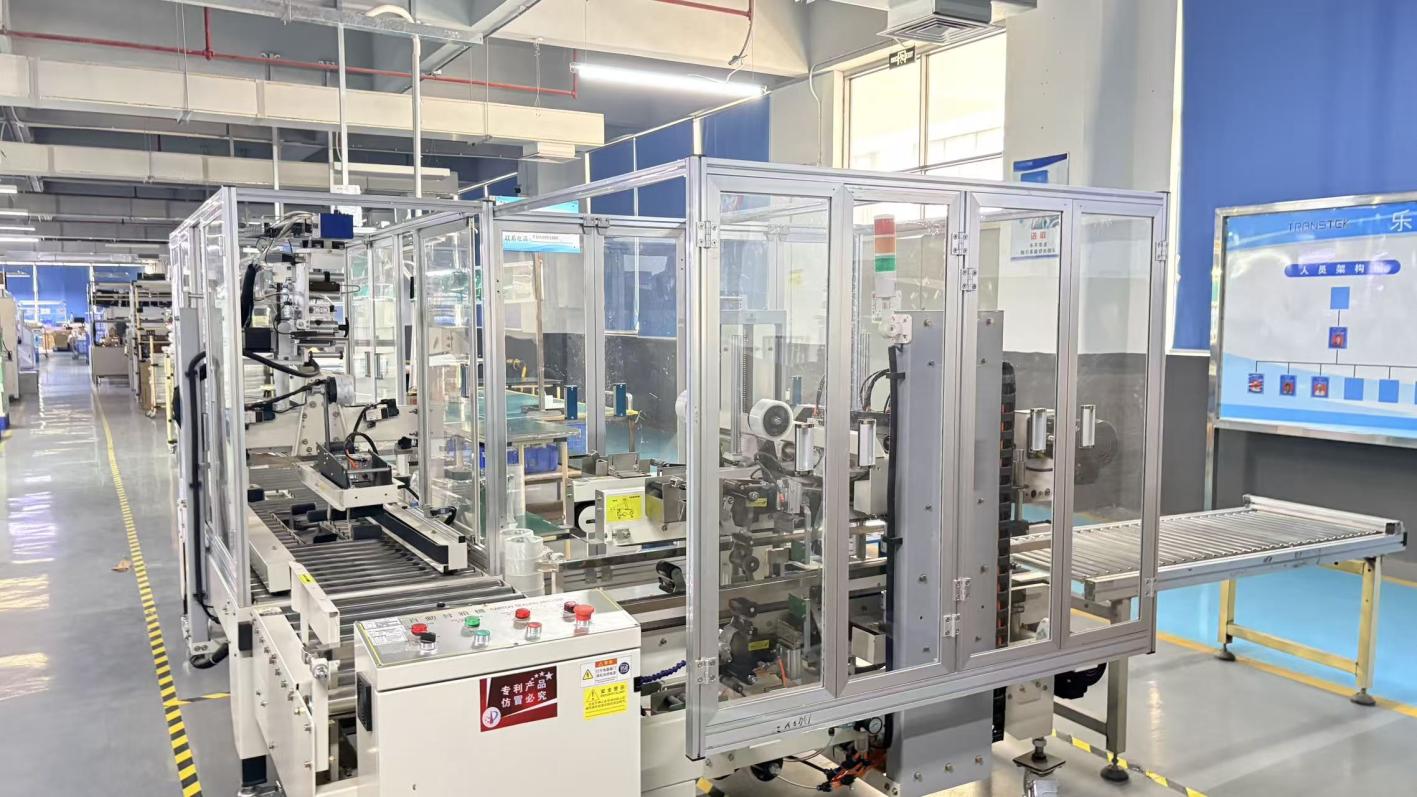
Why choose a China-based factory like MaxPro Medical? It comes down to Supply Chain Density. Within a 50km radius of our Shenzhen facility, we have access to PCBA fabricators, medical-grade silicone suppliers, high-precision sensor labs, and regulatory testing houses. This proximity allows for:
- Rapid Prototyping: Reducing R&D cycles from months to weeks.
- Cost Agility: Economies of scale that Western manufacturers cannot match.
- Quality Control: Direct oversight of every sub-component vendor.