MaxPro Medical
MaxPro Medical
MaxPro Medical
Hemoglobin (Hb) testing is the cornerstone of diagnosing anemia, a condition affecting over 2 billion people globally. As Point-of-Care (POC) testing technology evolves, the demand for portable, accurate, and cost-effective hemoglobin meters has surged among hospital procurement officers, NGO health initiatives, and private distributors. This whitepaper analyzes the top manufacturers and exporters, focusing on the technological leap from traditional lab-based spectrophotometry to advanced microfluidics and non-invasive sensing.
Identifying a "Top 10" partner requires more than just looking at sales volume. It involves evaluating their E-E-A-T (Experience, Expertise, Authoritativeness, and Trustworthiness). Top exporters must navigate complex regulatory landscapes such as the EU Medical Device Regulation (MDR) and the US FDA 510(k) process, ensuring that clinical accuracy (CV < 3%) is maintained across diverse environmental conditions—from rural clinics in Africa to high-tech hospitals in Shanghai.
Global Distributors
Certified Quality Management
R&D Experience
Market Access Compliance
Founded in 2009, Shenzhen MaxPro Medical Co., Ltd. is a leading manufacturer specializing in advanced medical devices and chronic disease monitoring solutions. With a strong commitment to innovation, quality, and customer satisfaction, we provide reliable healthcare technologies to over 500 healthcare institutions and distributors worldwide.
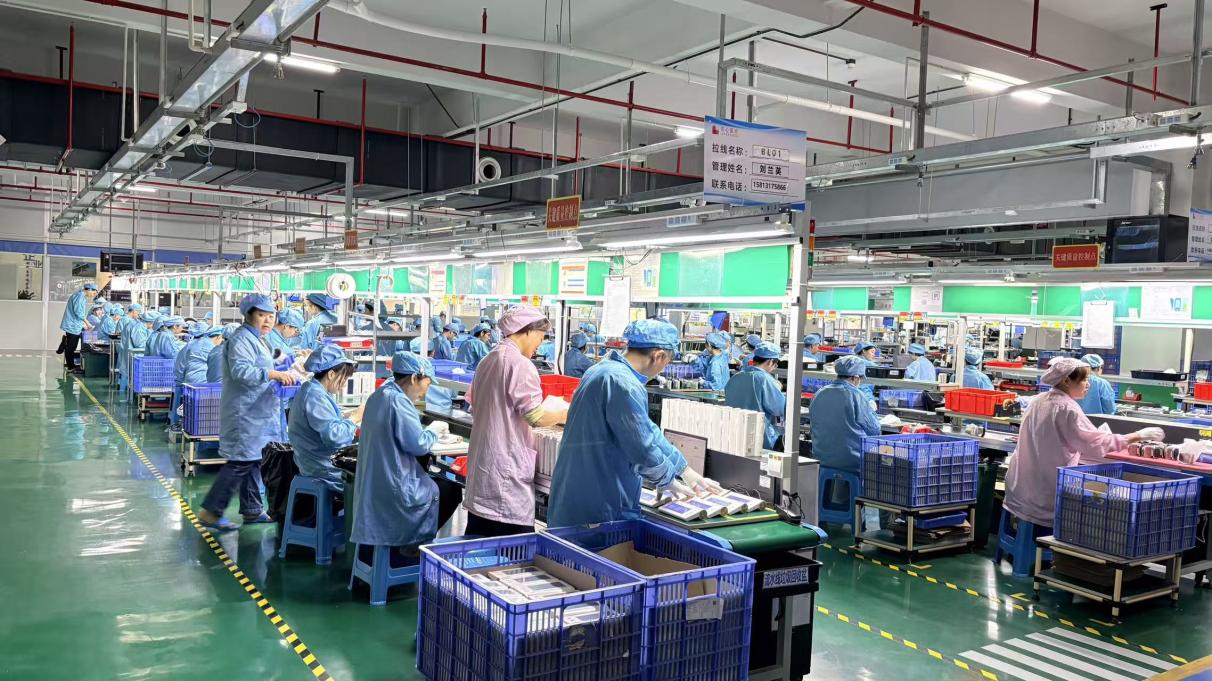
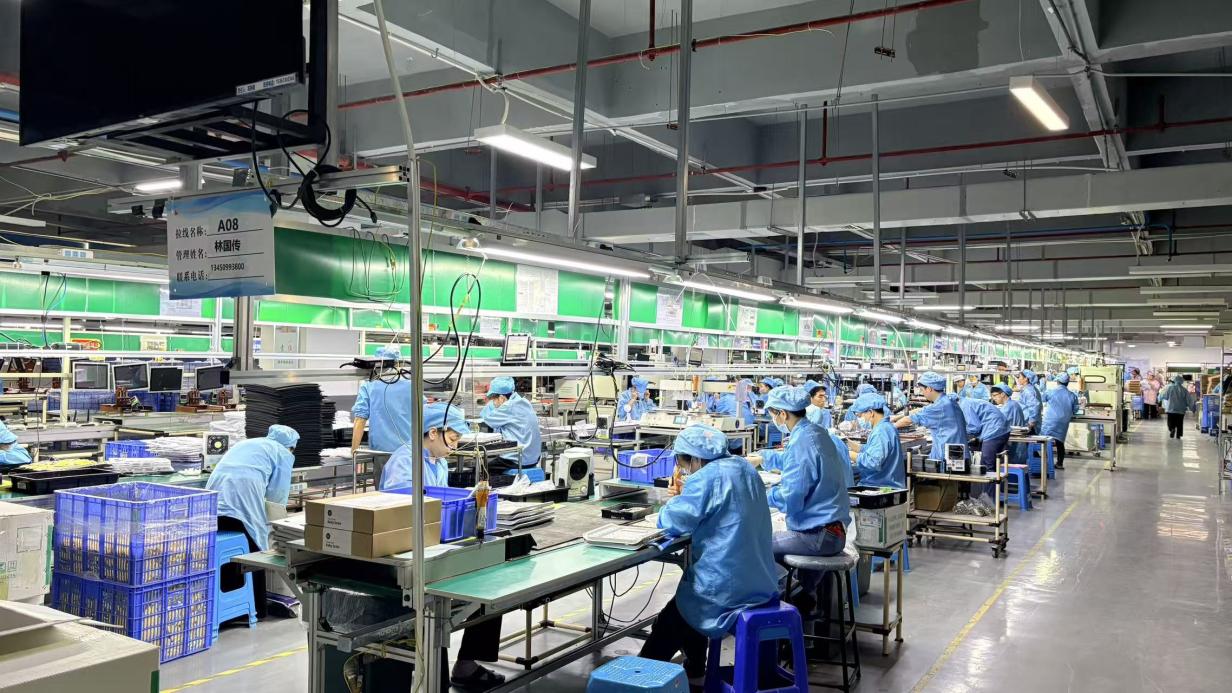
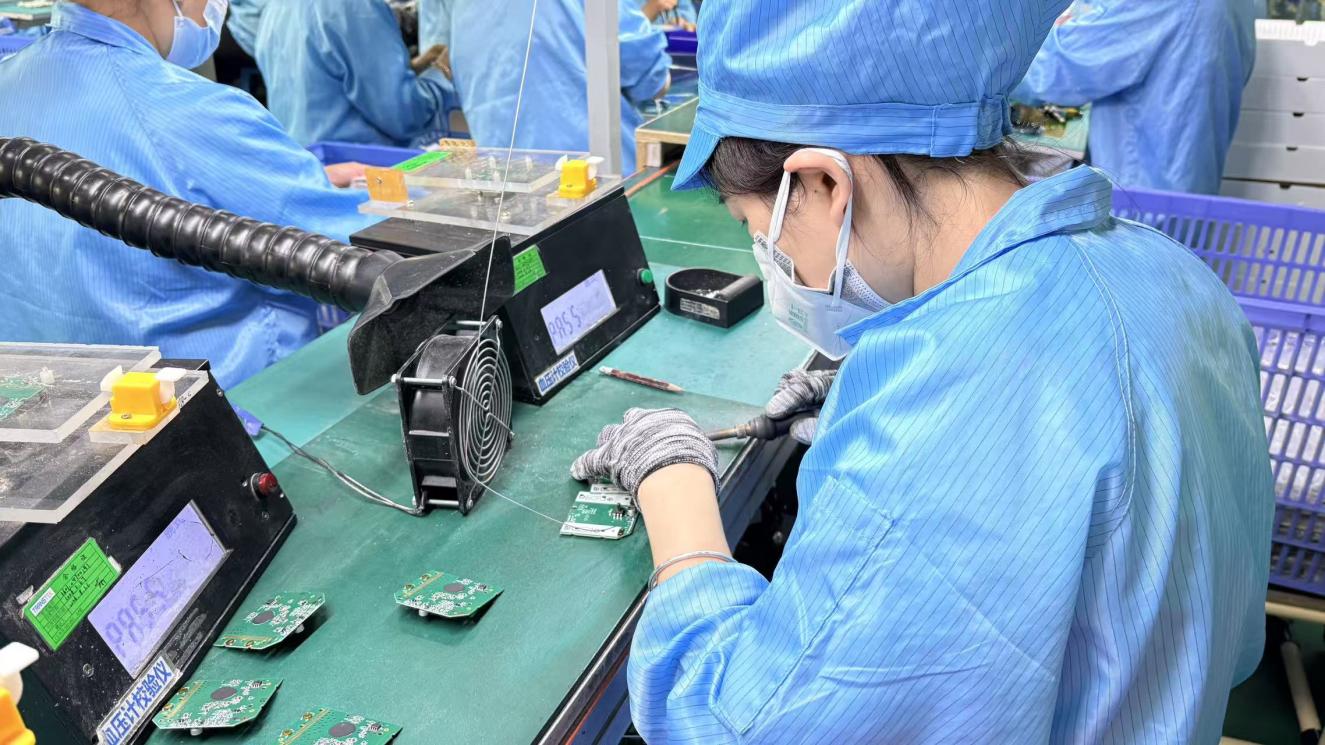
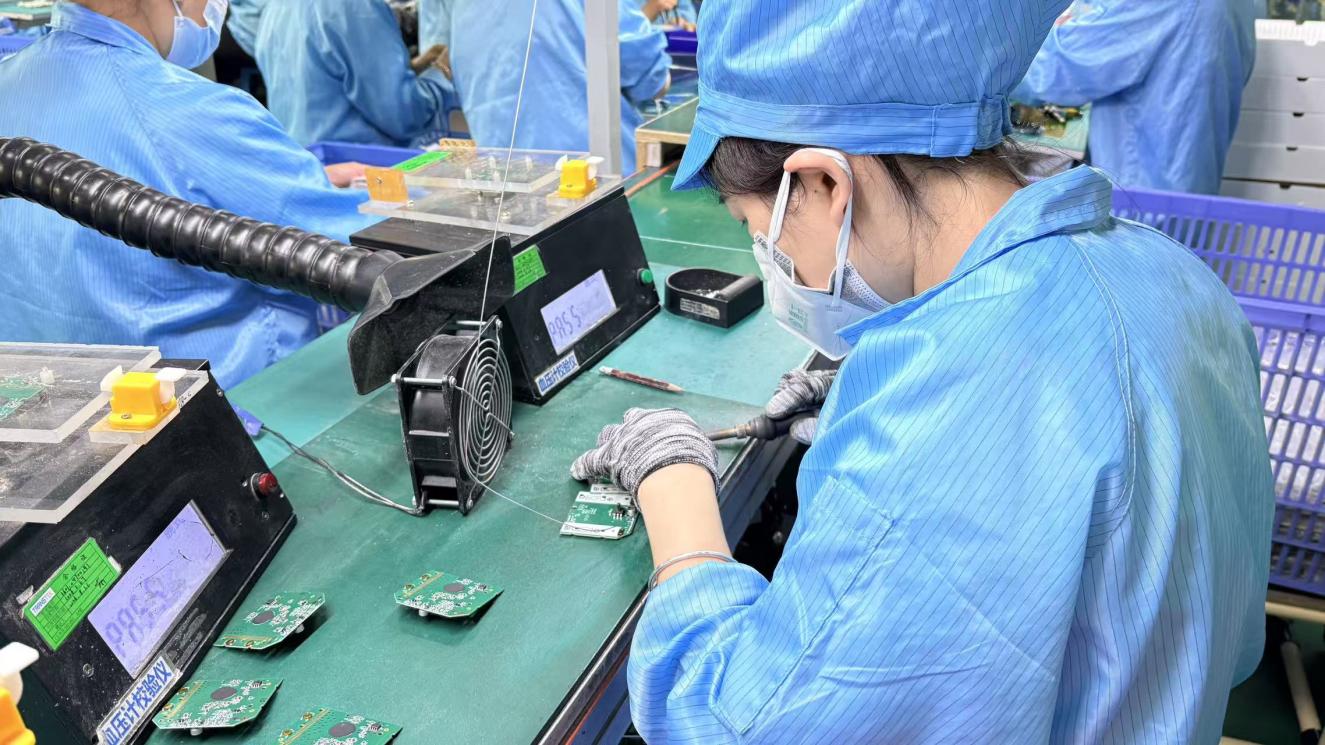
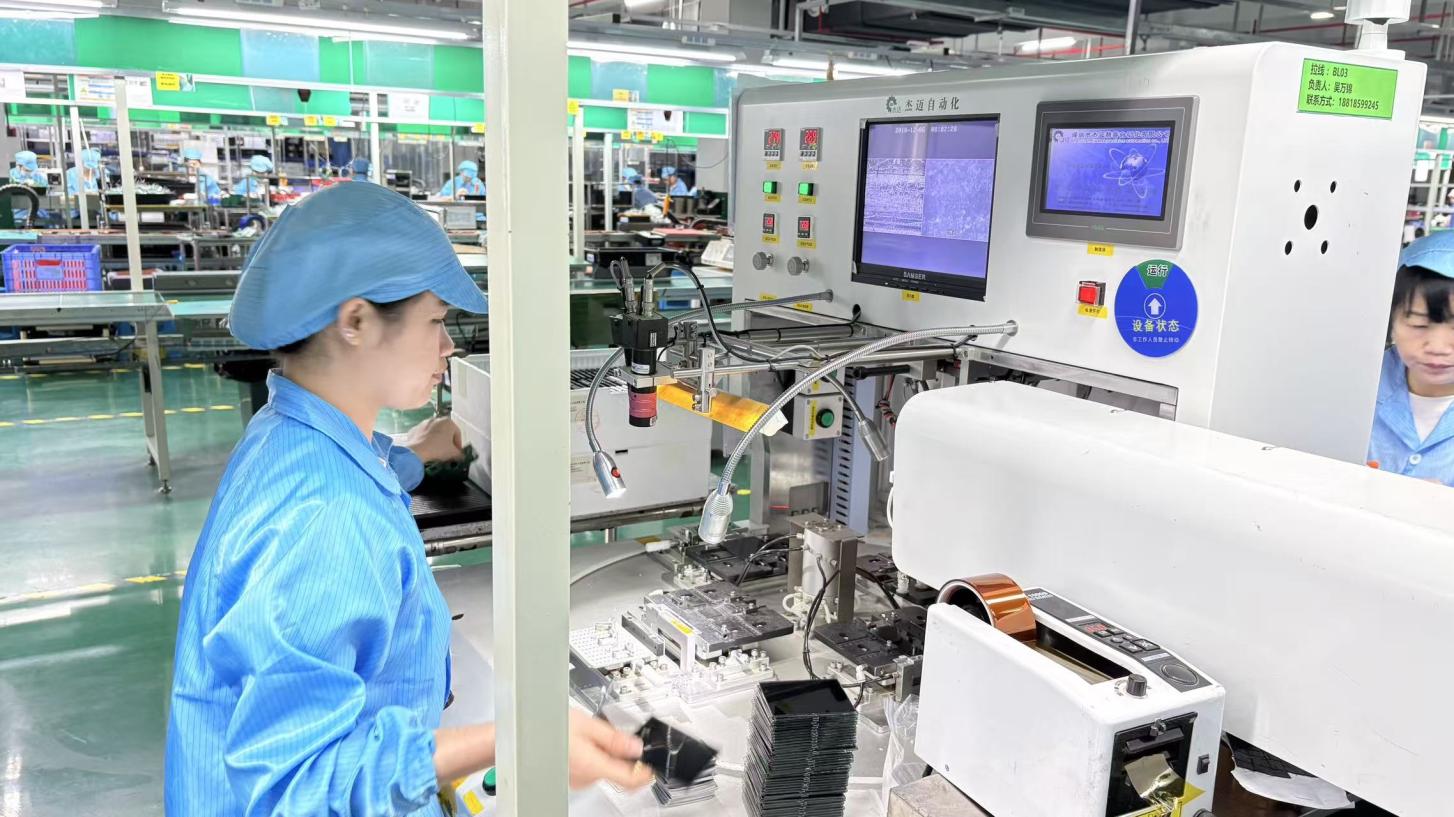
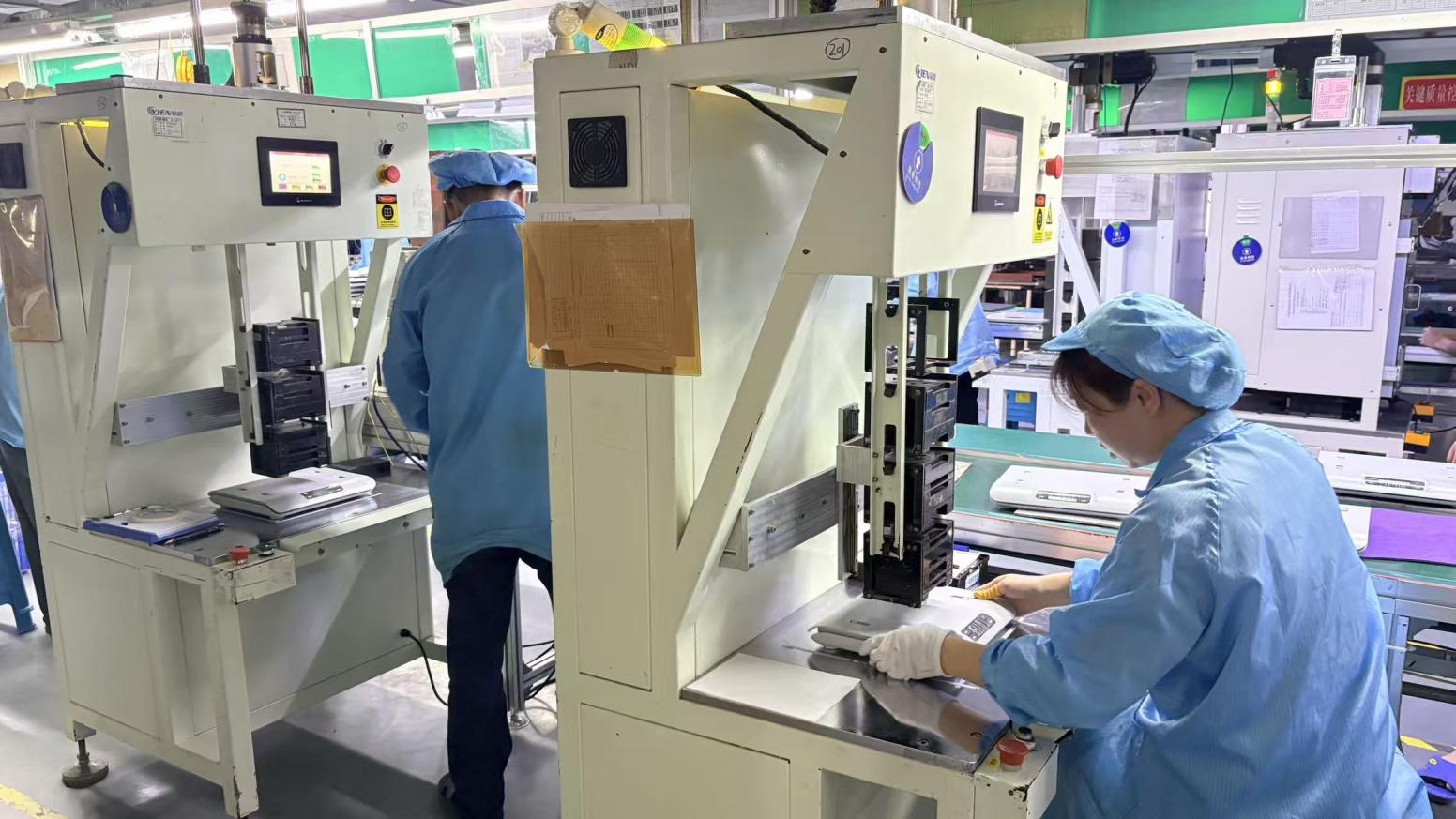
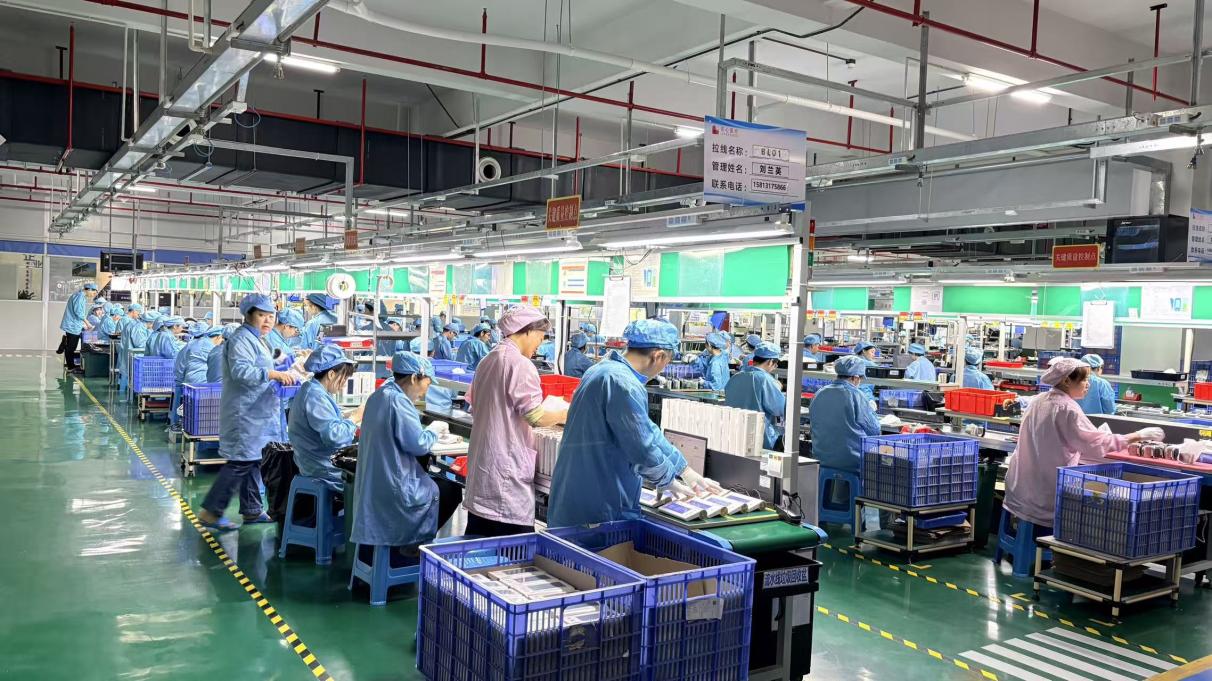
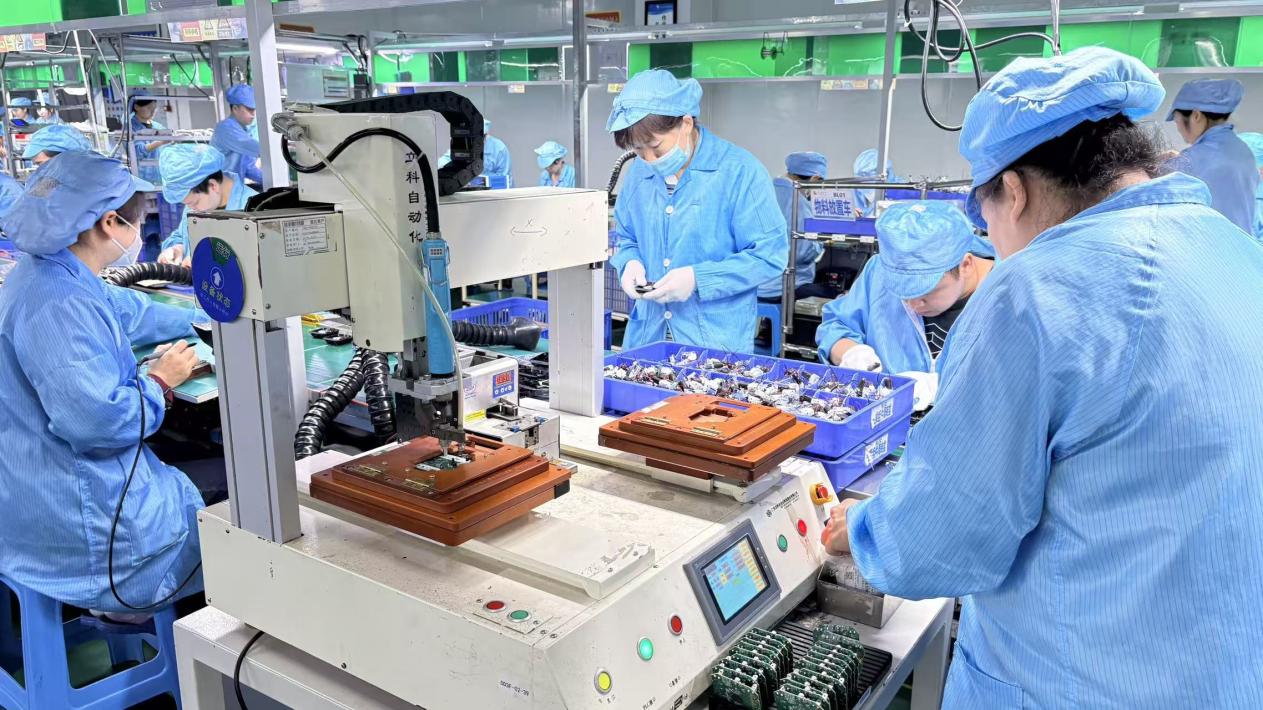
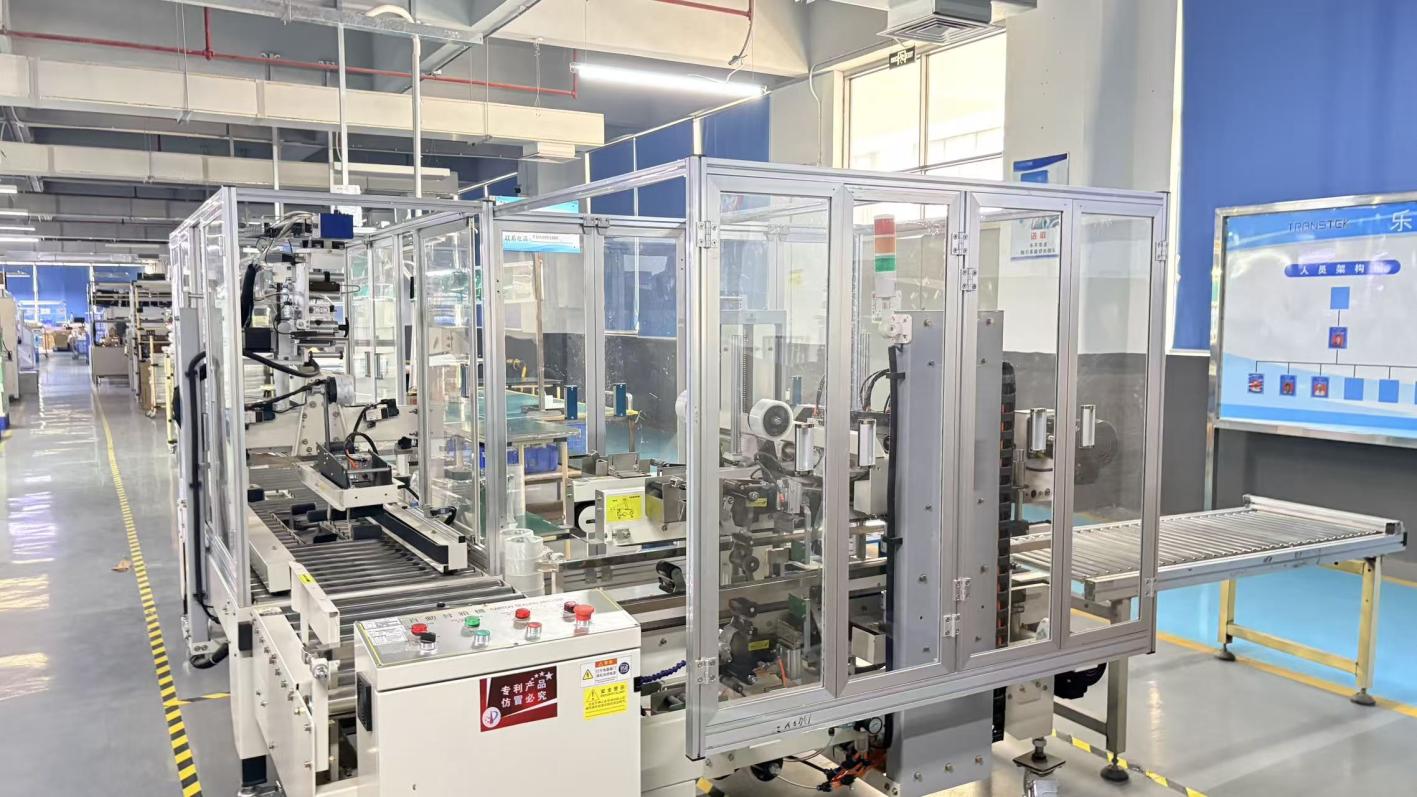
Our company operates a modern 20,000 sq ft manufacturing facility equipped with advanced production and testing systems. Certified under ISO 13485 quality management standards, all of our products comply with international medical regulations, with key products receiving FDA 510(k) clearance and CE certification.
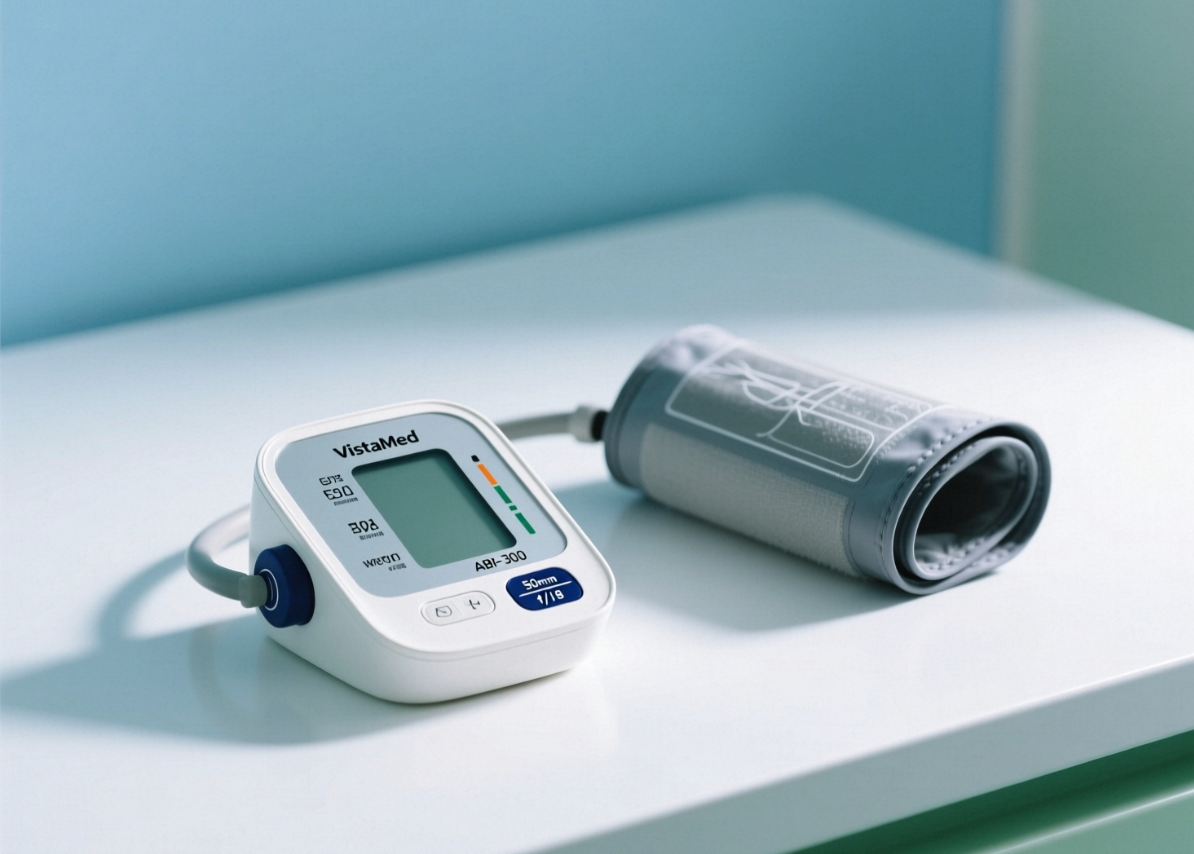
From microfluidic sensor fabrication to SMT (Surface Mount Technology) assembly, Shenzhen's ecosystem reduces lead times by 40% compared to traditional markets.
Advanced automation in test strip production allows for significant reduction in consumables cost, crucial for large-scale anemia screening programs.
The proximity of hardware and software engineers enables rapid prototyping of IoT-enabled devices that sync directly with hospital HIS systems.
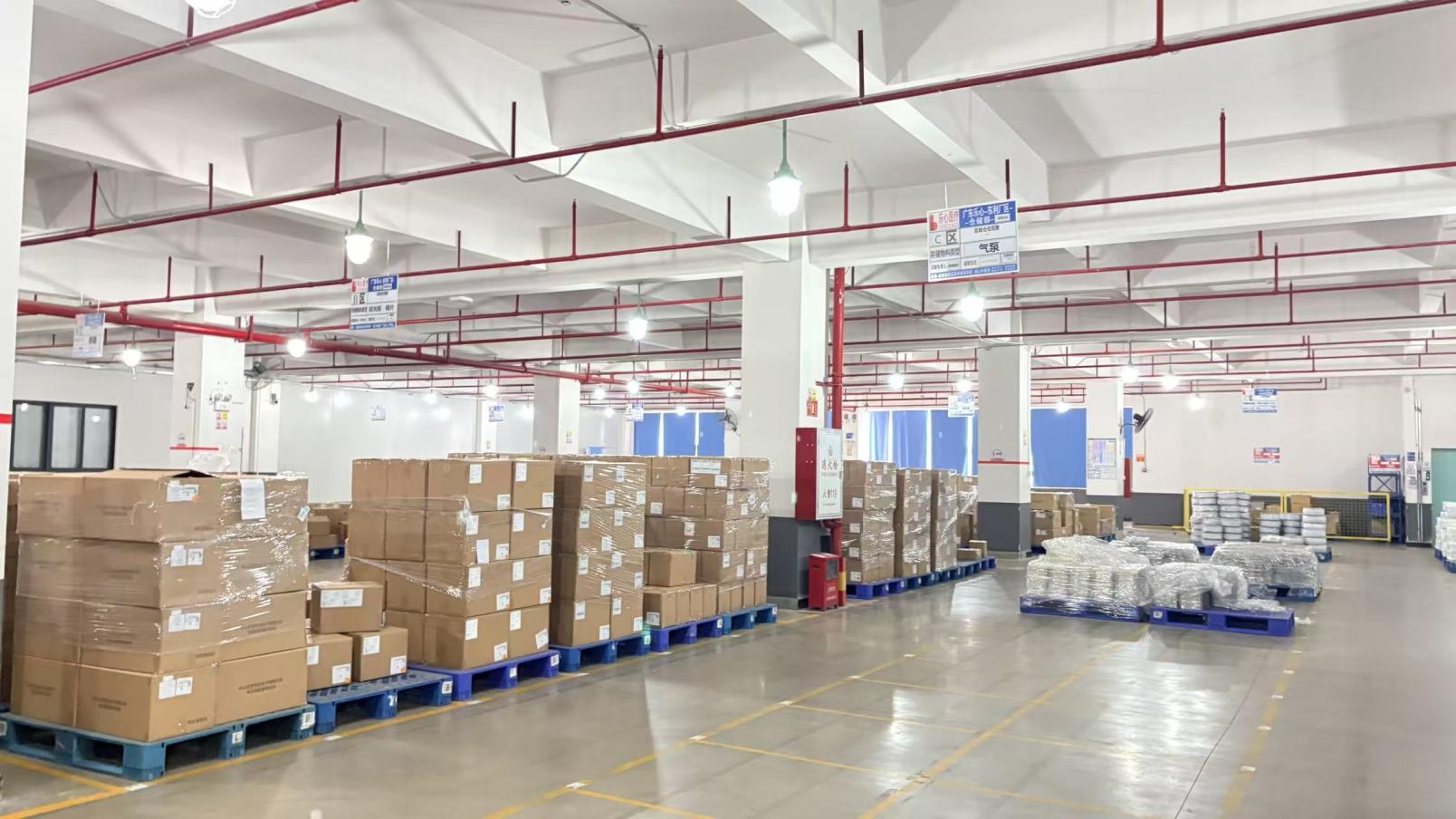


Entering international markets requires rigorous adherence to local laws. MaxPro Medical ensures:
A hemoglobin meter is only as good as its usability in the field. Our localization strategies include:
The industry is moving toward optical sensors that measure Hb through the skin, eliminating the need for needle pricks and increasing patient compliance in pediatric care.
AI algorithms are now being used to analyze Hb trends over time, predicting potential chronic kidney disease (CKD) complications before they manifest symptoms.
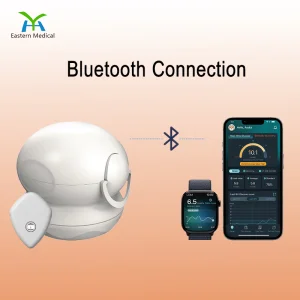
Bluetooth-enabled meters allow patients to track their own levels via mobile apps, bridging the gap between hospital care and home management.