MaxPro Medical
MaxPro Medical
MaxPro Medical
In the current era of Preventative Medicine, Nutrition Monitoring Devices have evolved from simple weight scales to complex Bio-Digital Diagnostic Hubs. As a leading global supplier, Shenzhen MaxPro Medical Co., Ltd. recognizes that nutrition is no longer just about calories; it is about metabolic efficiency, visceral fat analysis, and real-time biomarker tracking.
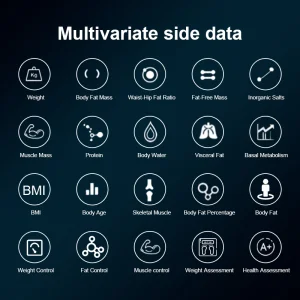
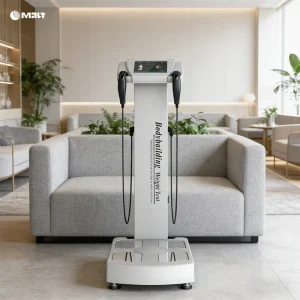
Modern consumers and clinical providers are seeking Information Gain from their hardware. Devices like 8-electrode Bioelectrical Impedance Analysis (BIA) scales provide high-fidelity data on segmental lean mass and intracellular water, which were previously only accessible via DEXA scans in specialized laboratories.
Moving beyond basic resistance, our 8-electrode technology uses multi-frequency current to penetrate cell membranes, providing accurate assessments of nutritional status and skeletal muscle index.
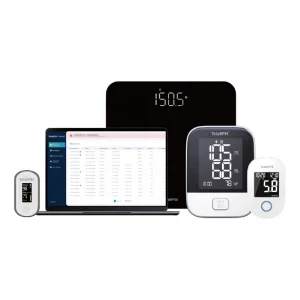
Remote Patient Monitoring (RPM) is the new standard. Our Bluetooth-enabled monitors allow healthcare providers to track patient progress in real-time, enhancing localized care delivery.
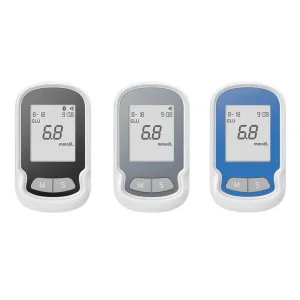
Integrating glucose, uric acid, and cholesterol monitoring into a single handheld device allows for a holistic view of the "Metabolic Syndrome" risk factors.
Founded in 2009, Shenzhen MaxPro Medical Co., Ltd. is a leading manufacturer specializing in advanced medical devices and chronic disease monitoring solutions. With a strong commitment to innovation, quality, and customer satisfaction, we provide reliable healthcare technologies to over 500 healthcare institutions and distributors worldwide.
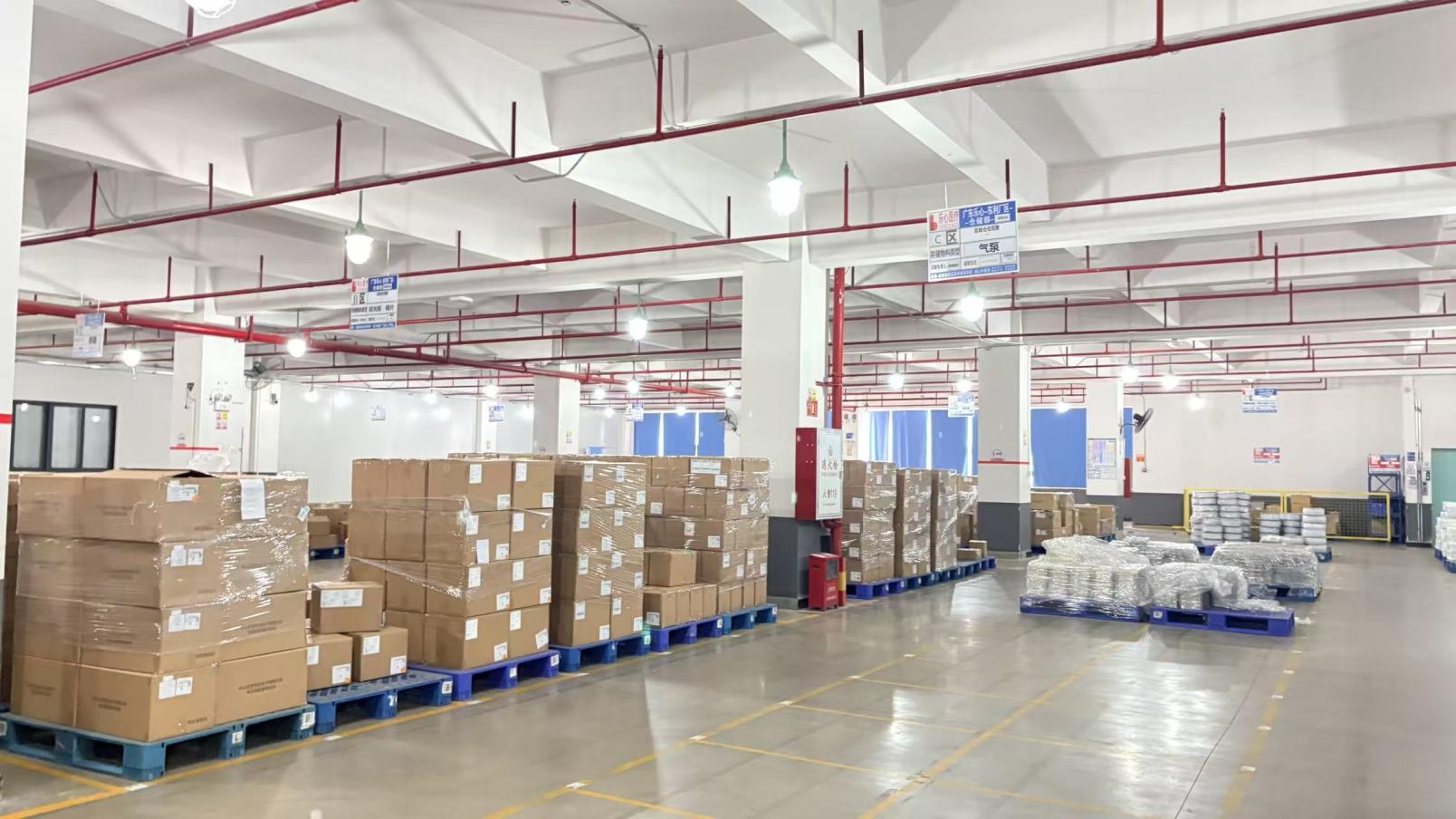
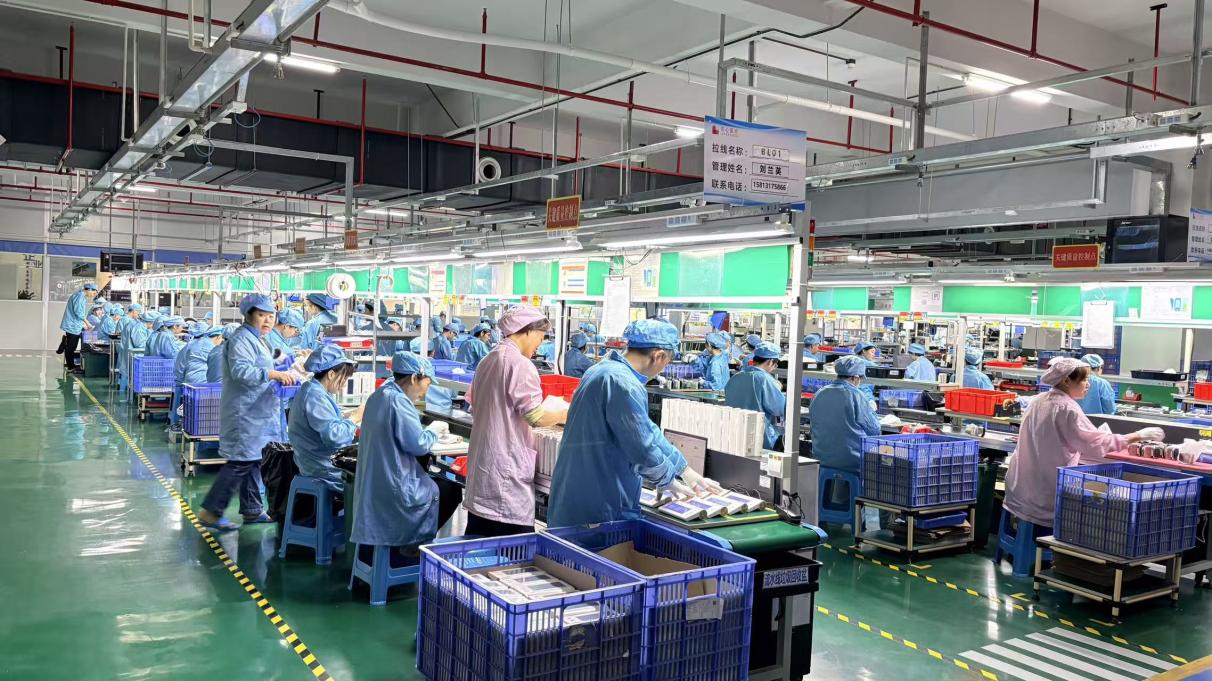
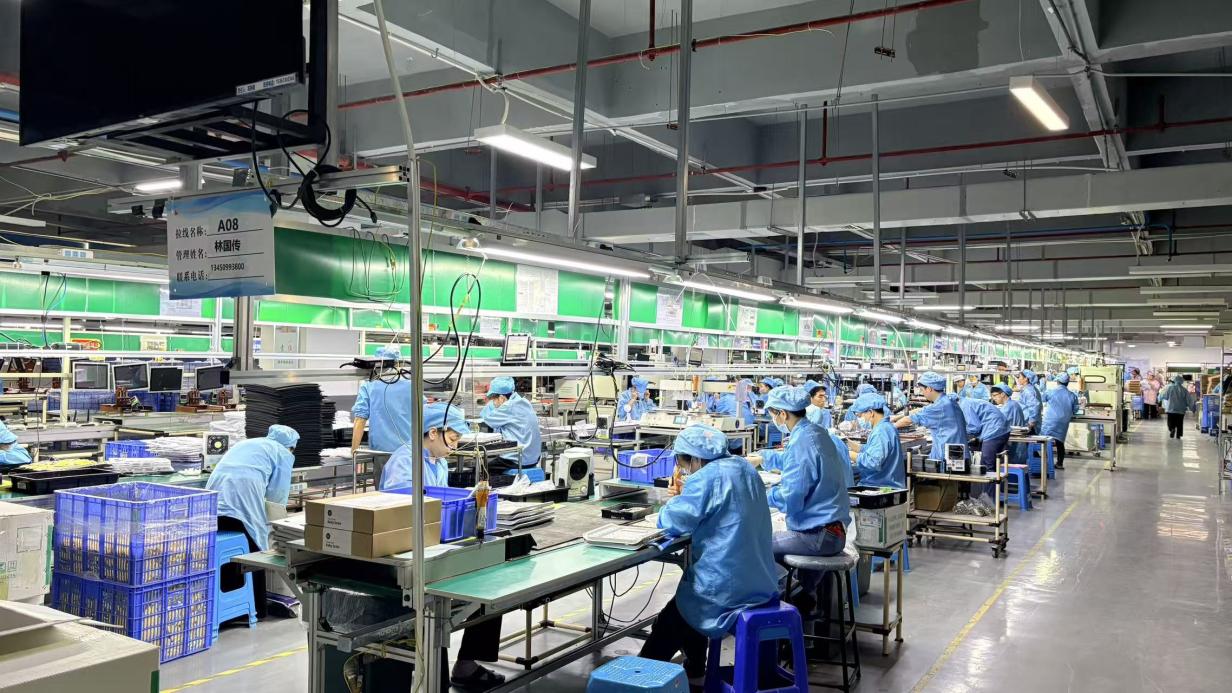
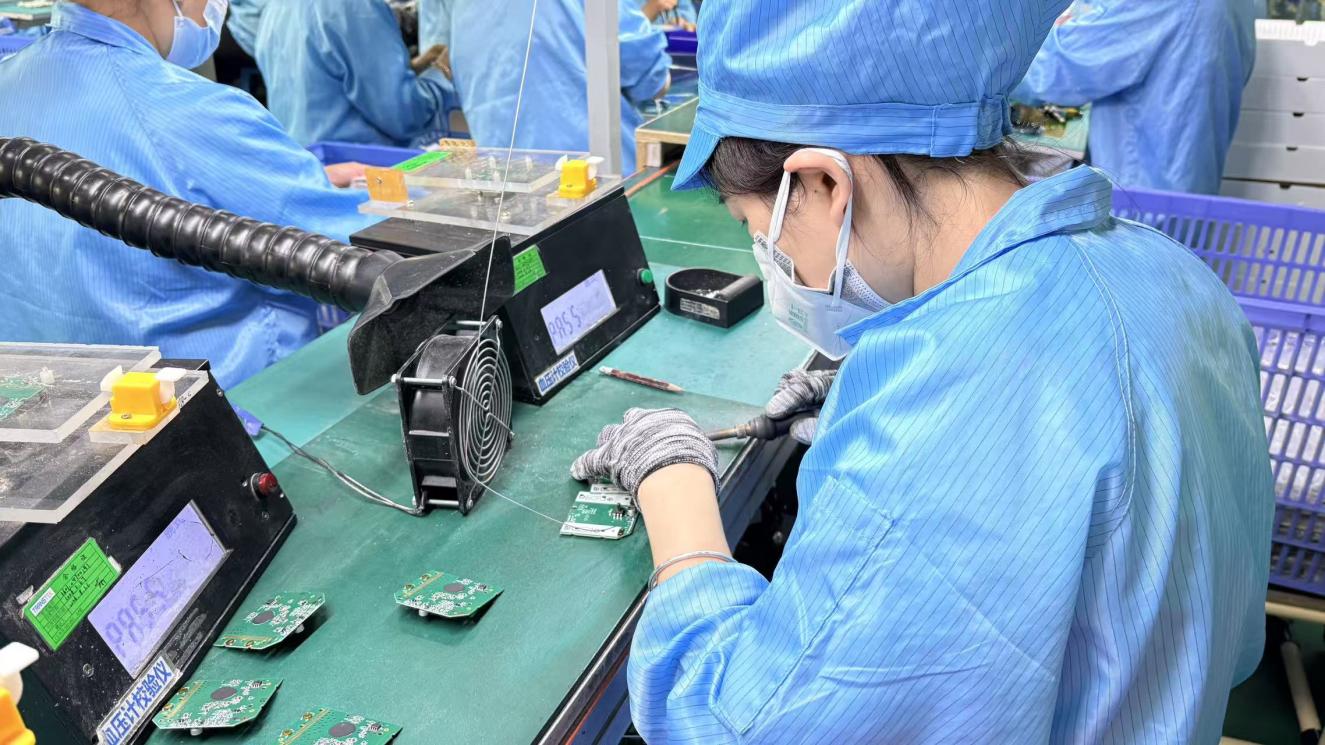
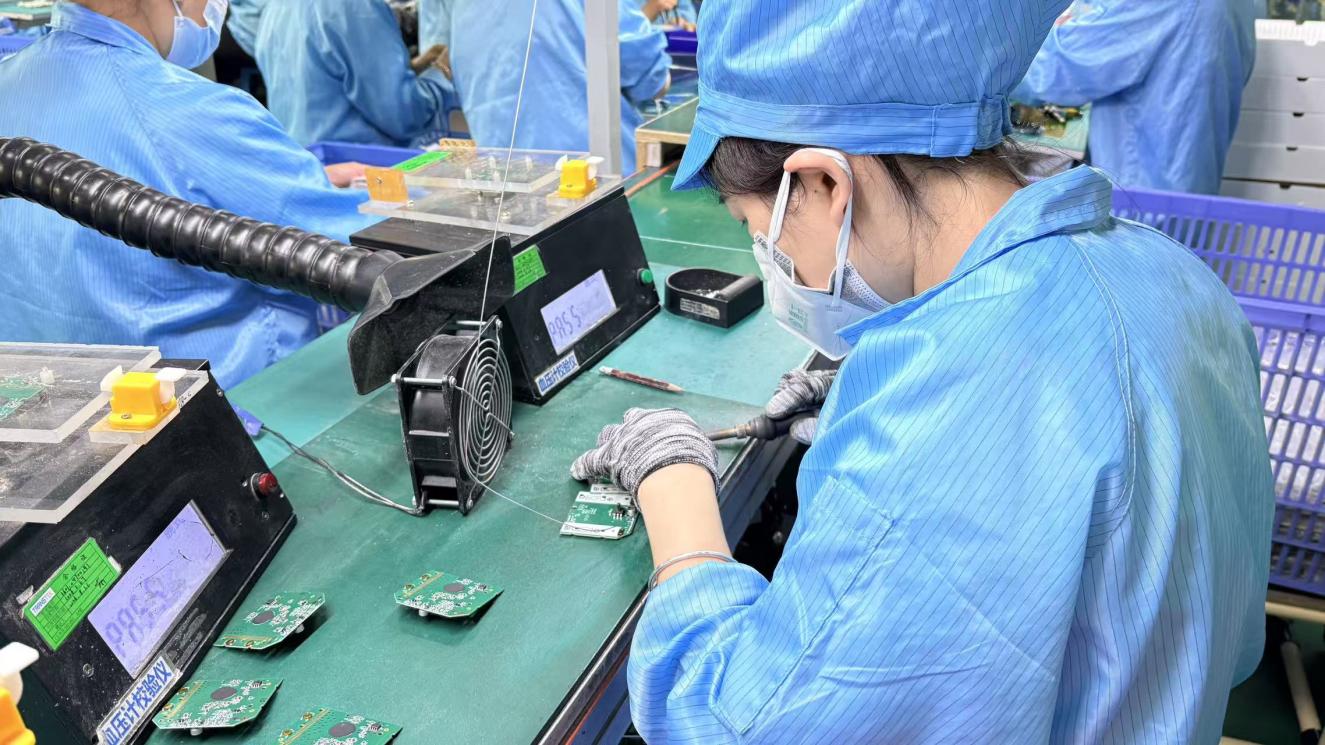
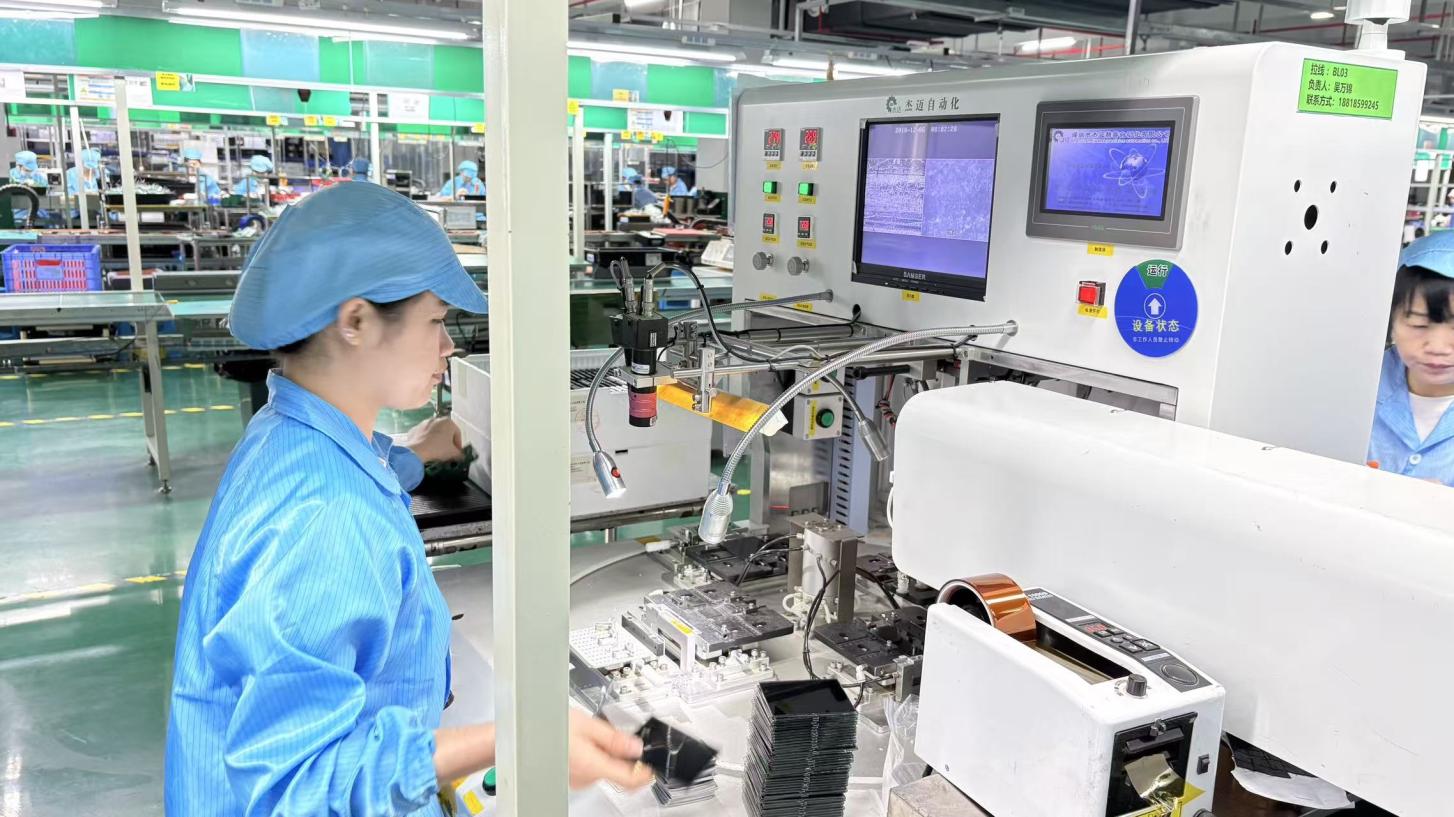
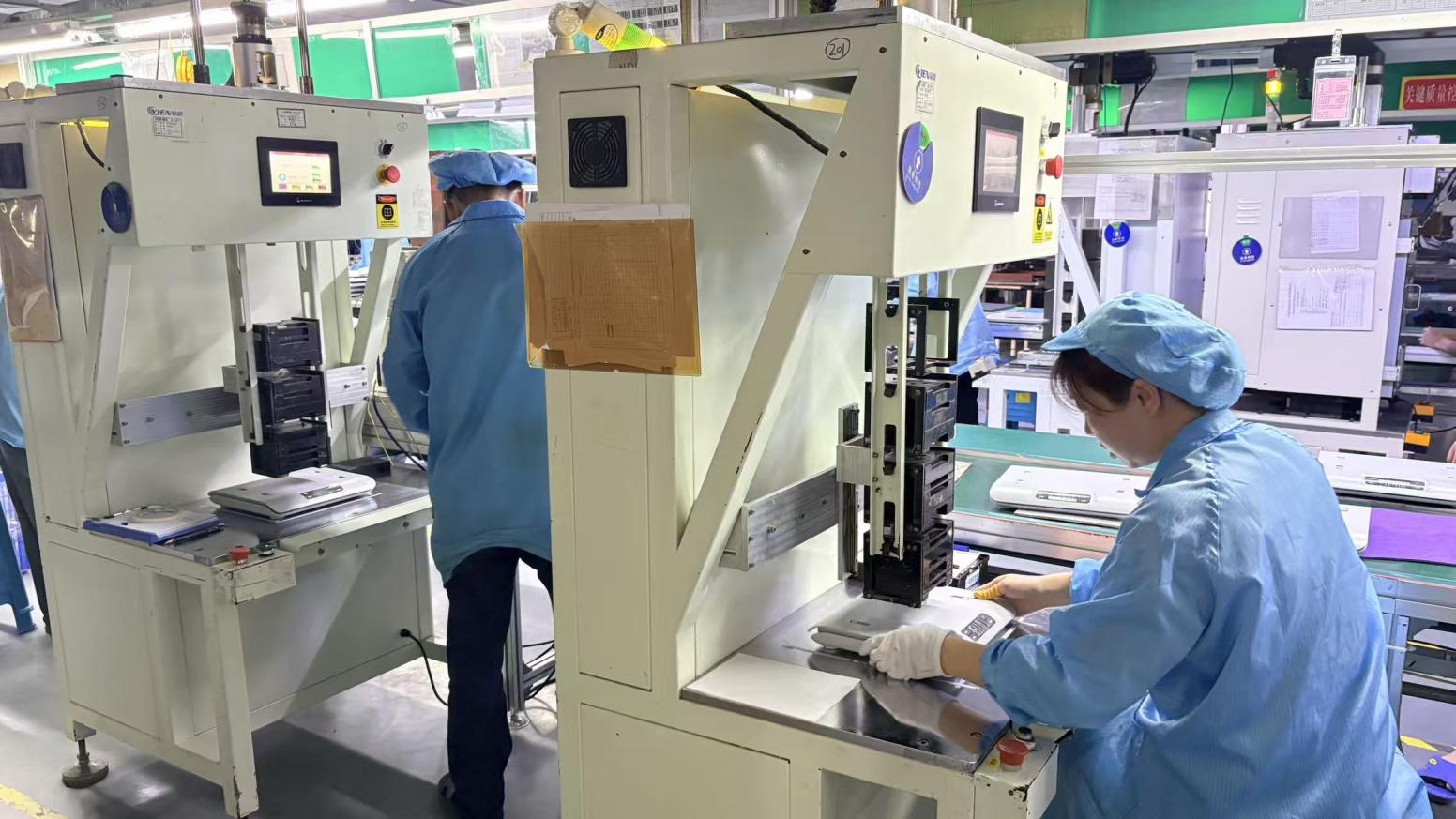
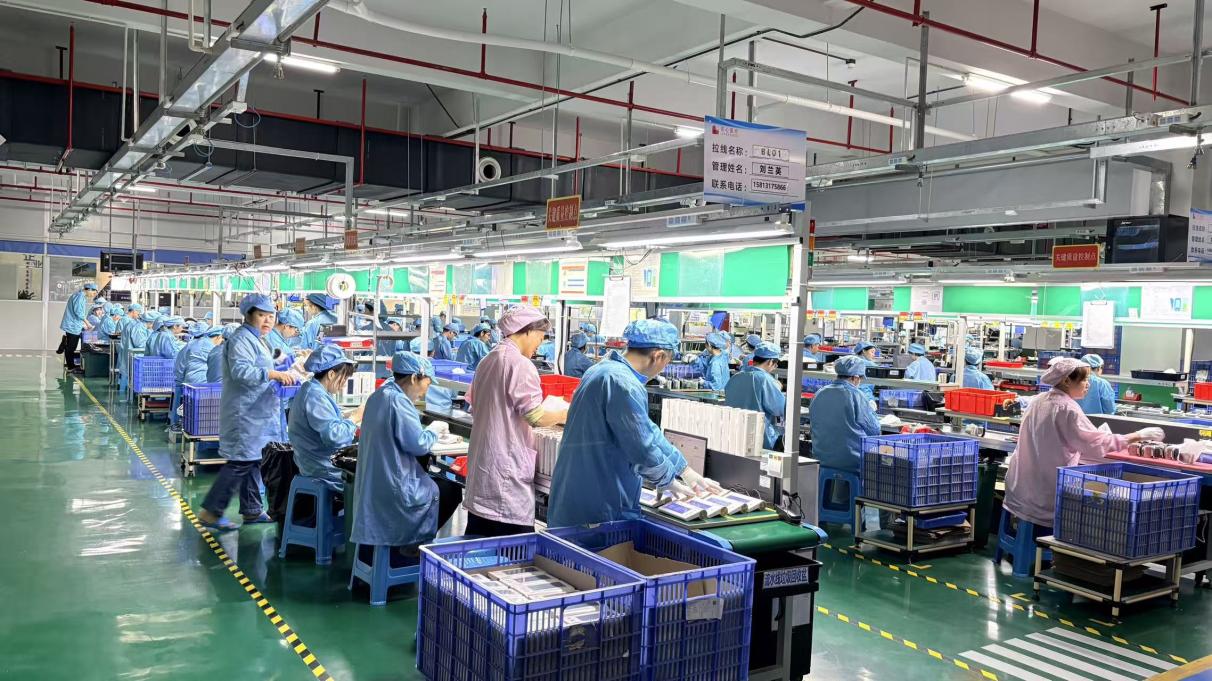
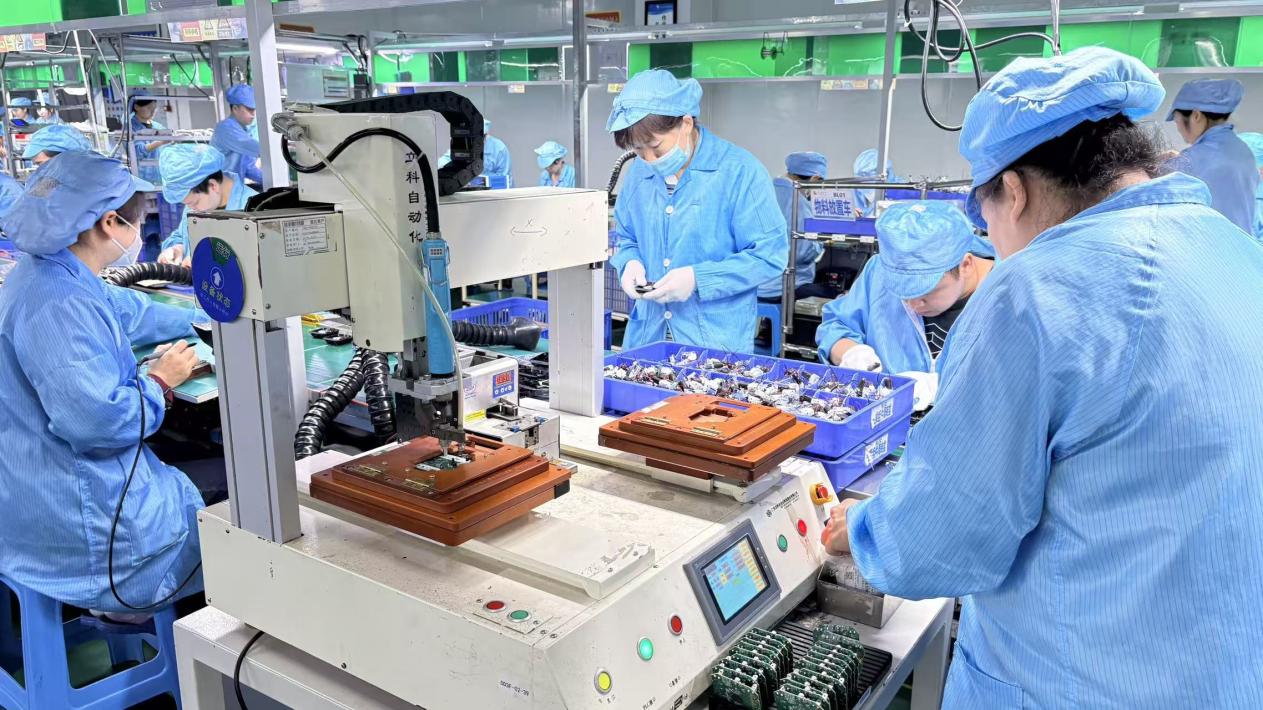
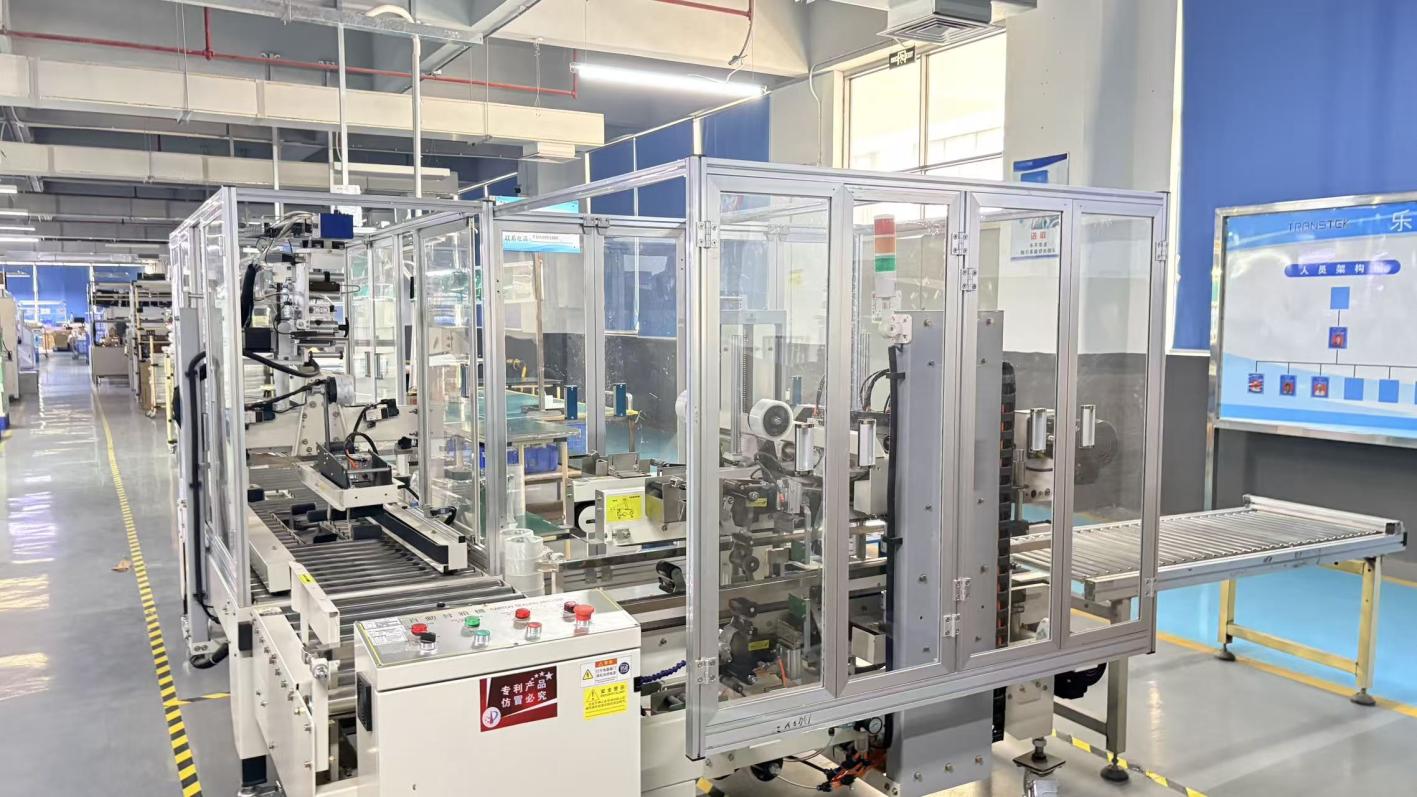
Our company operates a modern 20,000 sq ft manufacturing facility equipped with advanced production and testing systems. Certified under ISO 13485 quality management standards, all of our products comply with international medical regulations, with key products receiving FDA 510(k) clearance and CE certification.
Backed by an experienced R&D team and strict quality control processes, MaxPro Medical continuously develops accurate, user-friendly, and cost-effective medical solutions for chronic disease management, patient monitoring, rehabilitation, and home healthcare applications.
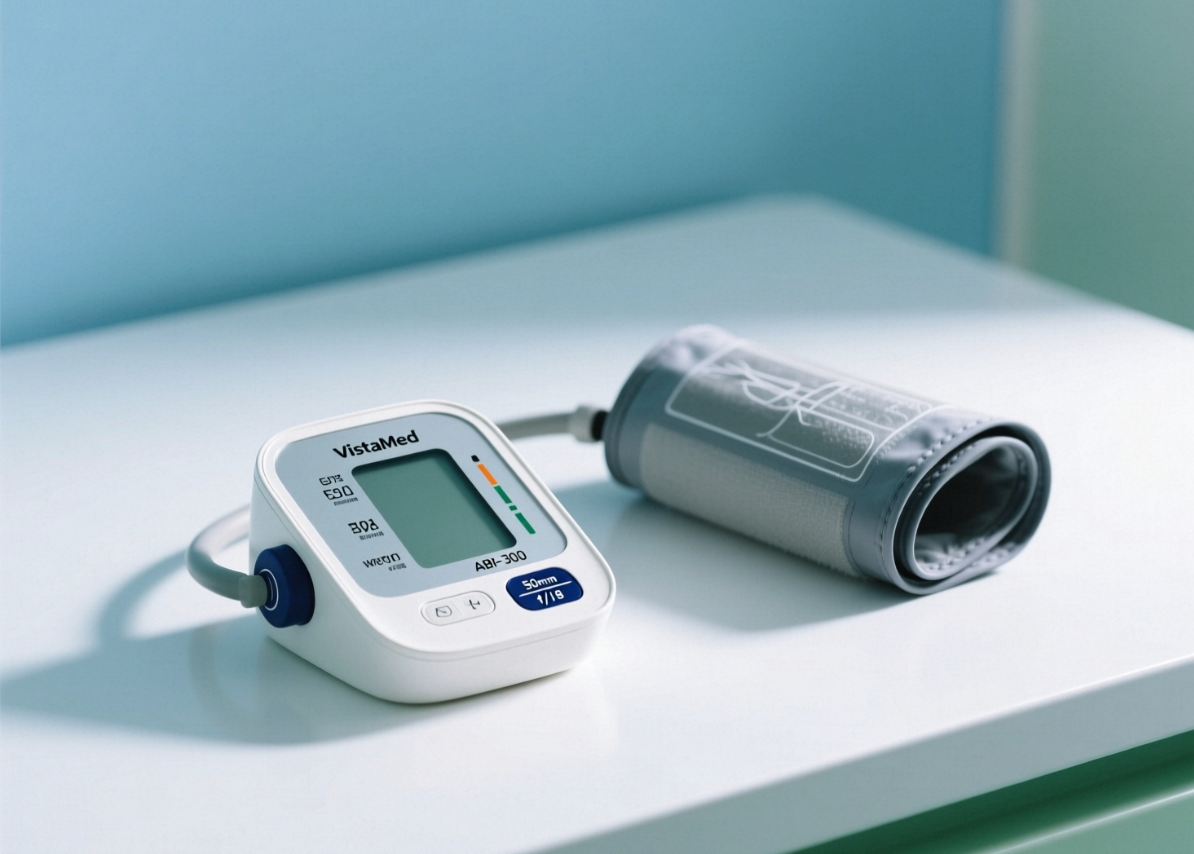
The global demand for nutrition monitoring varies significantly by region. In North America and Europe, the focus is on longevity and athletic performance. In Southeast Asia and Latin America, the priority is managing the rising tide of Type 2 diabetes and hypertension. MaxPro Medical adapts its technology to these localized needs.
Providing high-precision body composition analyzers for dialysis centers and nutrition clinics to monitor fluid retention and sarcopenia.
Simplified 3-in-1 meters (Glucose/Uric/Cholesterol) empower elderly users to manage chronic conditions without frequent hospital visits.
Athletes utilize our multi-parameter monitors to optimize recovery and ensure peak physiological readiness during training cycles.
Shenzhen remains the global epicenter for medical electronics. MaxPro Medical leverages this ecosystem to offer unmatched speed-to-market. Our vertical integration—from R&D to final assembly—ensures that we maintain strict quality control while reducing costs for our global partners.


Years Experience
Global Partners
Certified Quality
Sq Ft Facility
The future of nutrition monitoring lies in Non-Invasive Continuous Monitoring. We are currently researching AI-driven predictive algorithms that can forecast metabolic crashes before they happen.
Standard home scales use 4 electrodes (feet only) and estimate the upper body. Our 8-electrode system measures each limb and the trunk independently using multiple frequencies, providing clinical-grade accuracy for segmental fat and muscle analysis.
Yes, all manufacturing follows ISO 13485 protocols. Our core diagnostic products carry CE certification and FDA 510(k) clearance, ensuring they meet the safety and efficacy standards required for global export.
Absolutely. We offer flexible OEM/ODM solutions, including hardware customization, firmware localization, and app integration to help distributors build their own brands in their local markets.
By reducing the need for three separate devices, patients are more likely to perform regular checks. The integrated data provides a clearer picture of how diet affects cholesterol and glucose simultaneously.