MaxPro Medical
MaxPro Medical
MaxPro Medical
The global medical landscape is witnessing a paradigm shift in neonatal intensive care units (NICUs). As the demand for sophisticated infant incubators grows, driven by increasing premature birth rates and the quest for lower infant mortality, leading factories are redefining their technical roadmaps. Today’s top exporters are no longer just providing "heated boxes"; they are delivering Information-Integrated Clinical Micro-environments.
Next-generation incubators utilize machine learning algorithms to predict temperature fluctuations based on the infant's metabolic rate, ensuring a constant thermal neutral zone with 0.1°C precision.
Integration with centralized hospital systems allows real-time data streaming of SpO2, heart rate, and weight directly to neonatologists' tablets, enabling remote intervention.
Advanced noise reduction (<45dB) and light-filtering materials simulate the womb environment, crucial for the neurological development of preterm infants.
From the high-tech hospitals of Western Europe to the expanding healthcare systems in Southeast Asia and Africa, the procurement criteria for infant incubators have shifted toward Total Cost of Ownership (TCO) and Reliability.
In the medical device world, trust is built on certification. Top 10 exporters must possess ISO 13485 quality management systems, CE MDR (Medical Device Regulation) marks for the European market, and FDA 510(k) clearance for the United States. These are non-negotiable for ensuring patient safety.
There is a rising demand for "Hybrid Incubators" that function as both a closed incubator and an open radiant warmer. This eliminates the need for infant transfer, reducing stress and the risk of infection.
Smart buyers prioritize manufacturers that offer localized technical support. This includes spare parts availability, on-site calibration services, and training programs for clinical staff. A factory's ability to provide multi-language interfaces and localized user manuals is a key differentiator.
Precise control of oxygen concentration and humidity is vital for preventing conditions like Retinopathy of Prematurity (ROP). Servo-controlled systems are now the industry standard for top-tier exports.
Founded in 2009, Shenzhen MaxPro Medical Co., Ltd. is a leading manufacturer specializing in advanced medical devices and chronic disease monitoring solutions. With a strong commitment to innovation, quality, and customer satisfaction, we provide reliable healthcare technologies to over 500 healthcare institutions and distributors worldwide.
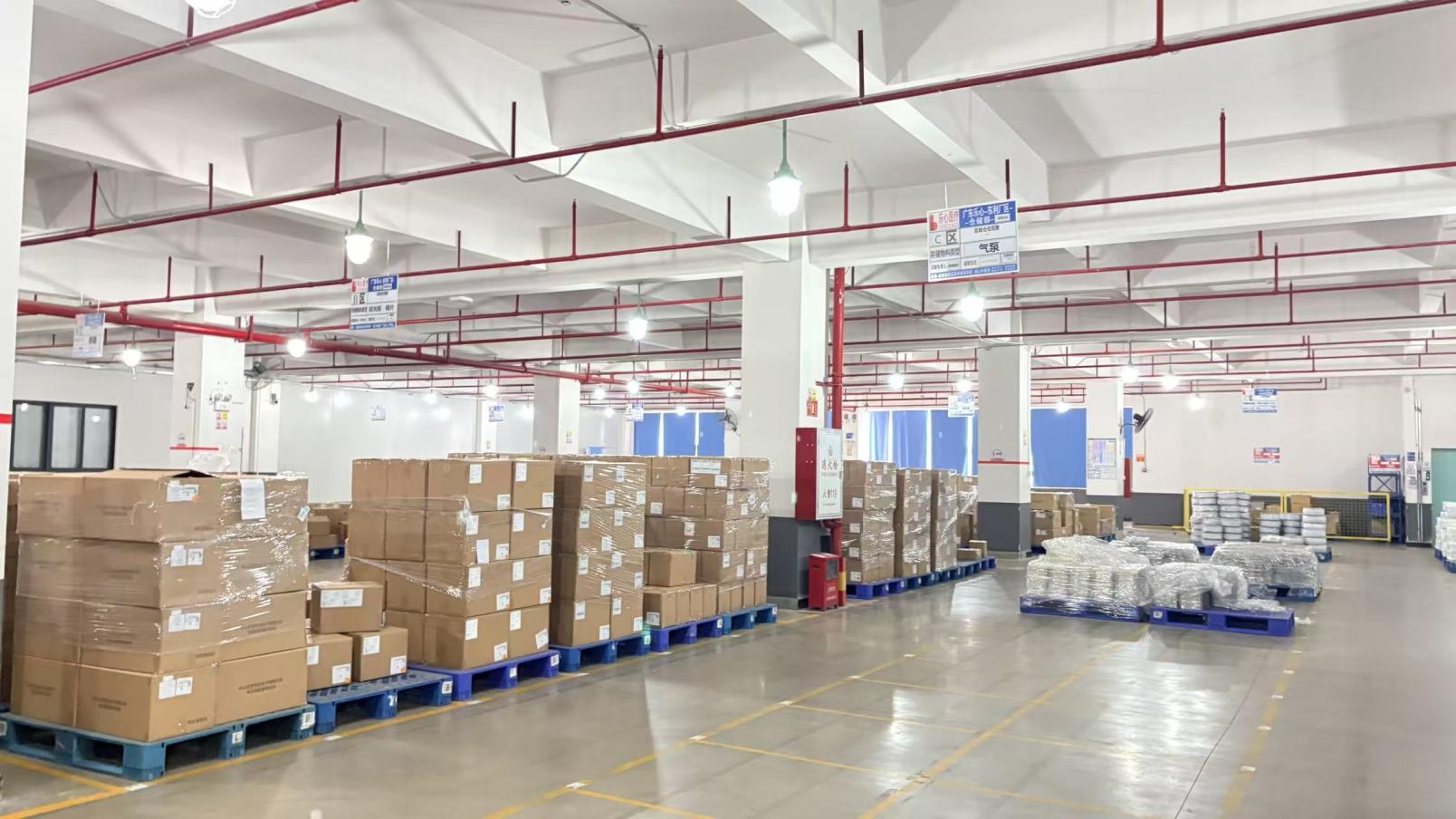
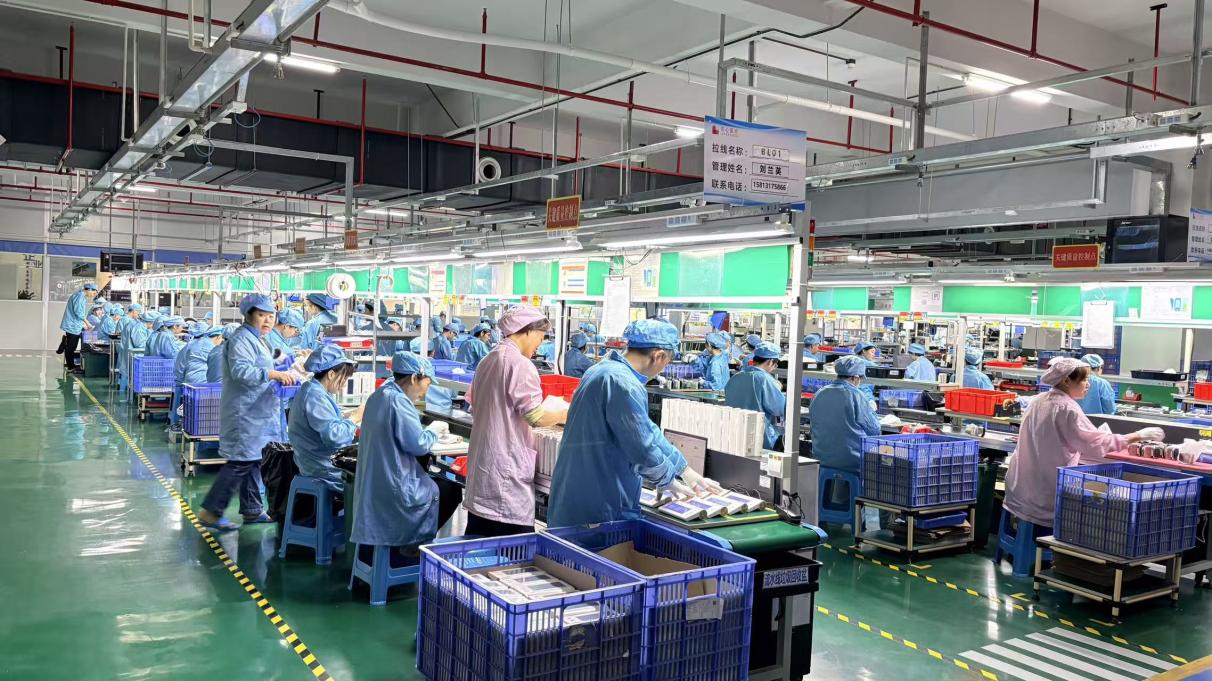
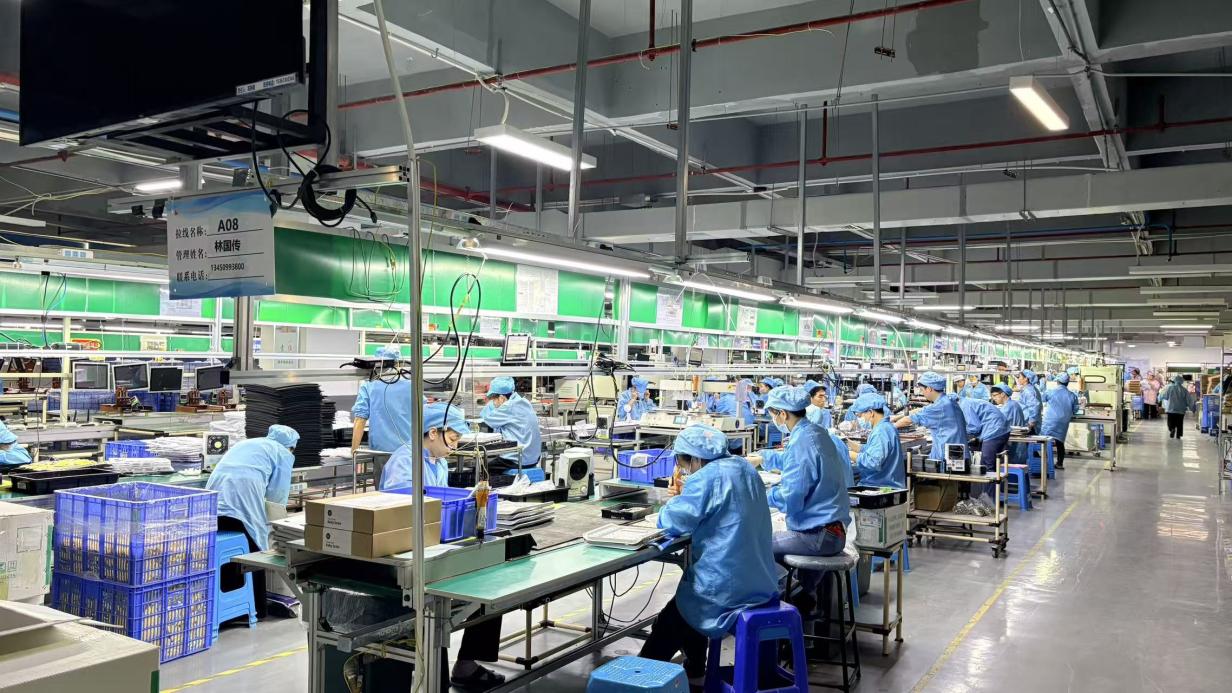
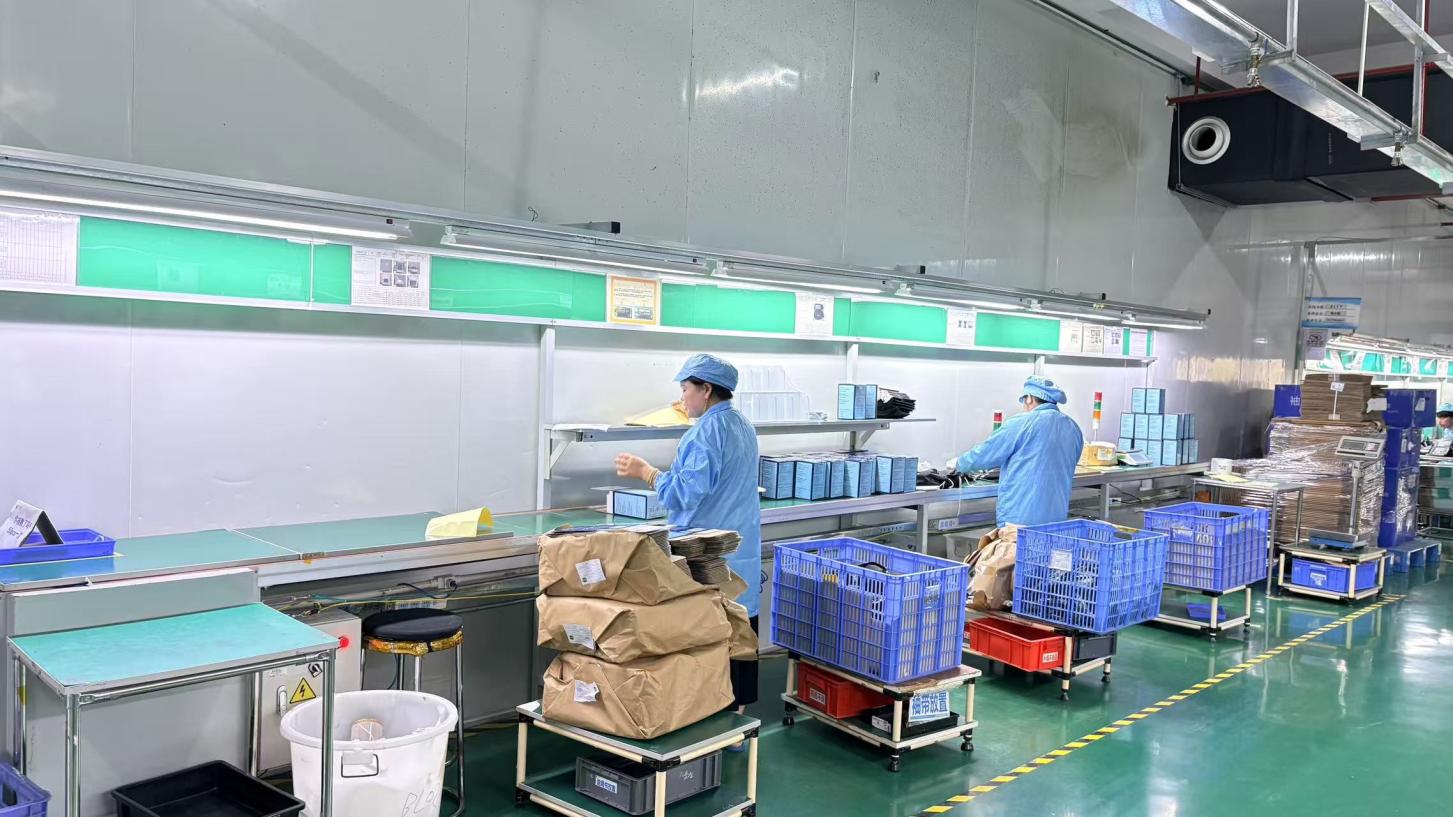
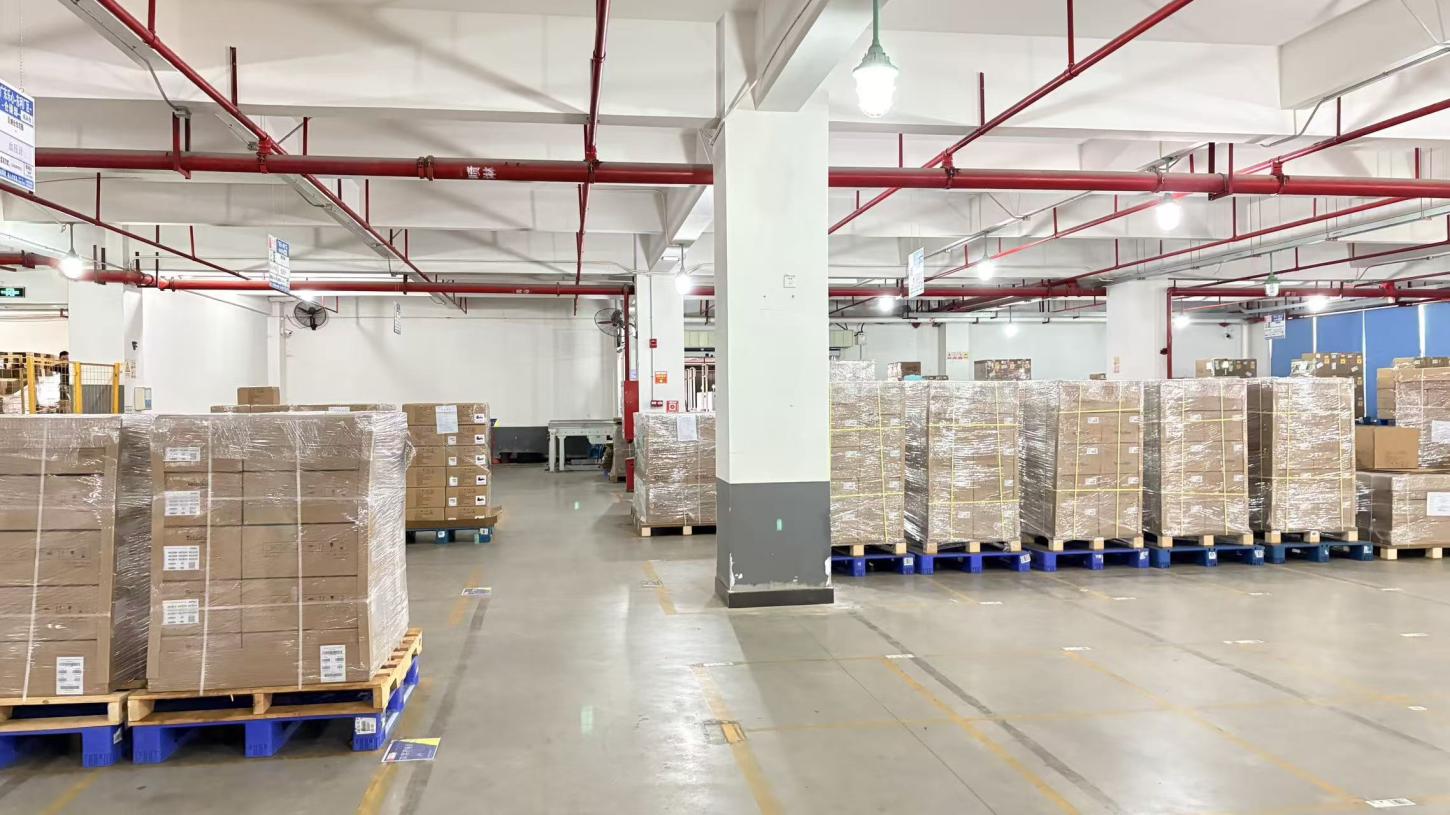
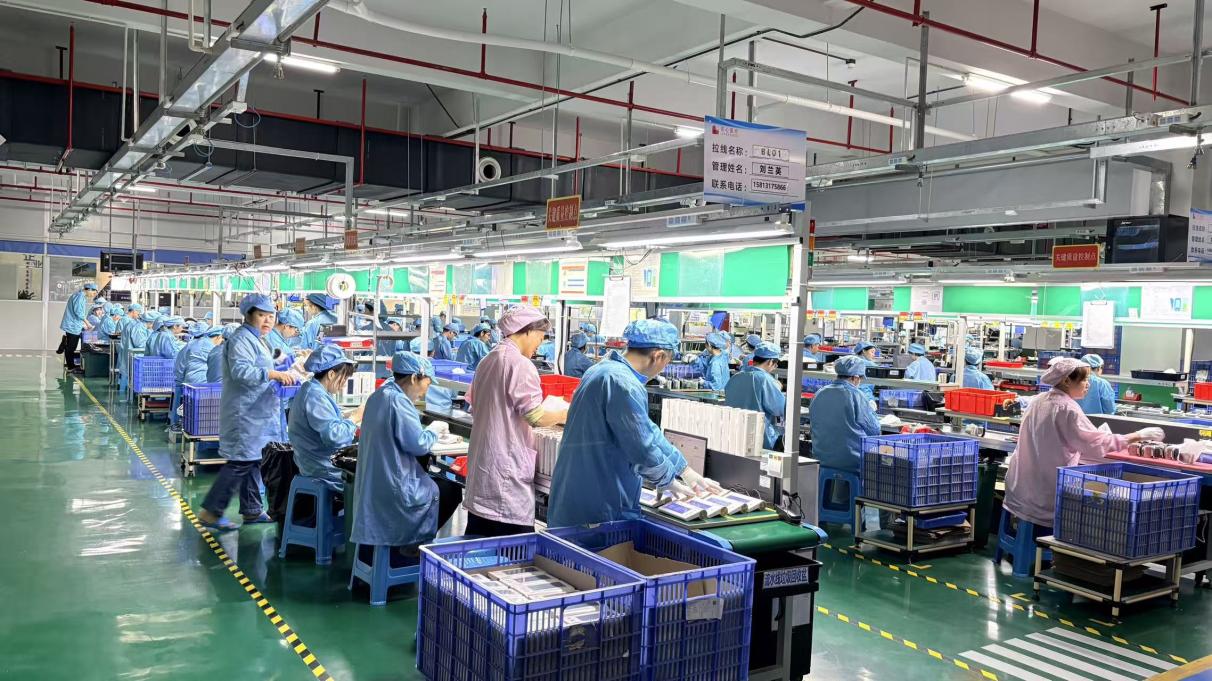
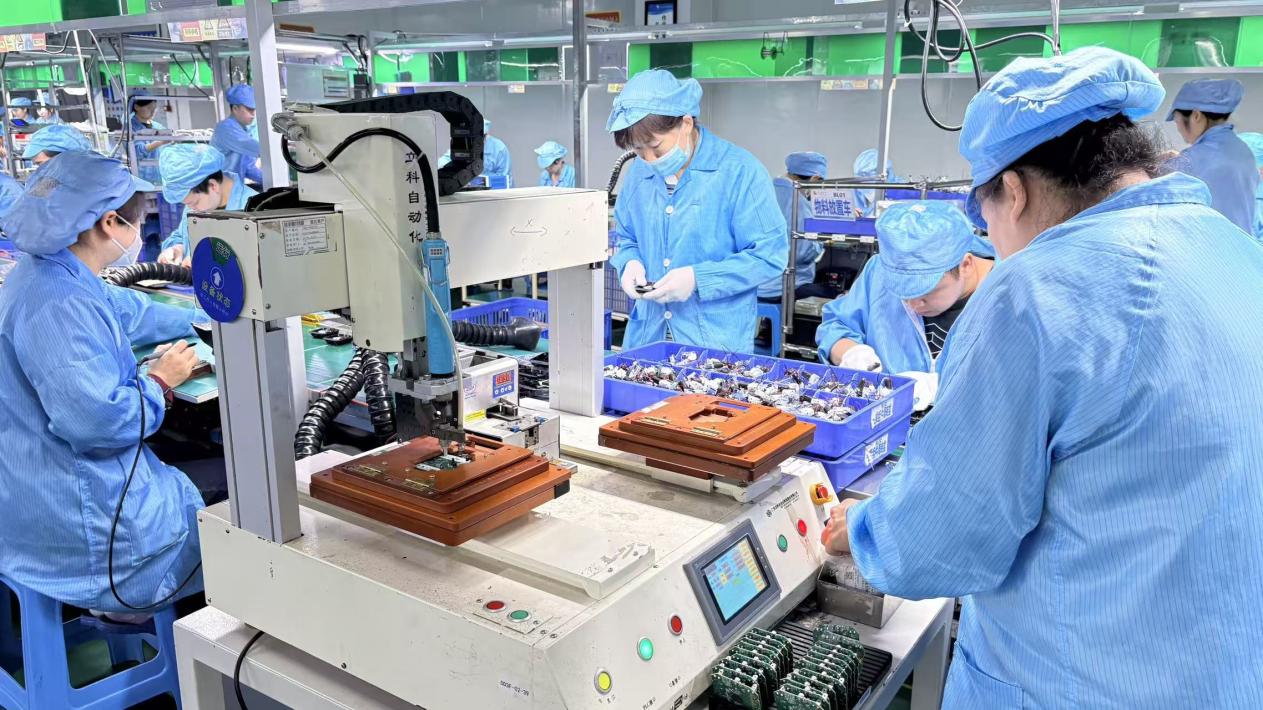
Our company operates a modern 20,000 sq ft manufacturing facility equipped with advanced production and testing systems. Certified under ISO 13485 quality management standards, all of our products comply with international medical regulations, with key products receiving FDA 510(k) clearance and CE certification.
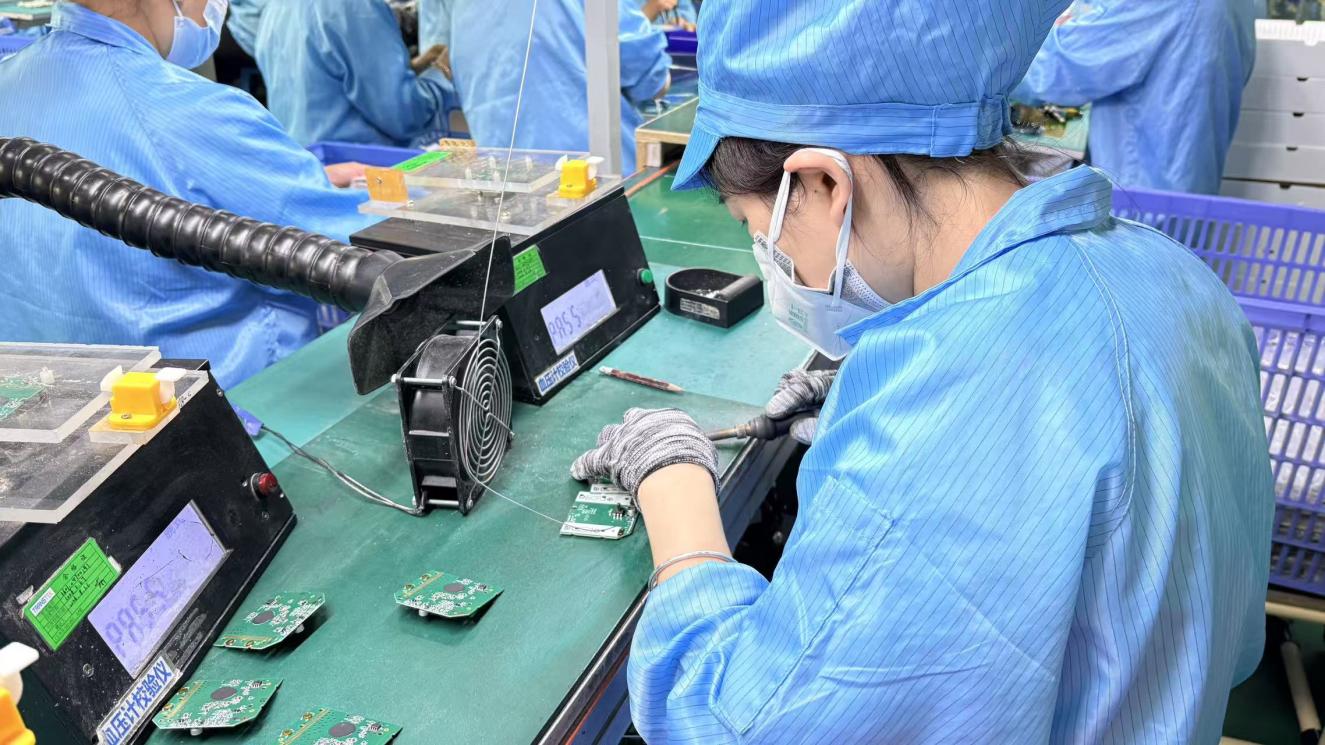
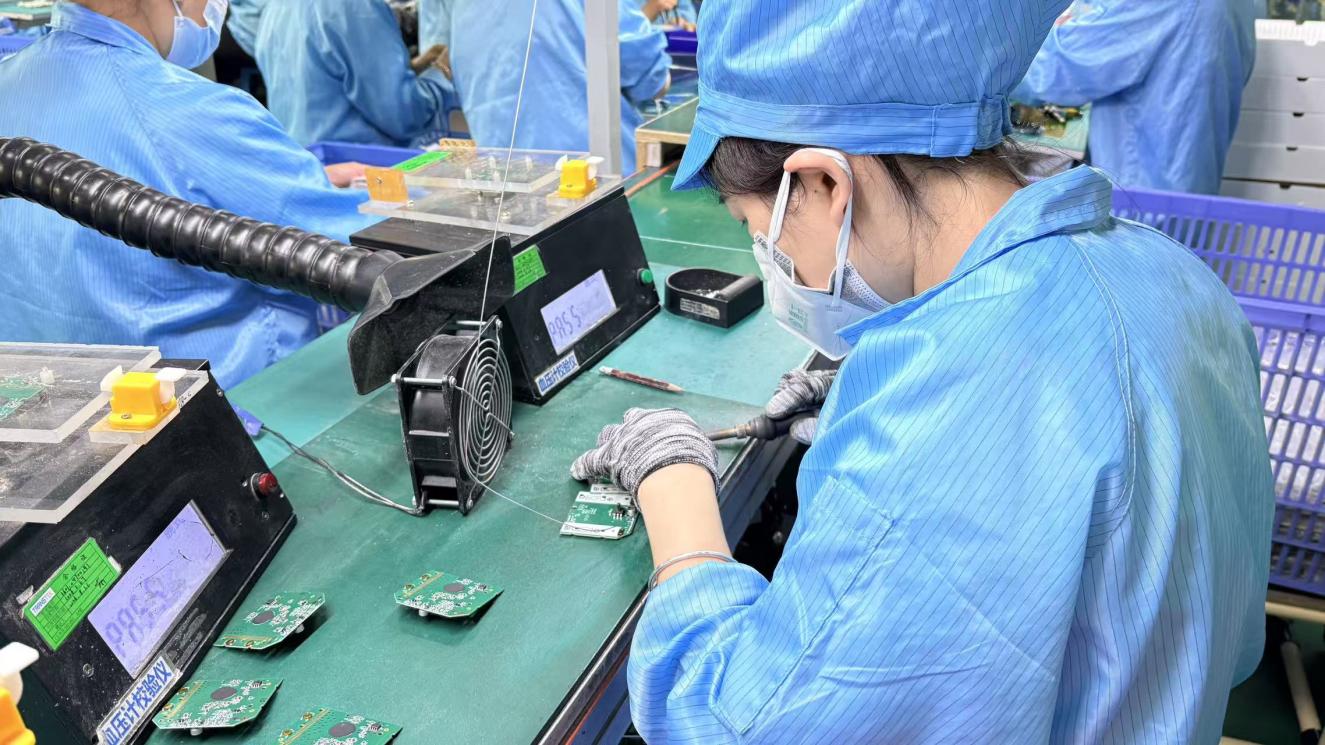
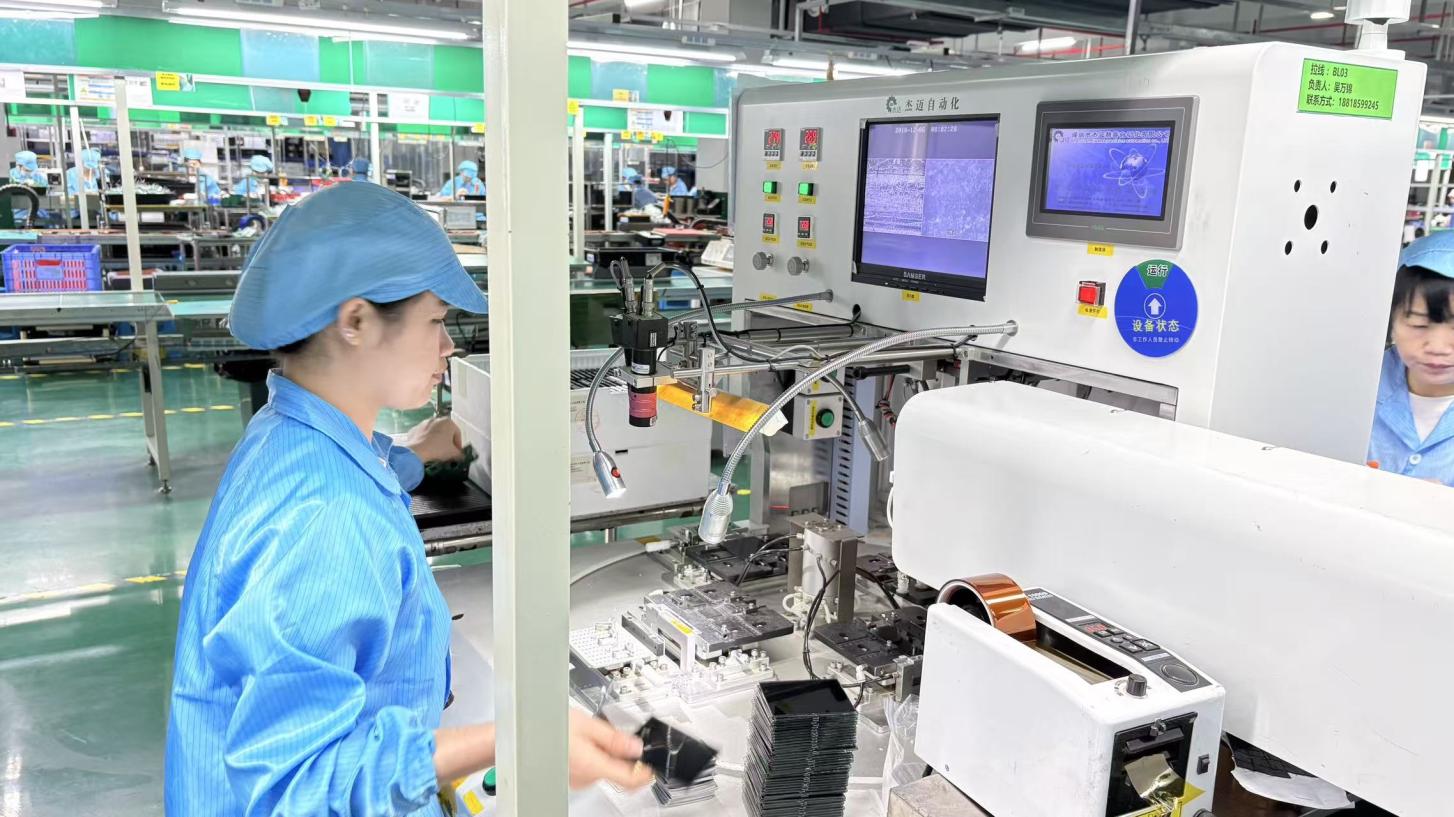
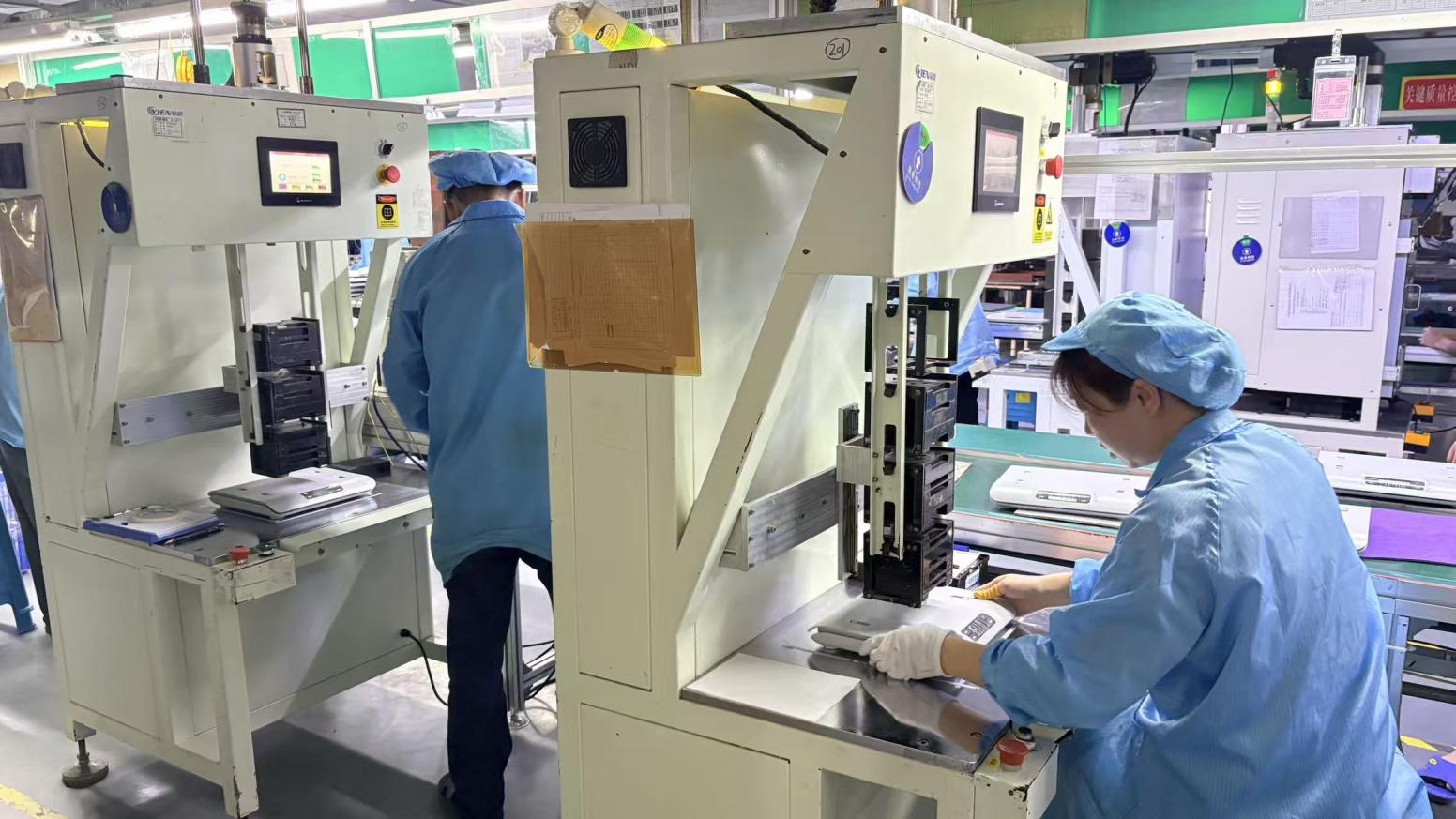
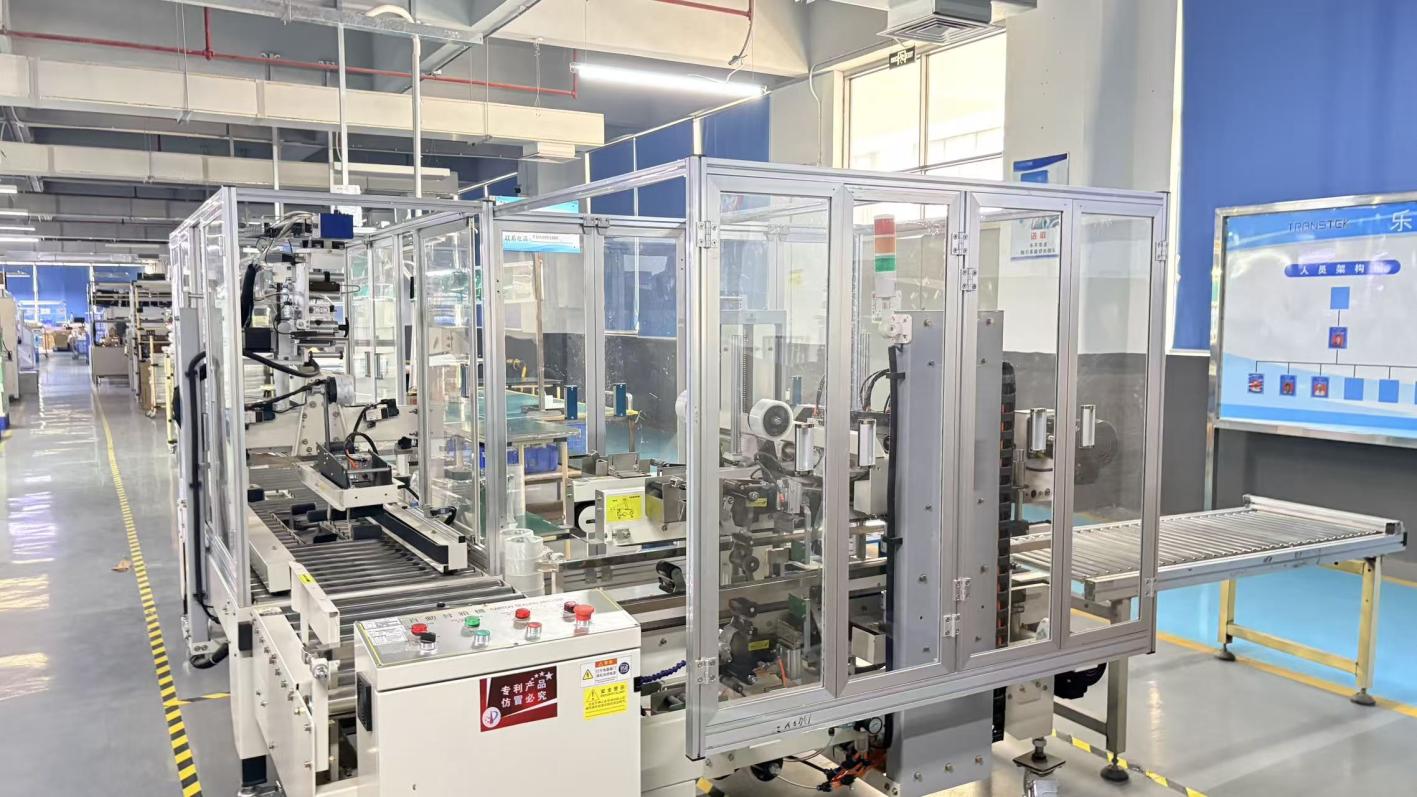
Our production lines integrate automation with rigorous human oversight to ensure every medical device meets the highest safety standards.
Leading exporters in the infant incubator market are shifting from selling standalone equipment to offering Comprehensive NICU Solutions. This holistic approach includes ecosystem design where the incubator, neonatal ventilators, and monitoring systems share a unified data interface.
Leveraging 5G and low-latency networks, specialists in urban hubs can support rural clinics by monitoring incubator data in real-time, effectively bridging the healthcare gap.
Using bio-sensors to detect the infant's stress levels and automatically adjusting the lighting (circadian rhythm simulation) and sound masking to optimize brain growth.
The incubator itself will analyze respiratory patterns and skin color changes to alert staff of potential sepsis or respiratory distress minutes before traditional alarms would trigger.
Entering the international market requires a sophisticated understanding of local regulations. For a factory to be considered "Top 10", it must navigate the following hurdles:
The transition from MDD to MDR (2017/745) has increased clinical evidence requirements significantly. Top exporters invest heavily in clinical trials to ensure compliance.
Obtaining a 510(k) summary requires demonstrating "Substantial Equivalence" to a legally marketed device, focusing on safety and effectiveness.
Registration with ANVISA (Brazil), NMPA (China), and SFDA (Saudi Arabia) requires specialized regulatory teams that can handle localized testing and documentation.
At Shenzhen MaxPro Medical, we uphold the core values of Quality First, Customer Focus, Innovation, Integrity, and Compliance. Our mission is to empower healthcare professionals with dependable medical technologies that improve patient outcomes and enhance healthcare efficiency worldwide.
A high-end incubator must feature dual-sensor temperature monitoring (for both the skin and the air), an independent over-temperature cut-off switch, audible and visual alarms for power failure, and integrated backup batteries for transport or power outages.
High humidity (70-90%) is critical in the first week for very low birth weight (VLBW) infants to prevent transepidermal water loss and maintain electrolyte balance. Advanced factories use steam or ultrasonic humidifiers with anti-microbial reservoirs.
ISO 13485 is the industry-specific standard for quality management. It ensures that every step, from design and risk management to post-market surveillance, is documented and safe for medical use.
While stationary NICU incubators are for long-term care, specialized "Transport Incubators" are designed with vibration-dampening systems, lightweight chassis, and long-lasting batteries for ambulance and helicopter use.