MaxPro Medical MaxPro Medical

How to Understand Low Pulse Oximeter Readings When Feeling Fine?

Time:2026-05-29 Author:Charlotte
0%

Low pulse oximeter readings can be puzzling, especially when you feel perfectly fine. Many people ask, "why is my pulse oximeter reading low but I feel fine?" Understanding this phenomenon requires delving into the mechanics of the device itself. Pulse oximeters measure the oxygen saturation in your blood, giving a quick glimpse into your respiratory health. However, they are not infallible.

Several factors can contribute to inaccurate readings. Nail polish, ambient light, or poor circulation can distort the results. It's crucial to examine these elements before jumping to conclusions about your health. For instance, did you check your device's placement? A misalignment can lead to surprisingly low readings.

Moreover, some individuals may adapt to lower oxygen levels without noticing symptoms. This is especially true for those with chronic respiratory conditions. Discrepancies between how you feel and what the device indicates warrant reflection. Consider consulting a healthcare professional if your concerns persist. The interplay between technology and our bodies is complex, and understanding it fully requires an open mind and a willingness to explore further.
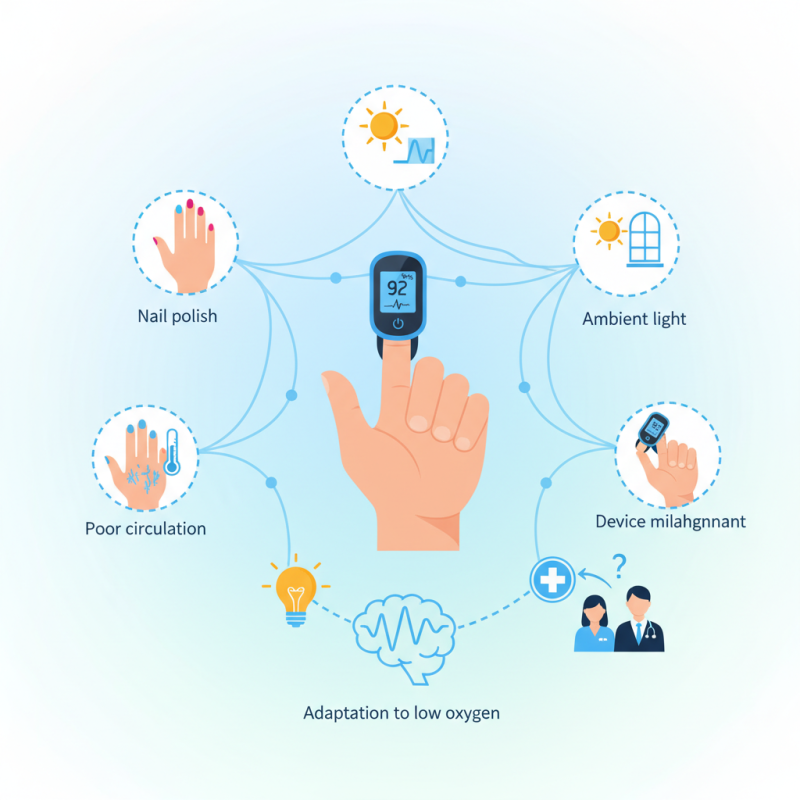
How to Understand Low Pulse Oximeter Readings When Feeling Fine?

Understanding the Basics of Pulse Oximeter Functionality

Pulse oximeters, used to measure blood oxygen levels, can yield low readings even when a person feels perfectly well. Understanding how these devices work is crucial. They employ light sensors to gauge the oxygen saturation of hemoglobin in the blood. Normal readings range from 95% to 100%. However, it’s important to note that several factors can affect these numbers.

For instance, poor circulation can skew results. Research shows that low temperatures or peripheral vascular diseases can lead to unreliable readings. Additionally, skin pigmentation and nail polish might impact the sensors. These nuances highlight the need for a critical perspective on pulse oximeter data. The inaccuracies could mislead individuals into unwarranted anxiety or, conversely, an unfounded sense of security.

A 2021 study indicated that 30% of patients with low readings were not symptomatic. This reveals a significant gap in our understanding of pulse oximetry. Practitioners must emphasize the importance of context when interpreting data. Onboard with this knowledge, individuals can better navigate their health, recognizing that relying solely on pulse oximeter readings may not portray the full picture.

Factors That Influence Low Pulse Oximeter Readings

Low pulse oximeter readings can be puzzling, especially when one feels perfectly fine. Several factors influence these readings. For instance, poor circulation may lead to inaccurate results. Cold hands or feet can also cause lower readings. Skin pigmentation and nail polish sometimes interfere, too.

Tips: Warm your hands before taking a reading. This may improve circulation. Remove any nail polish to ensure a clear reading.

Another factor is altitude. At higher elevations, oxygen levels drop, affecting pulse oximeter accuracy. It's crucial to consider recent activities; exercise can also impact readings. Anxiety can play a role as well. Hyperventilating may lead to misleading results, even if you feel centered.

Tips: Stay calm and breathe slowly. This practice can help stabilize your readings.

Always speak with a healthcare professional about any concerns you have regarding your pulse oximeter results. They can provide guidance that is reliable and tailored to your specific situation.

Common Medical Conditions Associated with Low Readings

Understanding low pulse oximeter readings can be perplexing, especially when you feel fine. Many individuals may experience readings below the normal range of 95-100%, yet exhibit no symptoms. Several medical conditions can contribute to this discrepancy. Chronic obstructive pulmonary disease (COPD) is one of the most common issues. Patients often have low readings but may feel stable. This can lead to confusion about their respiratory health.

Another condition to consider is sleep apnea. People might have normal sensations during the day but can experience drops in oxygen levels at night. This can result in transient low pulse oximeter readings. Heart disease is also a significant factor. Even in stable patients, fluctuations can occur. They may not notice changes but should remain aware of their readings.

High altitude can affect oxygen saturation levels as well. Even healthy individuals can register lower levels when climbing to elevations. It’s vital to understand these conditions and monitor readings carefully. Reflecting on this can prompt individuals to seek advice from healthcare providers, ensuring they maintain good health despite varying readings.

Interpreting Low Pulse Oximeter Readings While Feeling Healthy

Pulse oximeters are common tools for monitoring blood oxygen levels. Many people assume that low readings indicate serious health issues. However, this isn't always the case. Some might feel perfectly fine, but their device shows concerning numbers. This situation can be confusing and alarming.

There are various reasons for low pulse oximeter readings. Factors like skin thickness, nail polish, or poor circulation might affect results. For instance, cold fingers can lead to inaccurate readings. Even movement can interfere. One must consider these variables before jumping to conclusions about their health.

It’s essential to reflect on individual circumstances. Has your oximeter been calibrated correctly? Are you using it correctly? Engaging with a healthcare professional might be wise if concerns persist. This interaction can bring clarity and peace of mind, ensuring that knowledge and actions align properly. Staying informed is crucial in navigating these confusing situations.

When to Seek Medical Advice for Low Pulse Oximeter Readings

Low pulse oximeter readings can be alarming, especially if you feel fine. It's essential to approach this situation with a cautious mindset. Even if you perceive no symptoms, a blood oxygen level below 90% may indicate an underlying issue. Pay attention to how you feel, but do not dismiss the numbers. Sometimes, low readings occur due to external factors like poor circulation or lack of proper device placement.

When should you seek medical advice? If your readings consistently fall below 90%, it's time to consult a healthcare professional. Additionally, watch for symptoms like shortness of breath, confusion, or a rapid heart rate. These could signal a serious condition that requires immediate attention.

Regular monitoring of your pulse oximeter can be beneficial, but relying solely on how you feel might not be wise. Always err on the side of caution and prioritize your health.

FAQS

: What does a low pulse oximeter reading mean?

: It indicates a low blood oxygen level, typically below 95%.

Can I feel fine with low readings?

Yes, individuals may feel stable despite low oxygen levels.

What conditions can cause low readings?

Conditions like COPD, sleep apnea, and heart disease can contribute.

When should I seek medical advice?

Seek help if readings consistently fall below 90%.

What symptoms should I watch for?

Look for shortness of breath, confusion, or rapid heart rate.

Can altitude affect my readings?

Yes, higher elevations can lower oxygen saturation levels in healthy individuals.

What if my readings are low due to poor circulation?

Ensure proper device placement; external factors can influence readings.

Is it wise to rely solely on how I feel?

No, prioritize monitoring your readings to avoid missing health issues.

Should I regularly check my pulse oximeter?

Yes, regular monitoring can help maintain a clear view of your health.

Why is it important to understand these readings?

Understanding helps in recognizing when to seek medical advice for health.

Conclusion

Understanding low pulse oximeter readings can be perplexing, especially when you feel fine. The functionality of pulse oximeters is based on their ability to measure blood oxygen saturation, but various factors, such as poor circulation, skin pigmentation, and external light interference, can lead to inaccurate low readings. Additionally, certain medical conditions, like respiratory illnesses or anemia, can also play a role.

If you find yourself questioning, "why is my pulse oximeter reading low but I feel fine," it's important to recognize that feeling well does not always correlate with optimal oxygen levels. Low readings can sometimes occur for benign reasons, but interpreting these readings correctly is vital. If low readings persist or you experience other symptoms, seeking medical advice is essential to rule out any underlying health issues.

Charlotte

Charlotte

Charlotte is a seasoned marketing professional with a deep understanding of the company's portfolio and a passion for elevating its presence in the market. With a keen eye for detail and a commitment to excellence, she ensures that our professional blog is regularly updated with insightful articles......