MaxPro Medical
Maintaining accurate blood pressure readings at home is crucial for managing health. According to a report by the American Heart Association, about 46% of adults have hypertension. This prevalence makes home monitoring essential. Many individuals purchase monitors for convenience, but how to calibrate a home blood pressure monitor effectively is often overlooked.
Calibration ensures that your device provides reliable readings. A small discrepancy can lead to misdiagnosis or incorrect treatment. For example, a 2020 study showed that 30% of home blood pressure monitors were not calibrated correctly. Inaccurate readings can cause unnecessary anxiety or over-treatment. Therefore, understanding the calibration process is vital for ensuring effective health management.
For those unsure about their device's accuracy, periodic checks with a healthcare professional are recommended. This practice can help you grasp how to calibrate a home blood pressure monitor. It's essential to take ownership of your health by ensuring your equipment is functioning properly.
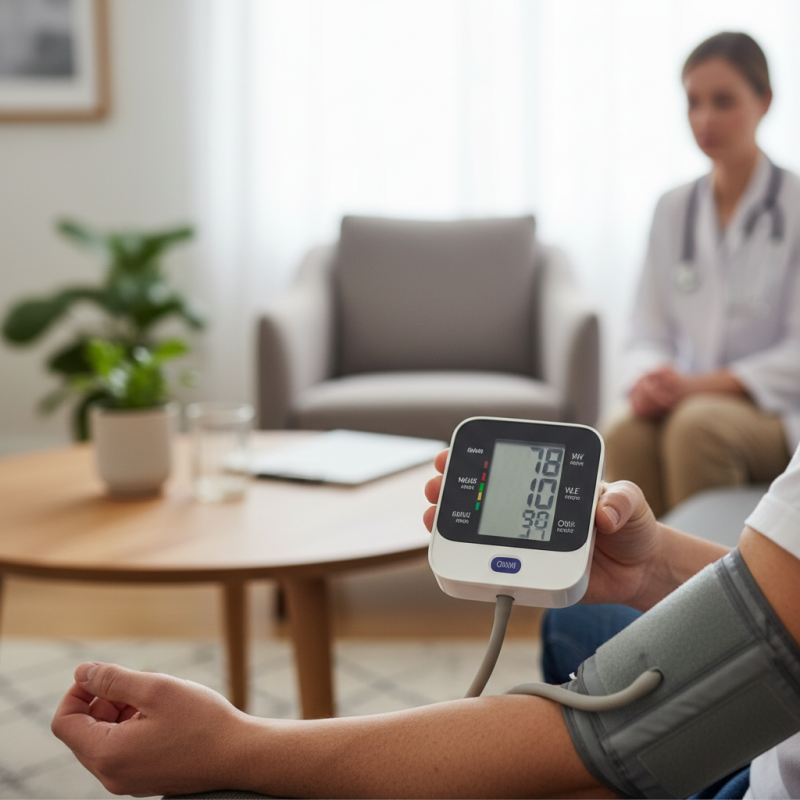
Calibrating your blood pressure monitor is crucial for accurate readings. An uncalibrated device can give false results. This can lead to unnecessary worry or delayed treatment. Regular checks ensure your monitor stays in sync with professional standards.
Understanding how to calibrate is essential. You can use a reliable reference device for comparison. If your readings differ significantly, recalibration may be needed. Consider repeating this process every six months. Calibration may seem tedious, but it ensures your health monitoring is precise.
Many forget to calibrate their devices, which can skew health data. It’s easy to fall into a routine where we trust our monitors too much. Reflecting on this can help improve your self-care practices. Investing time in calibration can lead to better health outcomes. Small steps matter in managing blood pressure effectively.
Calibrating your home blood pressure monitor is crucial for obtaining accurate readings. Before starting the calibration process, you need to gather the necessary tools. A digital multi-meter is a must-have for precision. This device can help you check the voltage output of the monitor. Additionally, a reliable mercury sphygmomanometer can serve as a reference for cross-validation. Research indicates that inaccurate monitors can lead to misdiagnosis, affecting patient care. In fact, a report by the American Heart Association noted that around 30% of home monitors produce readings that can be significantly off.
Next, a set of instructions specific to your device is essential. These manuals often include calibration procedures and recommended intervals for calibration checks. Moreover, a quiet, comfortable environment is important. Stress affects blood pressure readings and can skew results. Studies have shown that inaccurate calibrations can lead to an overestimation of hypertension in patients. Reflecting on your calibration process also matters. How often do you check the accuracy? Overlooking regular calibration can result in persistent inaccuracies. This trend can go unnoticed until a doctor evaluates the readings, leading to unnecessary anxiety.
It's also essential to keep your tools in good condition. Regular maintenance prolongs their lifespan and ensures reliable results. Calibration should be routine, not a one-off task. Remember, data from the Journal of Clinical Hypertension highlights that poor monitoring leads to treatment failures in one-third of cases. This statistic emphasizes the importance of using properly calibrated devices. Recognizing the limitations of your equipment is critical. Regular checks will help mitigate risks associated with inaccurate blood pressure readings.
Calibrating your home blood pressure monitor is essential for accurate readings. Start by checking the manual for specific calibration instructions. Gather the necessary tools, like an accurate reference device. This may be a doctor’s office monitor or a calibrator tool. Understanding how yours operates can lead to better accuracy.
Next, find a quiet space to take your measurements. Make sure you're seated comfortably. It's important for your heart rate to stabilize for at least five minutes. Take several readings and note them down. Compare these with the reference device. Look for consistent discrepancies. If your home monitor is off by more than a few points, it may need adjustment or replacement.
Remember that it’s not always perfect. Variability can occur due to user error or equipment age. Regularly check your calibration at different intervals. This will ensure your monitor remains reliable. Trust is crucial when it comes to health devices. Keeping a log of your measurements can help identify trends and inconsistencies over time.
Calibrating your home blood pressure monitor is crucial for ensuring accurate readings. After adjusting your device, testing its calibration accuracy is the next essential step. Use a reliable reference device, such as one from a healthcare professional, to compare readings. This helps to identify any discrepancies in your home monitor’s performance.
Perform the comparison in a quiet environment. Sit comfortably for five minutes before taking readings. This represents a real-life scenario. Note the difference between your device's reading and the reference monitor’s. If your monitor consistently deviates, further adjustment may be necessary. Regular checks help maintain accuracy and build trust in your home monitoring system.
Awareness of potential errors is vital. Factors like incorrect cuff size or improper positioning can affect results. A discrepancy of just a few points can be significant. It’s essential to reflect on why these differences occur and how to correct them. Regularly validating your monitor’s calibration ensures it remains a reliable tool for managing your health.
| Calibration Method | Test Device | Measurement Before Adjustment (mmHg) | Adjustment (mmHg) | Measurement After Adjustment (mmHg) | Final Accuracy Check (mmHg) |
|---|---|---|---|---|---|
| Standard Calibration | Digital BP Monitor | 130/85 | -3 | 127/82 | 126/81 |
| Advanced Calibration | Automatic Cuff BP Monitor | 125/80 | +2 | 127/82 | 128/83 |
| Manual Calibration | Analog Sphygmomanometer | 140/90 | -5 | 135/85 | 134/84 |
| Digital Calibration with Reference | Smart BP Monitor | 135/88 | 0 | 135/88 | 135/88 |
Maintaining your blood pressure monitor is crucial for accurate readings. Research indicates that improper maintenance can lead to a 10-15% increase in inaccuracies. Regular calibration helps ensure your device remains reliable over time. Experts recommend calibrating at least once a year, or more frequently if your readings seem inconsistent.
Tips: Always store your monitor in a cool, dry place. Avoid exposing it to extreme temperatures or humidity. These factors can affect its performance. Check the cuff for any signs of wear or damage regularly. A damaged cuff can produce erroneous readings.
Cleaning the monitor is essential too. Use a soft, damp cloth to wipe the device, avoiding harsh chemicals. Some monitors have batteries that should be replaced periodically, as low battery can cause malfunction. If essential tested readings are off, don't hesitate to consult a healthcare professional for guidance. Regular checks and awareness can save you from unexpected health risks.
: Calibrating ensures accurate readings, preventing unnecessary worry or delayed treatment.
It's advisable to calibrate every six months for better health monitoring.
A digital multi-meter and a reliable mercury sphygmomanometer are essential for accurate calibration.
A quiet, comfortable area is vital, as stress can alter blood pressure readings.
Inaccurate readings can lead to misdiagnosis and unwarranted anxiety about hypertension.
Trusting uncalibrated devices can be risky; accuracy is essential for effective health management.
It may result in persistent inaccuracies, causing treatment failures in a third of cases.
Consider recalibrating your device and cross-checking with a reference gauge.
Yes, refer to the user manual for calibration procedures and intervals.
Routines can lead to trust in the monitor, but reflection is crucial for accurate health tracking.
Understanding how to calibrate a home blood pressure monitor is crucial for ensuring accurate readings, which can significantly impact your health management. Calibration involves gathering the necessary tools and carefully following specific steps to adjust the monitor according to a reliable standard. This process should include testing the calibration accuracy after adjustments to confirm that the device produces correct measurements.
To maintain long-term accuracy, it's important to regularly check and recalibrate your blood pressure monitor as needed. Regular maintenance, such as clean storage and battery checks, will help preserve its functionality and reliability. By following these guidelines, you can effectively manage your blood pressure at home and ensure your monitor provides trustworthy data.
